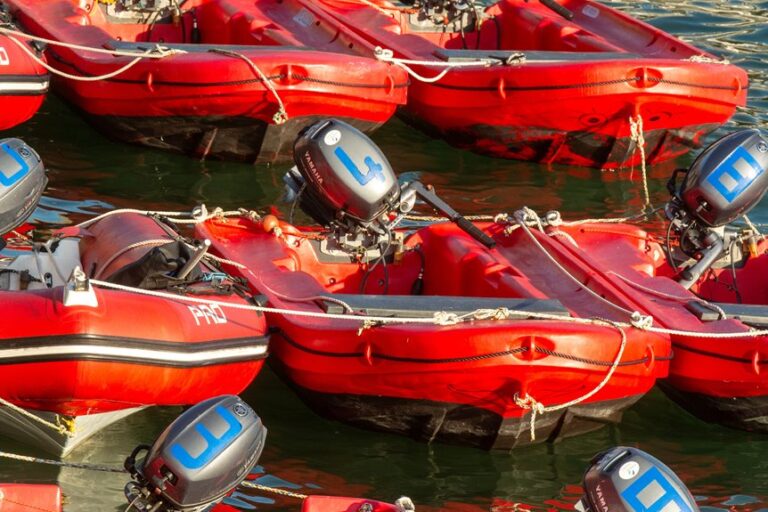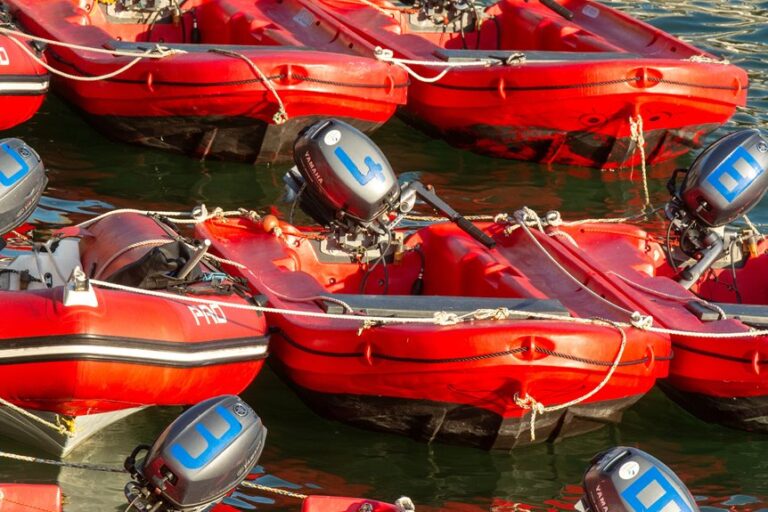


Boats sink when water fills spaces meant to stay dry, reducing buoyancy until the hull goes under. Common causes include hull breaches from collisions, worn seals and fittings that let water creep in, and overloading beyond the vessel’s capacity. Severe weather and large waves can force water onboard faster than pumps can remove it. Pump failure or clogged drainage systems accelerates flooding. Routine maintenance and proper loading greatly reduce sinking risk.
What Causes Boats to Sink
Even a well-built boat can sink should several things go wrong at once. You help prevent that through watching weight, weather, and your crew’s choices.
Whenever ballast management is off, your boat can sit unevenly and lose stability fast. You also need to watch for broken parts, poor loading, and weak maintenance, because small problems can grow into serious trouble on the water.
Rough seas can push a boat beyond its limits, and an overloaded deck can make recovery harder. Provided you keep checking safety gear and trim, you give yourself a better chance of staying afloat.
Good marine insurance can ease the financial stress, but it won’t replace careful habits. As you stay alert, you protect your boat and your peace of mind.
How Boats Take on Water
A boat often starts taking on water long before it looks dangerous, and that can make the whole situation feel sneaky and unfair.
You might notice a soft slosh underfoot, a damp smell, or water collecting where it shouldn’t.
Small leaks can slip in through a loose fitting, a cracked hose, a worn seal, or an open scupper.
Then the water moves into the bilge, where it can build faster than you expect.
That’s why bilge pumping matters so much. It helps you stay ahead of trouble while you keep watch.
At the same time, crew response counts too. Whenever you and your crew spot the leak prematurely, assign simple jobs, and stay calm, you give your boat a better chance to stay afloat together.
How Overloading Sinks Boats
Too much weight can turn a boat’s balance against it fast, and that’s why overloading is such a common cause of sinking.
Whenever you pack in too many people, coolers, gear, or fuel, you push past the boat’s excess capacity. Then the hull sits lower, and water can reach spots that should stay dry. You also create a stability compromise, so the boat feels wobbly and harder to control. Even small moves from passengers can shift the load and make the problem worse.
To stay with your crew and keep everyone safer, you should check the weight limit before you leave shore, spread gear evenly, and leave extra space for movement. A boat needs room to float well, not just room to fit everyone.
Rough Weather and Sinking
As storms build, the water can turn from helpful to dangerous in a hurry. You might feel the boat rise, drop, and shudder as waves stack up, and that can shake your confidence fast. Storm surge can push water into places that usually stay calm, while wind shear can twist the boat and make steering feel off.
| Weather sign | What you might notice |
|---|---|
| Dark clouds | The sky closes in |
| Strong gusts | The boat yaws more |
| Bigger swells | Your balance shifts |
| Rain bands | Visibility drops |
| Storm surge | Water climbs suddenly |
You’re not alone whenever this happens, and staying alert helps you respond sooner. Close hatches, slow down, and keep your crew calm. Small moves matter whenever the sea turns rough.
Collision Damage That Tears the Hull
When your boat hits another object, the impact can split the hull and let water rush in fast.
Sharp debris, rocks, or concealed metal can also puncture the sides and make the damage worse.
In a harder crash, the force can weaken the structure itself, so even a small strike might turn into a serious leak.
Hull Breach From Impact
A sudden удар on the water can do more than shake the crew, because a hard collision can crack, split, or rip open a boat’s hull in an instant.
Whenever collision dynamics strike the wrong angle, your boat might lose its protection fast. You rely on impact absorption to spread the force, but in case the hull can’t flex or the structure is already weak, the breach can grow.
Then water rushes in, and your boat starts to settle lower. You and your crew could feel panic, yet calm action helps. Check the damaged area, reduce speed, and call for help right away.
Every minute matters, because even a small hull opening can turn a safe ride into a sinking risk.
Punctures From Sharp Objects
Sharp metal, broken dock hardware, or floating debris can tear a hull before you even see the danger. You keep your boat safer whenever you watch for bait hooks caught in nets, lines, or deck gear, since they can scrape and puncture soft spots.
After that, check for barnacle growth too, because rough patches can hide sharp edges that cut into fiberglass or thin metal. Should you hit a submerged object, stop and inspect the area right away.
Even a small hole can let water in fast, and that feels stressful whenever you’re trying to stay calm with your crew. So, move slowly, use a flashlight, and report damage promptly. Quick attention helps you protect your boat and keep everyone aboard feeling secure.
Structural Failure After Collision
Even a small scrape with a dock, another boat, or a concealed piling can do more than leave a mark, because the удар can weaken the hull and set up a larger failure later. You mightn’t see the trouble right away, but obscured cracks can spread once waves push the boat hard.
Should the hull bends or splits, water can rush in fast and overwhelm your pumps. That’s why you should treat every collision like a serious warning, not just a rough day on the water.
During a collision investigation, look for soft spots, bent seams, and fresh leaks, then protect watertight integrity straightaway. Whenever you act quickly, you give your crew a safer ride and help your boat stay strong, steady, and ready for the next trip.
Mechanical Failures That Flood Boats
Mechanical trouble can turn a calm day on the water into a fast-moving emergency, because a failed pump, broken hose, or cracked fitting can let water rush in before you notice. Whenever you check the engine bay, you help your crew stay ahead of trouble. A weak bilge pump, a tranny leak, or shaft misalignment can all push water where it doesn’t belong. You’ll feel better appreciating the signs soon.
| Problem | What it can do |
|---|---|
| Weak bilge pump | Lets water stay below deck |
| Tranny leak | Adds oily water fast |
| Shaft misalignment | Wears parts and opens paths |
| Loose hose | Sends water into the hull |
| Faulty seal | Lets spray build up |
Leaks, Cracks, and Poor Maintenance
Tiny cracks and slow leaks can turn into a big problem before you know it, so it pays to check your boat with care. You belong on the water, and your boat should feel ready with you.
Look at seams, fittings, and hull joints, then renew seam sealant whenever it starts to dry, split, or pull away. Water sneaks in through worn spots, loose hardware, and old repairs.
A steady bilge inspection helps you catch trouble at an early stage, because even a small puddle deserves attention. Wash down damp areas, tighten what moves, and fix damaged gelcoat before it grows.
If you stay on top of upkeep, you protect your crew, your plans, and the trust you’ve built in your boat.
Warning Signs a Boat Is in Trouble
Once leaks and loose fittings start showing up, the next job is to spot the warning signs before the situation gets worse.
You’ll often notice your boat riding lower, even when you haven’t loaded extra gear. Listen for pumps running too often, because that can mean water is getting in faster than it should. Check for a low battery, since draining power can signal a concealed problem or a pump working overtime. Watch the engine panel too. Should you see erratic gauges, treat that as a red flag, not a weird quirk. You belong on a boat that feels steady and safe, so trust your eyes, ears, and instincts. Whenever something seems off, slow down, check the bilge, and act promptly.
Frequently Asked Questions
How Do Life Jackets Affect Survival After a Boat Sinks?
You’ll stay afloat longer with a lifejacket, giving you breathing room whenever the chips are down. A good lifejacket fit and buoyancy aids help you conserve energy, stay visible, and increase rescue chances together.
Can a Boat Sink While Docked in Calm Water?
Yes, a boat can sink while docked in calm water if poor maintenance or concealed leaks are ignored. You would likely spot trouble promptly, remain connected with your boating crew, and protect everyone’s peace of mind.
Do Inflatable Boats Sink More Easily Than Rigid Boats?
Not necessarily. You will see inflatable boats float well, but an air bladder puncture or seam failure can make them fail faster than rigid boats. You can still belong on the water with smart checks.
How Long Does It Take a Sinking Boat to Go Under?
It can sink in minutes or hours, depending on how quickly compartments flood. You’ll stay safer by acting fast, staying calm, and helping everyone aboard reach life jackets, radio, and rescue together.
Can Sinking Boats Be Salvaged After Being Submerged?
Yes, you can salvage some, but it is like rescuing a storm battered ember. You will join marine archaeology efforts, weigh damage, and act for pollution mitigation, because you belong to the crew fighting loss after submersion.