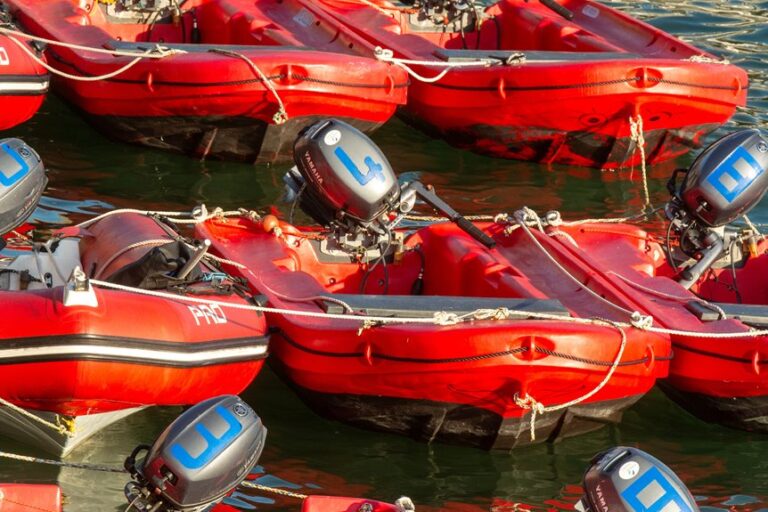


A capsized boat requires calm action and quick correct steps to stay safe. Breathe, secure a life jacket, and stay with the boat if it still floats. Check the condition and location of everyone aboard, then use the hull and available gear to stay visible and conserve energy. Signal for help using whistles, mirrors, or a USB-powered light. Prioritize warmth, shelter, and clear communication while awaiting rescue.
What to Do Immediately After a Boat Capsizes
The initial moments after a boat capsizes can feel shocking, but quick, calm action can make a big difference. To start, take one fast breath and check yourself and others. Should you be able, move away from the boat and look for everyone in your group. Keep your face out of the cold water and stay as still as you can while you reflect.
Next, call out so your crew can hear you and answer back. Should you don a life jacket, trust it and let it help you float. Use your mental prep to stay focused, not panicked.
Then scan for danger like rocks, moving boats, or strong current. Were you able to reach a floating item, hold it. Your steady actions help you stay connected and ready for what comes next.
Stay With the Boat if It Floats
Provided that the boat is still afloat, stay close to it and use it as your safest anchor in the water. You’ll feel less exposed whenever you keep one hand on the hull and let it guide your position.
Initially, assess buoyancy so you know whether the boat can still support weight. Next, stay calm and avoid towing the boat unless help is right there, because dragging it can tire you fast.
Then, use these quick steps:
- Hold onto a stable edge.
- Keep your body near the boat.
- Signal for help without letting go.
If the boat drifts, swim only as needed to stay beside it. You belong to the group that’s still together, and that shared contact can steady your nerves whilst you wait for rescue.
Account for Everyone on Board
Count everyone on board as soon as you can so you know who made it out safely.
Then check carefully for anyone who might be missing, even though the scene feels chaotic.
Finally, look around nearby water and debris for survivors who could be close at hand and still need your help.
Count All People
Stay calm and check every person right away, because in a capsize, a fast headcount can make a huge difference. You’re helping your crew stay together, and that sense of togetherness can steady everyone. Use the passenger briefing and muster drill to guide your count, since they show who should be on board and where they usually gather.
- Call each name clearly and wait for a reply.
- Look at every seat, deck, and nearby float area.
- Match the people you see with the list you know.
In the event someone answers, keep your focus on the count. Should a child or guest looks frightened, speak kindly and point to the group. Your calm voice helps others feel included, and that can keep panic from spreading.
Check For Missing
Next, make sure no one is missing so you can act fast and keep fear from spreading. Take a calm breath and scan your crew against your pre trip inventory. That list helps you spot who should be there, even although shock makes your mind race.
Call each name clearly, and ask every person to answer back provided they can. Then check your gear checklist for items tied to each person, like a life jacket or whistle, because those clues can show who’s still accounted for.
Should someone not respond, stay focused and keep your group together. Your steady voice can help everyone feel safer, and that sense of belonging matters right now. You’re not alone in this.
Verify Nearby Survivors
Glance around the boat and the water right away, because someone could be nearby and unable to speak up. You need to account for every person fast, so your group stays together and panic drops a little. Call names clearly, then look under gear, around the hull, and in the water. Should you spot someone, point and tell the others.
- Count heads and check again after each wave.
- Use simple communication practices, like short calls and clear hand signals.
- Support float recovery by helping tired swimmers stay close to the boat.
Next, listen for coughing, splashing, or tapping from a submerged spot. Stay calm, keep eye contact whenever you can, and move as one team. In the event everyone feels seen, it helps the whole group breathe easier.
Put on Life Jackets and Keep Them On
Put your life jacket on right away, even though the water feels calm for a moment.
Make sure it fits snugly so it stays in place and keeps you supported.
In case you need to move or wait for help, keep it on the whole time so you’re ready for anything.
Wear Immediately
- Pull the jacket on right away.
- Help the people beside you, because your group belongs together.
- Keep it on until everyone is safe and told otherwise.
A life jacket gives you a better chance to stay afloat, breathe, and wait for help. Stay close to your group, talk clearly, and trust the gear that’s there to protect you.
Secure Snug Fit
Once you have your life jacket on, make sure it fits snugly so it can do its job as soon as the water turns rough. You want it close to your body, not loose or sliding up near your face. Pull the adjust straps until the jacket feels secure, and ask a friend to check it provided you’re unsure. That quick help can make you feel more confident, even in a scary moment.
Next, lift your arms and bend a little to see if it stays in place. Then evaluate buoyancy in calm water before you head out, so you know how it supports you. Whenever you keep your jacket on and fitted right, you stay ready, and your crew feels safer too.
Get Out of Cold Water as Fast as Possible
Should you end up in cold water after a capsize, get moving right away, because every second counts and your body can lose heat fast. Head for your boat, shore, or anything solid that helps you climb out. Your thermal insulation drops once water reaches your clothing, so a rapid exit matters. Assuming you can, help each other in a calm, steady way.
- Reach the nearest safe edge and pull yourself up.
- Kick toward rescue gear or a floating boat part.
- Keep your face out of the water while you move.
You don’t have to do this alone. Stay close to your group, look for the easiest path out, and use whatever support is near you. The sooner you leave the water, the sooner your body can start holding warmth again.
Avoid Panic and Wasting Energy
Once you’re in the water after a capsize, staying calm comes initially because panic burns through your strength fast.
Take slow breaths to steady your body and help your mind focus.
Then move only once you need to, so you can save energy for staying afloat and getting to safety.
Stay Calm First
As the boat rolls and water rushes in, your initial job is to slow your mind so your body can work. Stay calm to begin, because panic burns energy fast and clouds good choices. Your mental preparation starts now: remind yourself that you can handle the next step, even though your knees feel shaky. Use calm breathing to steady your thoughts, then look around for other people and the safest place to stay.
- Tell yourself, “I’m okay enough to act.”
- Focus on one simple task at a time.
- Keep your movements smooth and easy.
When you stay grounded, you help everyone nearby feel less afraid too. That calm moment gives you room to consider, connect, and move with the group instead of against the chaos.
Control Your Breathing
Your breath can keep you steady while the boat turns upside down around you.
Take a slow inhale through your nose, then let it out longer than you brought it in. This simple rhythm helps you use breathing techniques that calm your mind and save energy.
Keep your breathing pace even, almost like you’re counting quiet beats with a friend nearby. Should fear start to rise, return to the same gentle pattern and let your shoulders soften.
You don’t need to gasp or fight the moment. Instead, focus on each steady breath and trust that panic will fade once you give your body air and time.
Calm breathing helps you stay connected to the people around you and ready for what comes next.
Move Only When Needed
Even in the chaos, try to move only with a purpose, because every extra splash can drain your strength fast. You’re not stuck being brave alone here; you’re part of a crew mindset now, and that helps. Keep your body close to the water and minimize movement so you can conserve heat and stay steady.
- Reach for nearby flotation initially, then rest.
- Kick only whenever you must to stay with others.
- Turn slowly and watch for rescue, not waves.
If you feel panic rising, make one small choice at a time. That keeps your mind clear and your energy available. Small, calm actions help you stay with the group, protect warmth, and wait longer without burning out.
Signal for Help Quickly
Get help fast, because every second counts should a boat flip over. You’re part of a team now, so stay calm and make your signal obvious.
Shout for nearby boats, people on shore, or rescuers. Wave both arms high, and use bright clothing or gear to catch attention.
In case you have distress signals, use them right away. Flares, whistles, and flashing lights can help others spot you fast.
In the event your group has emergency radios, send a clear message with your location and any injuries. Speak slowly and loudly. Then keep signaling until someone answers.
Even though you feel scared, your steady effort helps everyone find you sooner. You don’t have to do this alone, and every sound or flash can bring help closer.
Use a Flotation Aid to Rest
A flotation aid can help you catch your breath and save energy while you wait for help.
In case you’re with others, lean on the same device so nobody feels alone. Keep your face clear and your body relaxed. A calm mind helps you stay steady and makes flotation signaling easier.
- Use the nearest life jacket, cushion, or ring.
- Let the aid support your weight and keep breathing slow.
- Share space with your group so you can rest together.
That small bit of buoyant seating can feel like a safe pause in a hard moment.
Should waves push you around, hold the aid close and let it work for you. Your goal is simple: rest, stay visible, and save strength until rescue reaches you.
Climb Onto the Hull or Deck
Provided you can safely reach the hull or deck, get onto it right away, because staying above water helps you save energy and keep calm.
In case the boat is still upside down, stay with the hull so rescuers can spot you and so you don’t drift away.
Should the boat start to roll back, hold on and move carefully, since your goal is to stay steady until help arrives.
Right The Boat
Once the boat is upside down or on its side, move quickly and focus on finding the hull or any part of the deck you can reach.
You can help the group by staying calm and using simple righting techniques with your crew.
Initially, check that everyone is clear, then work together to shift weight toward the keel for keel stabilization.
Next, grab firm edges and lean in the same direction so the boat can roll back.
Should the boat feel heavy, keep your movements steady and speak up so no one feels left out.
Finally, once it starts to turn, keep your body low and hold on tight.
- Look for solid handholds.
- Push and pull together.
- Keep your voice clear.
Stay With The Hull
Keep yourself with the hull and move onto it only provided you can do so safely. The boat gives you the best chance to stay seen, stay calm, and stay together.
Should you be able to climb onto the hull or deck, do it slowly and keep your weight low so you don’t slip back into the water. Use the hull buoyancy to help you rest while you wait for help.
Were others with you, gather close and share space without crowding. That little cluster can lift spirits when the water feels cold and endless.
You can also use simple anchoring techniques, like holding on to a fixed line or gear, to keep from drifting away. Stay near the boat, keep your head up, and watch for rescuers.
Check for Injuries and Shock
Start checking everyone for injuries and signs of shock, because shock can show up fast after a capsize and it can make a bad situation worse. You’ve got to stay calm, look closely, and help each person feel seen.
- Initially, assess bleeding and pressure wounds. Use clean cloth or hands to slow the flow while you keep talking to the person.
- Next, check for pain, broken limbs, or trouble moving. Ask simple questions so you can monitor consciousness and notice confusion, dazed responses, or silence.
- Then, keep the group together and speak in a steady voice. Your calm helps everyone feel less alone, and that matters right now.
If someone seems faint, pale, or shaky, tell the others to support that person and stay nearby.
Prevent Hypothermia
Cold water can drain body heat fast, so you need to act right away and help everyone stay as warm as possible. Pull on any dry layers you have, then squeeze out wet clothes in case you can’t change.
Share body heat by huddling close, and use your life jacket as thermal insulation by keeping it snug. In the event you have a tarp, blanket, or seat cushion, wrap it around the person who feels coldest.
Keep your head out of the water, because that’s where heat slips away quickly. For strong hypothermia prevention, avoid swimming unless you must reach safer support.
Instead, stay together, cut wind exposure, and keep talking so no one feels alone. Small actions matter here, and they can help your whole crew hold on to warmth.
Wait Safely for Rescue
Once you’ve done the urgent steps, your next job is to wait in a way that helps rescuers find you fast and keeps everyone safer. Stay close to your group and speak calmly so nobody feels alone. Use signal techniques that match your rescue protocols: wave a bright paddle, whistle, or cloth whenever you see or hear help. Keep your body low in the water or on the boat, because sudden movement wastes energy and can separate you.
- Face open water so you can spot boats promptly.
- Share one clear person to watch for rescuers.
- Follow the same signals together, then rest.
If you’re on a capsized boat, hold on as long as you can and stay where rescuers can see you. Calm teamwork helps you and your crew feel stronger until help arrives.
What to Do After You’re Rescued
After the rescue team pulls you to safety, your initial job is to keep breathing, keep still, and let your body settle.
Take a slow breath, then tell the crew about pain, numbness, or trouble pondering clearly. Ask for a medical evaluation right away, even although you feel mostly fine, because shock can hide real injuries.
Should you’re cold, wet, or shaking, accept dry clothes, blankets, and warm drinks should the team offers them.
Next, share names, contact details, and a simple account of what happened. That helps with legal procedures and any report you might need later.
Stay close to your group provided you can; it’s easier to feel grounded when someone you trust is nearby. You’ve already been through a lot, so let others help while you recover.
How to Prevent a Boat Capsize Next Time
Now that you’re safe, the best way to protect yourself and everyone else is to plan ahead before the next trip. You can lower capsize risk by checking your boat, your load, and your weather plan prior to leaving the dock.
- Keep up with proper maintenance so leaks, loose gear, and engine trouble don’t surprise you.
- Watch weight distribution and spread people, coolers, and gear evenly so the boat rides steady.
- Learn the local forecast, and should the water look rough, stay close to shore or wait.
Also, wear life jackets, speak up ought something feels off, and make sure everyone knows where to sit and how to move.
Whenever you all work as a team, you build trust, stay calmer, and give your group a safer trip every time.
Frequently Asked Questions
What if Someone Is Trapped Underwater Inside the Capsized Boat?
If someone is trapped underwater, search for an air pocket, stay calm, and use a breathing technique to preserve oxygen. You are not alone. Signal rescuers, keep listening, and wait for help together.
How Do I Communicate With Rescuers at Night?
You’ll stand out best at night by flashing a signal mirror or waving a chemical lightstick. Rescue crews look for glowing people. If you have a radio, keep calling, and shout when you hear engines.
Should I Try to Recover Floating Gear Before Rescue Arrives?
No. Do not chase floating gear unless you can safely check buoyancy and assess risk beforehand. Stay with your group, prioritize rescue, and avoid exhausting yourself; your crew needs you together and calm.
What if the Boat Capsizes Far From Shore?
If your boat capsizes far from shore, stay with the boat, climb onto life rafts if available, and use signaling flares. You will conserve energy, remain visible, and help rescuers find you faster.
Can I Use My Phone if It Gets Wet During Capsizing?
No — if your phone’s wet, don’t count on it. Keep it in waterproof cases and conserve emergency power; can you really risk a dead phone while your crew needs you and every second counts?