
Eat a familiar, carbohydrate-rich meal 1 to 3 hours before a hike to top off glycogen stores. Add a bit of protein to slow digestion and keep energy steady. Choose easy-to-digest options like oatmeal, toast with nut butter, or a banana and yogurt. During the hike, snack regularly on compact carbs and simple proteins to maintain blood sugar. These straightforward choices help stamina and comfort on the trail.
What to Eat Before a Hike?
Fueling well before a hike can make the whole day feel easier, steadier, and a lot more enjoyable.
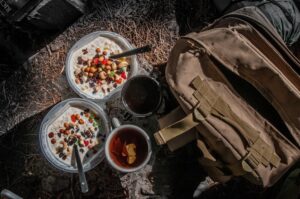
You want a meal that feels familiar and kind to your stomach, like oatmeal, toast with nut butter, yogurt with fruit, or eggs with rice.
Aim for foods that give you lasting energy, not a sugar rush that disappears fast.
Should you like trail town cuisine, choose simple dishes with grains, lean protein, and a little fat.
You can also enjoy seasonal foraging treats, such as berries or tender greens, provided you know they’re safe.
Drink water, too, so you start out comfortable.
Keep your meal calm, balanced, and sufficiently early enough that you can step onto the trail feeling light, ready, and part of the excursion.
How Much Should You Eat Before Hiking?
How much you eat before a hike depends on how many calories you’ll burn and how long you’ll be on the trail.
Should you be heading out for a short walk, a light meal might be enough, but a longer or tougher hike will call for more fuel.
You’ll also want to time that meal well so you feel energized, not stuffed, prior to when you start.
Pre-Hike Calorie Needs
Before you hit the trail, your body needs enough energy to keep you steady, alert, and comfortable, so the amount you eat matters more than you might suppose.
Aim for a meal that feels satisfying, not stuffed, because pre-hike calorie needs change with distance, pace, and your own metabolic variability. Should you be heading out for a short, easy walk, a lighter meal can work well. For longer or steeper hikes, you’ll want more calories to support glycogen optimization and keep your legs from fading too soon.
Consider it as giving your trail buddy inside you a fair shot to show up strong. You don’t need perfection. You just need enough fuel to feel calm, capable, and ready for the climb.
Timing Your Pre-Hike Meal
Timing matters just as much as what you put on your plate, because your body needs a little runway to turn food into trail-ready energy.
Should you eat a bigger meal, aim for two to three hours before you start. That gives you time to digest so you feel steady, not stuffed.
For shorter notice, choose a small snack 30 to 60 minutes before you head out. Regard this as part of your pre hike rituals, like tying your boots or checking the forecast.
Good snack timing helps you stay comfortable on the climb and keeps your energy from fading too soon. You want enough fuel to feel strong, but not so much that your stomach joins the hike and complains louder than you do.
Best Pre-Hike Carbs for Steady Energy
For steady trail energy, choose carbs that digest easily and keep your blood sugar from spiking and crashing. You want fuel that feels calm in your body and steady on the trail.
- Oatmeal gives you complex carbs that release energy slowly, so you can start your hike feeling ready, not heavy.
- Bananas bring quick, gentle fuel and fit easily in your pack.
- Ancient grains like quinoa or farro help you build a balanced base when you eat a few hours before you go.
Pair these foods with water, and you’ll give your legs a smooth start. Should you be hiking with friends, this kind of meal helps everyone keep pace and enjoy the climb together, without that annoying mid-trail slump.
Add Protein to Stay Full Longer
Protein helps that steady carb fuel last longer, so you don’t feel hungry again just as the trail starts getting good. You fit right in whenever you pack a little extra protein with your snack, because it keeps you satisfied and calm on the climb. Try lean snacks like turkey roll-ups, Greek yogurt, or cheese sticks before you hit the path.
| Protein pick | Easy hiking win |
|---|---|
| Egg muffins | Quick to grab |
| Turkey slices | Simple and light |
| Yogurt cup | Smooth and filling |
| Cottage cheese | Handy at home |
Whenever you pair carbs with protein, your body gets a more balanced snack, and you stay comfortable between rests. That means fewer grumbly moments and more time enjoying the views with your crew.
Smart Fats for Longer Hikes
Healthy fats can give your hike a slower, steadier kind of energy, so you stay strong as the miles start to stack up. You can build that fuel into your pack without feeling heavy or sluggish.
- Choose omega sources like walnuts, chia, and salmon packets.
- Pair avocado or nut butter with whole-grain bread for lasting fuel.
- Try simple cooking tips, like roasting nuts or mixing olive oil into grain bowls.
These foods help you feel fed between trail stops, and they fit right into a shared outdoor routine with friends or family. Keep portions modest, since a little fat goes a long way on the trail. Whenever you plan ahead, you’ll join the hike feeling ready, comfortable, and part of the group from the outset onward.
Foods to Avoid Before Hiking
Before you head out, skip greasy foods, because they can sit heavy and make your stomach feel off on the trail.
Try not to load up on high-fiber meals right before hiking, since they might send you searching for a bathroom whenever you’d rather enjoy the view.
Sugary snacks can seem like a quick fix, but they often lead to a fast crash, and that can leave you feeling drained sooner.
Greasy Foods
Greasy foods can feel tempting, especially whenever you want a big, filling meal, but they often work against you on the trail. You might hear greasy misconceptions that say rich food gives lasting energy, yet greasy digestion can slow you down and leave you feeling heavy. Whenever you’re hiking with your group, you want to feel light, steady, and ready to keep up.
- Skip fried meals before you start.
- Pass on heavy burgers and thick sauces.
- Choose simpler food that settles well.
That way, your stomach stays calmer, and you can enjoy the miles beside people who get what trail life feels like. A lighter meal helps you move comfortably, breathe easier, and stay focused on the view instead of discomfort.
High-Fiber Meals
Fiber-rich foods can be great in everyday life, but they can be rough on your stomach right before a hike. You could love a big bean bowl or a loaded salad, but your trail body perhaps will not. While you’re close to heading out, keep fiber timing in mind and give your gut a break. Too much bran, lentils, or raw veggies can leave you feeling bloated, distracted, and ready to find the nearest restroom instead of the next view.
Should you want to build plant diversity into your meals, do it earlier in the week, not right before the trail. On hike morning, choose simpler foods that sit easier and help you start strong, comfortable, and ready to enjoy the climb with your crew.
Sugary Snacks
Sugary snacks can seem like an easy burst of energy, but they often backfire while you’re hiking. You might grab fruit leather or honey sticks, but too much sugar can spike your energy, then drop it fast, leaving you shaky and tired on the trail.
That can make it harder to keep pace with your crew and enjoy the views.
- Skip candy bars before you start.
- Watch portions of fruit leather.
- Use honey sticks only with steadier foods.
Instead, pair a small sweet bite with nuts, oats, or jerky so your body gets lasting fuel.
Whenever you choose smarter snacks, you help your legs, mood, and confidence stay strong together. That way, you can hike with the group and feel good doing it.
When to Eat Before Your Hike
The best time to eat before a hike depends on how long you’ll be on the trail and how your stomach handles food, but in most cases, you’ll feel better provided you give yourself 1 to 3 hours before you start walking.
That window gives your body time to settle and helps you avoid a heavy, sloshy feeling on the initial climb.
Should you hike at dawn, keep your pre hike rituals simple so you can leave calm, not rushed.
For longer routes or altitude snacking plans, eat a bit sooner so you can move with steady energy.
You know your body best, so trust the timing that keeps you comfortable, confident, and ready to join the trail crew without starting off cranky or distracted.
What to Eat During a Hike?
Once you’re on the trail, your food should keep your energy steady without burdening you down. You want simple fuel that feels friendly to your body and keeps you moving with the group.
Start with small bites every 60 to 90 minutes, so your legs don’t start complaining louder than the birds.
- Choose carbs like a banana or a tortilla wrap for quick energy.
- Use electrolyte gummies whenever you sweat a lot, because they help replace minerals.
- Save endurance gels for long climbs or fast sections whenever you need a quick uplift.
Drink water with each snack, and listen to your hunger before it turns into a crash.
Whenever you eat before you feel drained, you stay stronger, calmer, and more ready to enjoy the trail with everyone else.
Quick Snacks That Travel Well
Carry a few snacks that can handle heat, bumps, and long hours in your pack, because trail food should stay useful even though your day gets messy. You’ll feel better whenever you reach for foods that don’t crush easily and still taste good after miles.
| Snack | Why it works | Pack note |
|---|---|---|
| Trail jerky | Protein keeps you steady | Choose low-mess strips |
| Electrolyte chews | Fast energy in small bites | Keep them in a side pocket |
| Dried fruit | Sweet and easy to eat | Mix with nuts once you like |
| Nut bars | Fills you up quickly | Wrap stays tidy |
| Pretzels | Crunchy and simple | Great for sharing |
Whenever your group pauses, these snacks help you stay part of the pace without slowing anyone down.
Hydration Tips for Hike Fuel
Staying hydrated on a hike matters just as much as packing enough food, because even a mild fluid drop can make your energy fade fast. You’ll feel steadier whenever you sip before you get thirsty and keep a bottle within easy reach. That way, you stay part of the trail crew, not the one dragging behind.
- Start early: drink water before you hit the path, so your body begins with a full tank.
- Watch electrolyte timing: use it whenever you sweat more or hike longer, so you replace what you lose.
- Try flavored alternatives: a light taste can help you drink more without forcing it down.
If plain water feels boring, that’s normal. Small, regular sips work best, and they keep your legs and mood on your side.
What to Eat on Short Day Hikes?
On a short day hike, you can keep things simple with quick energy snacks like trail mix, fruit, or granola bars that won’t weigh you down.
You’ll also want light hydration choices, such as water or an electrolyte drink, so you stay comfortable without carrying extra bulk.
Easy packable foods make the whole hike feel smoother, since you can eat fast and get back to enjoying the trail.
Quick Energy Snacks
For a short day hike, quick energy snacks can keep you moving without making your pack feel heavy or your stomach feel slow. You’ll fit right in whenever you choose foods that are easy to grab and easy to trust.
- Bite sized fruits like grapes or apple pieces give you quick carbs and a fresh taste.
- Trail mix with nuts, seeds, and a little dried fruit helps you stay steady between views.
- Portable electrolytes, in a small powder packet or chew, can support your body whenever the trail feels warm or long.
Keep each snack simple, sealed, and ready in your pocket. That way, you can eat fast, share easily, and keep your rhythm without missing the fun around you.
Light Hydration Choices
A small amount of water, milk, or a diluted sports drink can make a short hike feel much easier, especially as the sun is hot or the trail climbs more than you expected.
| Drink | Best Use | Why It Helps |
|---|---|---|
| Water | Cool weather | Keeps you steady |
| Milk | Easy mornings | Adds gentle fuel |
| Flavored seltzer | Warm breaks | Feels light and bright |
You don’t need much, just enough to stay comfortable and joined up with the group. In case you sweat more, choose electrolyte alternatives like diluted juice or a light sports mix. Sip often, not all at once, so your body keeps pace without drama. A cold flavored seltzer can also feel rejuvenating when plain water seems dull. Keep your bottle handy, and let your thirst guide you before you feel worn out.
Easy Packable Foods
Some of the best hike snacks are the ones you can grab with one hand and eat without fuss. On short day hikes, you want foods that travel well, keep your energy steady, and won’t turn your pack into a mess. Try these easy picks:
- Ready made jerky gives you salty protein that lasts.
- Nut butter packets slip into any pocket and pair well with crackers or fruit.
- Trail mix brings quick carbs, healthy fats, and a little crunch.
After that, add a banana, granola bar, or cheese stick provided your hike stays cool.
These choices help you feel part of the trail crowd because everyone loves snacks that work hard and taste good. Keep portions small, so you can eat fast, stay moving, and enjoy the view without a food fight in your backpack.
What to Eat on Long Hikes?
As your hike stretches past a few hours, your body needs more than a quick snack to keep going strong. On long hikes, eat steady, carb-rich foods with a little protein and fat so you stay full and focused. Consider calorie cycling by eating more on harder days and less while the trail is easy. That helps you match fuel to effort without feeling stuffed.
Smart meal timing also matters, so start eating before you get overly hungry, then refuel every 60 to 90 minutes. You’ll protect your energy, mood, and pace. Choose foods you already trust, and sip water with them. Whenever you and your trail crew keep fueling well, the miles feel less punishing and a lot more doable.
Easy Trail Food Ideas for Hiking
Once you know your long hike needs steady fuel, easy trail food can make the whole day feel smoother and a lot less tiring.
You’re not packing for a feast, so choose foods that travel well, taste good, and lift your mood whenever your legs start to complain. Try these simple options:
- Trail mix variations with nuts, dried fruit, and a few chocolate pieces for quick energy.
- Whole-grain wraps with peanut butter or cheese, which stay filling without much fuss.
- Savory jerky for a salty protein uplift that feels like a reward on hard climbs.
Next, add a few extras like crackers, fruit leather, or pretzels.
Whenever you build a small stash of foods you actually enjoy, you’ll feel more prepared, and your hiking crew will appreciate the shared snack spirit too.
Frequently Asked Questions
Can I Hike on an Empty Stomach?
Yes, you can hike on an empty stomach, but fasted hiking might bring metabolic effects like low energy or dizziness. You will be fine as long as you listen to your body, start easy, and bring snacks.
Should I Eat Differently at High Altitude?
Yes, you should. At altitude, you’ll crave more carbs, more fluids, and lighter meals. Prioritize acclimatization snacks and smart electrolyte timing so you feel strong, steady, and supported with your crew.
Is Caffeine Helpful Before a Hike?
Yes, caffeine can help before a hike provided you know your caffeine tolerance. Time it 30 to 60 minutes ahead, and you will feel more alert, steady, and ready to join the trail crew.
How Do I Fuel for Hiking With Kids?
You’ll do best when packing easy snacks and portable meals kids already love, such as fruit, nuts, cheese, wraps, and crackers. Offer small bites often, keep water handy, and make eating feel like part of the journey.
What Foods Help Prevent Stomach Cramps While Hiking?
You’ll avoid stomach cramps with bland, easy foods: bananas, oats, rice, and crackers. Add electrolyte rich snacks and anti inflammatory options like nuts, ginger, and yogurt, so you feel supported and strong together.