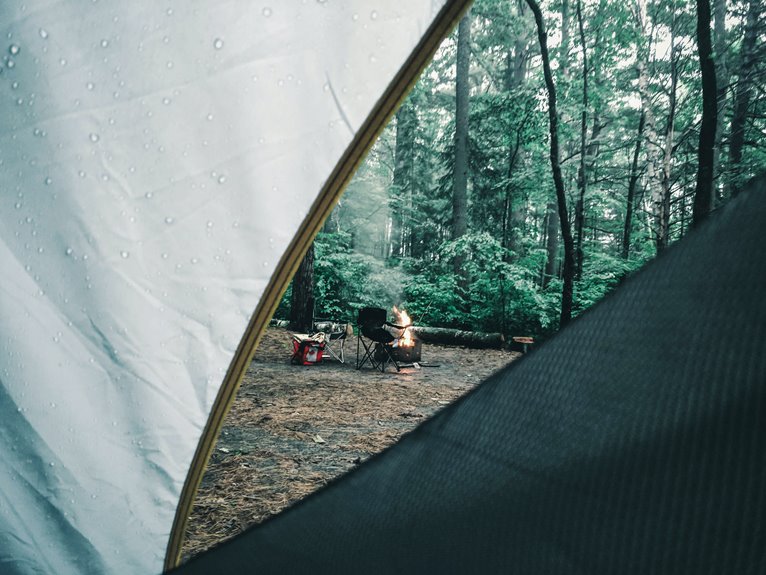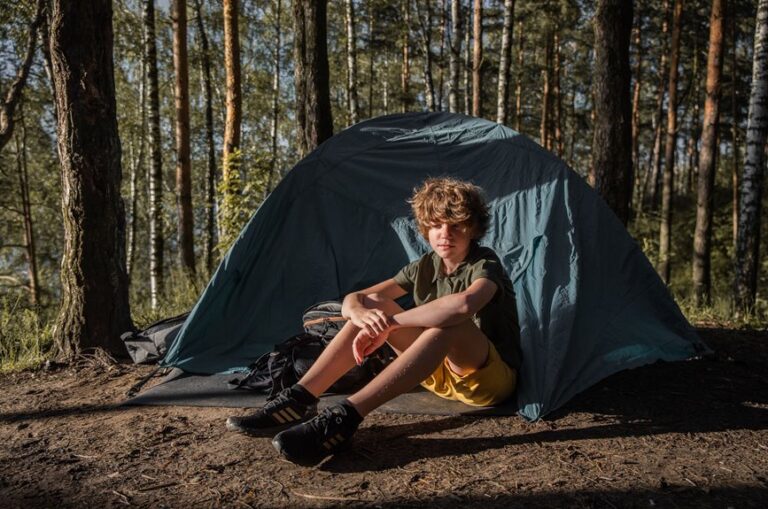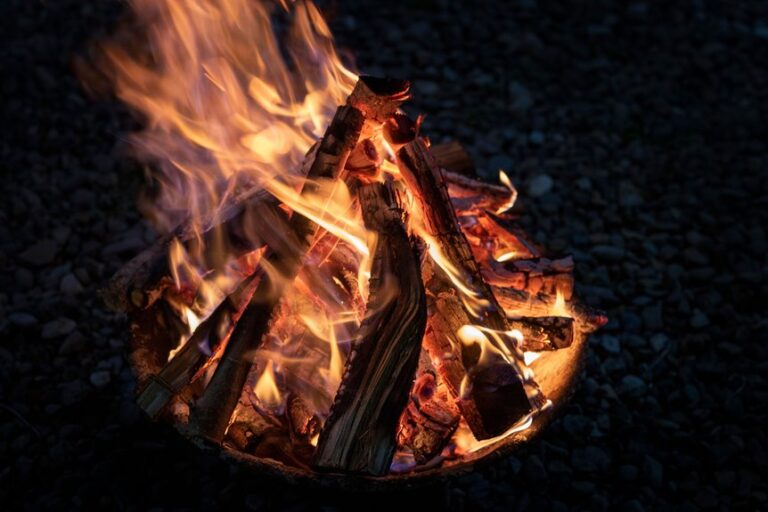

Campfire safety starts with smart choices and steady attention. Check local rules and pick a flat, cleared spot before lighting a flame. Keep water and a shovel within arm’s reach for quick control. Build a small, contained fire and monitor wind shifts closely. A few careful steps prevent sparks from traveling and reduce wildfire risk.
Check Campfire Rules Before You Spark
Before you strike a match or light a fire ring, take a few minutes to check the campfire rules for that area. You’ll fit right in whenever you do permit verification first, because it shows respect for the land and the people around you.
Next, read the posted signs and ask a ranger or host about local restrictions, since some places ban fires during dry spells or set strict hours.
Then, make sure your wood, rings, and tools match the rules, so you don’t face a surprise fine or a shut-down fire.
Provided you’re camping with friends, share the rules with them too. That way, everyone stays on the same page, and you can relax having awareness your group is helping protect the site and keeping the evening warm, easy, and safe.
Choose the Safest Fire Pit Spot
A safe campfire starts with the right spot, and that choice can save you a lot of worry later. You want a flat, open area where flames can stay steady and your group can relax together.
Avoid low lying spots because cool air and smoke can settle there, making the fire harder to manage. Check the ground for underground roots, since they can dry out and carry heat farther than you’d expect.
Next, consider windbreak placement, but only use natural barriers that don’t trap sparks. Keep the pit away from overhanging branches, tents, and dry grass, so everyone nearby feels safer.
If you choose wisely, you help the whole campsite feel more welcoming and calm. That little bit of care goes a long way.
Gather the Right Firewood and Tinder
Choose dry wood that snaps cleanly and feels light, because wet logs smoke more and make your fire harder to manage.
Then pick reliable tinder like dry bark, pine needles, or commercial fire starters, so you can get a strong flame going without a frustrating wait.
Whenever you gather both prior to lighting up, you make the whole campfire process smoother and safer for yourself and everyone nearby.
Dry Wood Selection
Dry fuel can make the difference between an initial campfire and a smoky mess that leaves you coughing and poking at weak flames. You want pieces that feel light, sound hollow, and snap cleanly. Use this quick guide:
| Check | What you want |
|---|---|
| Weight | Feels light |
| Sound | Rings hollow |
| Surface | No damp spots |
| Cut ends | Cracks show |
| Fit | Knot free wood |
When you pack up, keep your bundle off wet ground and under cover. A moisture meter helps you spot wood that still hides too much water, so you don’t waste time feeding a stubborn fire. Choose smaller splits initially, then add thicker pieces as the flames settle. That way, your camp circle stays warm, calm, and easy to share with friends.
Reliable Tinder Choices
Once your dry wood is sorted, the next step is finding tinder that catches fast and keeps your fire from stalling out. You want natural tinder that lights with a spark and feels dry to the touch. Try birch bark, cedar shavings, dry grass, pine needles, or cotton balls dipped in wax. These choices help you build a flame that feels steady, not fussy.
Next, keep your tinder small and loose so air can move through it. Then place it under kindling, because that little bridge helps your fire grow. Avoid chemical accelerants, since they can flare up fast and put your group at risk. Whenever you choose wisely, you make fire building calmer, safer, and a lot more like a shared campsite win.
Build a Campfire That Stays Contained
As you build a campfire, the goal isn’t just to make flames, it’s to keep them where they belong. Choose a clear spot, then set your wood inside a spark resistant ring or a portable firepan so the fire has a firm edge.
Stack logs low and close together, because a tidy shape burns easier to control. Add only what the fire needs, and feed it slowly. You’ll feel calmer whenever the flames stay compact and easy to read.
Should the fire start leaning or popping, pause and let it settle before adding more wood. That simple rhythm helps you stay in step with your group and keeps the campfire friendly, safe, and ready for everyone to enjoy around the circle.
Keep Campfire Gear Close at Hand
Keep your fire tools close so you can act fast if sparks pop or logs shift. A shovel, poker, and tongs within arm’s reach help you adjust the fire without stepping away.
You should also keep a water bucket nearby, because a quick splash can calm a flare-up before it grows.
Fire Tools Within Reach
A safe campfire starts with smart prep, and that means having your fire tools close enough to grab fast. Keep spark proof gloves on a nearby hook or table so you can adjust logs without rushing or fumbling.
Set a fireproof mat under your setup to catch stray embers and give your gear a clean, ready spot. Place tongs, a poker, and a small shovel within arm’s reach, not buried in a pack or tucked near the tent.
Whenever you can find everything in seconds, you stay calm and in control, and that steady feeling helps everyone relax around the flames. A tidy tool zone also keeps your group moving as one, so nobody has to break the moment to search for gear.
Water Bucket Nearby
Reach for the nearest water bucket before the fire starts to grow too hot, because fast access can calm a small problem prior to it turning into a big one.
Keep that bucket full and set it on level ground beside your campfire ring so you and your group can grab it without fumbling in the dark.
A sturdy plastic bucket works well, and it’s easy to refill whenever you need it.
Next, pair that water with a shovel or poker so you can work as a team and feel confident together.
You don’t need to waste extra water, either, because water conservation matters at camp.
Use only what you need, then check the coals until they’re cool.
That simple habit helps everyone stay safe and feel like part of a careful, capable crew.
Light Your Campfire the Safe Way
Before you strike a match, take a calm minute to set things up the right way. Gather your kindling, then place it inside the fire ring with spark placement in mind, so flames catch where you want them.
Keep match storage in a dry pocket or case, because damp matches can leave you frustrated. When you light the fire, lean in just enough to touch the flame to the driest twigs, then step back and give it space.
Add small pieces slowly, so the fire grows steady instead of jumpy. In case you’re with friends, let one person handle the flame while others stay clear. That way, you all feel safer, and the initial crackle starts your campout on the right reminder.
Watch Wind, Weather, and Fire Danger
Keep an eye on the wind, because even a small shift can make your campfire act up fast. Check the fire danger level before you light up, and should conditions be high, it’s safer to wait.
Whenever you stay alert to weather changes, you give yourself a better shot at a calm, worry-free night.
Monitor Wind Changes
Wind can change fast, so it pays to watch it closely while your campfire is burning. You and your group can stay safer whenever you watch shifts in the breeze and predict gusts before they reach the flames.
In case smoke starts leaning, sparks lift higher, or leaves begin to stir, get ready to act. Move seats, clear loose gear, and keep everyone a few steps back so the fire has room. Then add smaller sticks only once the air feels steady again.
A calm moment can still turn quick, so keep checking the trees, your hair, and the smoke. That way, you’re not guessing alone, and your camp crew can relax assured someone’s looking out for the fire.
Check Fire Danger Levels
Even a quiet day can turn risky fast, so you should check fire danger levels before you light a campfire and keep watching them while the fire burns.
That simple habit helps you stay in the group and keep everyone safe.
Use mobile apps, ranger updates, and seasonal forecasts to see whether dry air, heat, or strong gusts could change your plans.
- Look for local fire bans before you build anything.
- Read the daily danger rating, not just the weather.
- Recheck alerts when the sky darkens or the wind shifts.
When danger climbs, choose a smaller fire or skip it together.
Your crew will thank you for staying alert, and you’ll feel better recognizing you made the smart call.
Keep Kids and Pets at a Safe Distance
A safe campfire starts with clear space, so make sure kids and pets stay well back from the fire ring at all times. Keep a steady supervision distance, and use boundary markers like chairs, sticks, or a blanket edge so everyone knows where to stop.
You can make this feel easy by naming one adult as the lookout, while the rest of the group relaxes nearby. That way, children feel included, not pushed away, and pets have less chance to dart in for a curious sniff.
Should kids want to watch, invite them to sit with you just outside the marked area. A calm setup helps everyone enjoy the glow, share stories, and stay safe together.
Keep the Fire Small and Controlled
Keep the fire small so it stays easy to watch and easy to calm down should it become necessary. A compact flame helps your group relax, talk, and feel at home together.
Aim for a small footprint that matches the space you’ve cleared. Then, keep checking it as you go.
- Add only a few sticks at a time.
- Shift logs so they don’t crowd the flame.
- Practice steady ember management whenever the fire starts to settle.
Whenever you keep the blaze controlled, you protect your campsite and your crew. You also make cleanup simpler for everyone.
In case the flames rise too much, back off and let them shrink before you add anything else. With a little care, you’ll keep the moment warm, safe, and easy to enjoy.
Cook Over a Campfire Safely
At the time you cook over a campfire, pick sturdy gear like a grill grate, long utensils, and heat-safe gloves so you can stay steady and safe.
Keep the flames low and controlled, because sudden flare-ups can ruin dinner and make you jump faster than the marshmallows can toast.
Afterwards handle hot food with care, using tongs or mitts so you don’t get burned while you serve up a warm meal outdoors.
Choose Safe Cooking Gear
Before you light up the fire, choose cooking gear that’s made for campfire heat and easy to control. Whenever you pack the right tools, you join the campers who cook with confidence instead of stress.
- Use Lightweight stoves whenever you want steady heat and simple setup.
- Place food on long-handled tools so your hands stay farther from the fire.
- Bring Non flammable blankets to set hot gear on after cooking.
Pick pots with sturdy handles and lids that fit well, because spills can turn a fun meal into a messy night. Also, keep a small brush or scraper nearby so you can clean gear before packing it away. With the right setup, you’ll cook dinner smoothly, share the moment, and feel like you belong at camp.
Keep Flames Controlled
Now that your cooking gear is ready, the next step is to tame the fire itself so dinner stays fun and safe. You and your crew can keep the flame low, steady, and friendly. Use a ring of small logs to hold the heat, and watch for controlled embers instead of tall bursts.
| Fire cue | What you do |
|---|---|
| Flames rise high | Step back and wait |
| Heat feels even | Start cooking nearby |
| Sparks jump around | Tighten ember management |
| Glowing coals settle | Stay close and watch |
When you keep the fire calm, everyone feels more at ease around the camp. That shared focus helps your meal cook well and keeps the group connected. Soft, steady firelight makes camp cooking feel like teamwork, not a scramble.
Handle Hot Food Carefully
Grab the hot pan with care, because campfire cooking can turn a simple meal into a fast lesson should you rush it. You’re part of a camp crew whenever you cook this way, so move like you belong there and protect your hands initially. Use tongs to lift lids, turn meat, and examine edges without touching the heat. Wear Heat resistant gloves whenever you reach near the fire or handle cast iron.
- Set hot cookware on a stable rock or grate.
- Keep kids and pets back while you serve.
- Tell a friend before you pass anything hot.
Next, let food cool a minute before you eat it. That little pause helps you avoid burned fingers and a burnt tongue, which nobody wants on a good camping night.
Prevent Sparks and Flying Embers
As the fire settles into a steady glow, you still need to keep a close eye on sparks and flying embers, because even a small pop can start trouble fast. Choose a fire ring with spark arrestors or a screen, and add ember guards should the wind start to pick up.
Then keep loose leaves, dry grass, and extra gear back from the fire so stray embers have nowhere to land. You can also feed the fire small, dry wood, since wet logs tend to snap and spit.
In the event you notice a burst of sparks, shift your seat a little farther away and stay calm. Whenever everyone watches the flames together, your camp feels safer, and the whole group can relax a bit more.
Put Out a Campfire the Right Way
As soon as the flames have faded to a soft bed of red embers, you still need to finish the job with care. You and your camping crew can keep the site safe by using the smothering technique initially, then adding water in a layered dousing. This one-two approach helps stop concealed heat from hanging around like an uninvited guest.
- Pour water slowly over the embers.
- Stir the wet ashes so heat escapes.
- Add more water until everything is soaked.
When you work together, you protect the whole campsite and make cleanup feel manageable. Keep your tone calm, move with purpose, and don’t rush the process. A careful fire put-out helps everyone around the campfire feel confident, relaxed, and ready for the next expedition.
Test the Ashes Before You Leave
Even after the fire looks dead, you still need to inspect the ashes before you walk away. Stay close and check the ash temperature with the back of your hand held just above the surface. Should you feel any warmth, give the pile more time and stir it gently with a stick.
Then do a careful ember inspection via looking for tiny red spots buried under gray ash. You can also pour a little water and listen for any hiss, which tells you heat is still hiding inside. Keep checking until everything feels cool, soft, and quiet.
Once you leave together, you help protect the campsite and the people who come after you. That shared care builds trust and keeps your outdoor crew strong.
Avoid Common Campfire Safety Mistakes
One small mistake can turn a relaxing campfire into a real headache, so it helps to know the traps before you hit the trail. You and your crew can stay safe whenever you spot the habits that cause trouble. Skip these common slipups:
- Don’t trust smothering myths like tossing dirt on hot coals and walking away.
- Keep ember management tight by stirring, checking, and feeling for concealed heat.
- Never leave the fire half-out, because one glowing coal can travel fast.
Then build a circle of trust around the fire. Share the job, speak up provided something looks off, and double-check the pit before anyone heads to bed.
Once you watch each other’s backs, campfire safety feels natural, and your group keeps the good vibe going all night.
Frequently Asked Questions
What Should I Do if Smoke Bothers My Eyes While Camping?
Step away from the smoke, face upwind, and wear eye protection if you have it. Rinse your eyes with clean water. If smoke symptoms continue to bother you, get to fresh air and tell your campsite friends.
Can I Use a Campfire During a Burn Ban?
Usually you can’t use a campfire during a burn ban. You should follow local fire restrictions and check permit requirements initially so you can stay part of the group protecting everyone’s campsite.
How Far Should Tents Stay From a Campfire?
Keep your tent at least 15 feet away; imagine embers like startled fireflies, drifting where you least expect. You will protect your camp circle with smart tent distance and cut ember spread.
What Supplies Help With Minor Campfire Burns?
You’ll want antiseptic ointment and sterile gauze for minor campfire burns. Keep cool water, clean cloths and bandages nearby too so you can help each other quickly and stay prepared together.
How Can I Tell if a Campsite Allows Campfire Rings?
Check the campsite rules, because a fire ring’s welcome isn’t always written in smoke. You can verify permit status online or through a ranger inquiry, and you’ll feel confident joining the campers’ circle.