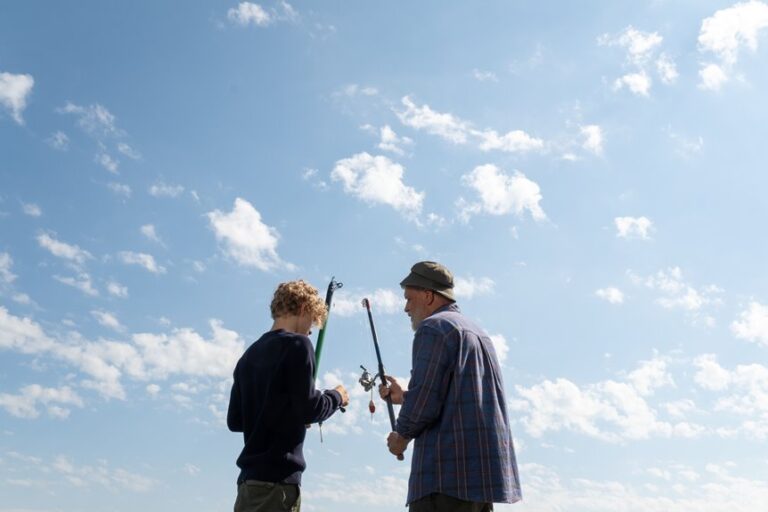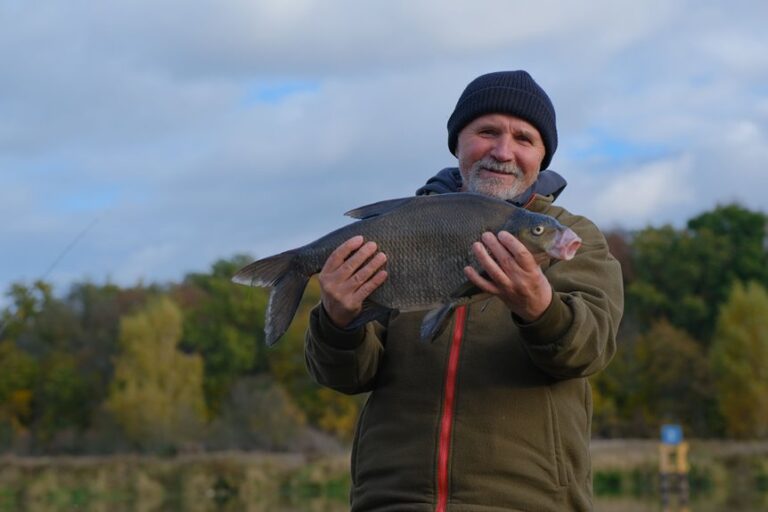


Shore fishing can turn a slow bite into steady action with a few focused moves. Choose edges where rock, grass, or tide seams give fish cover and concentrate your casts there. Match gear to the distance needed and use natural bait or lifelike lures for realistic presentation. Cast upcurrent into calm pockets around dawn or dusk to increase strikes. Small habits—patience, accurate placement, and subtle retrieves—often make the biggest difference.
Choose the Best Shore Fishing Spot
A good shore fishing spot can make the whole trip feel easier and more rewarding. You want a place that fits your style and helps you feel welcome, not crowded out.
Look for rocky headlands should you want deep water close to shore and a steady sense of cover. Choose public access areas whenever you’re learning, so you can move freely without stress.
Freshwater estuaries can bring together bait and predators, which gives you more chances to connect with a fish. Should you prefer a quieter setting, try secluded coves where you can settle in and fish with less noise.
As you investigate, trust your comfort too, because the best spot is the one where you can relax, pay attention, and enjoy the moment.
Read Tides, Current, and Water Flow
Watching the water can tell you more than any fishing chart provided you know what to look for. You belong on the shore whenever you learn how tides, current, and water flow work together.
Start by checking whether the tide is rising or falling, because moving water wakes up fish and helps your bait presentation look natural. Then watch for seams, swirls, and calm pockets where food drifts and fish wait.
In estuary interactions, fresh and salt water mix, so the edges often hold active fish. After that, notice how wind pushes surface flow, since it can shift your casting angle and your chances.
In case the water looks muddy, stay alert, because low visibility can still hide feeding fish near moving water.
Match Your Gear to the Shoreline
Choose a line weight that matches the fish, the cover, and the pull of the surf, so your cast feels steady instead of forced.
Pair a longer rod with open shoreline spots for easier reach, and use a shorter rod whenever rocks, brush, or tight banks crowd your swing.
Then match your reel size to that setup so the balance feels right in your hands and you can fish longer without wearing yourself out.
Line Weight Selection
Feel the line before you cast, because the right weight can make a rough shoreline feel a lot easier to fish.
You want a line that fits your spot, so you can cast cleanly and stay connected whenever waves tug back.
Braid benefits show up whenever you need thin strength and quick feel, while monofilament memory can help provided you want a forgiving line that lays better in smaller coils.
- Use lighter line in calm water
- Step up whenever rocks scrape hard
- Pick braid for sharper bites
- Choose mono provided stretch helps
- Match weight to your bait
Whenever you make this choice, you join other shore anglers who trust simple setup changes and fish with more confidence.
Rod Length Choices
A longer rod can make a tight shoreline spot feel a lot more workable, while a shorter rod can save you from snagging every bush and dock post in sight. You’ll feel more at home whenever your rod matches the bank you’re fishing.
In case you cast from open sand or over tall grass, longer lightweight rods help you reach past rough edges and guide your lure with ease. Whenever the shore is crowded with reeds, rocks, or railings, short action rods give you better control and less hassle.
You don’t need the fanciest setup to fit in and fish well. You just need gear that feels right in your hands and works with your space. That’s how you stay confident, keep casting, and enjoy the shoreline crew vibe.
Reel Size Fit
Match your reel to the shoreline, and the whole setup starts to feel easier in your hands. Once reel fitment feels right, you cast with less strain and more trust. A reel that’s too big can tire you out; one that’s too small can feel shaky in wind and surf. You want balance, not clutter.
- Check rod balance before you buy
- Match spool compatibility to your line choice
- Pick a size that keeps casts smooth
- Use a reel that fits your grip
- Choose gear that feels steady on long walks
That fit helps you stay calm as waves shift and fish move. You’re not just carrying tackle, you’re joining the shoreline crew with gear that belongs.
Pick the Right Shore Fishing Rod and Reel
Choose a rod that fits the shoreline you’re fishing, because length and action change how far you cast and how well you feel a bite.
Next, pick a reel with the right size and drag so you can handle the fish without losing control whenever the fight gets tough.
Then make sure the line capacity and general balance feel right in your hands, since gear that’s comfortable helps you fish longer with less strain.
Rod Length And Action
Dial in your rod length and action, and shore fishing starts to feel a lot less like guesswork. You’ll match your spot faster, cast cleaner, and stay in control once the wind kicks up.
- Choose a longer rod for long casts from rocks, sand, or piers.
- Pick a moderate action provided you want forgiveness and smoother hooksets.
- Use a sensitive tip so you can feel light bites sooner.
- Go shorter whenever tight banks or brush limit your swing.
- Balance the rod so it feels natural in your hands.
As you fish with others who love the shoreline life, these choices help you fit in fast. Your rod should feel like part of your rhythm, not a fight. That comfort makes each cast easier and each bite feel more real.
Reel Size And Drag
Once your rod feels right in your hands, the reel has to keep up, because a bad reel can make a good setup feel clumsy fast.
You want a size that feels steady, not bulky, whenever you cast from the shore. A smooth drag helps you stay calm whenever a fish surges near rocks or pilings, and that little control can save your catch. Check drag tuning before you head out, so the line gives out with even pressure instead of jerking. Also, keep up with spool maintenance by rinsing salt and grit after each trip.
Once you trust the reel, you fish with more confidence, and that confidence helps you relax, stay focused, and feel like you belong out there with the rest of the shore crew.
Line Capacity And Balance
Even the best rod and reel can feel off in case the line capacity and balance don’t match the way you fish from shore. You want enough line capacity for long casts and surprise runs, but not so much that the reel feels clunky in your hand. Find the balance point where the outfit rests naturally, because that keeps your wrist relaxed and your casts cleaner.
- Match line capacity to your target fish.
- Check the balance point with the rod loaded.
- Adjust spool tension so line flows smoothly.
- Aim for rod harmony, not just power.
- Hold the setup like you’ll fish all day.
When your gear feels centered, you stay calm, confident, and ready with your shore crew.
Choose Baits Shore Fish Actually Want
Picking the right bait can turn a slow shore day into a steady bite, and that’s a relief whenever you’ve already walked the rocks, checked the tide, and still haven’t felt a tug.
You fit in faster whenever you use what local fish trust. Start with live bait like shrimp, mullet, or worms, since these match the food near the bank.
Provided the water’s clear, add a light shrimp scent to help fish find your bait without spooking them. Whenever baitfish are active, try artificial swimbaits that look natural and move like a small meal.
For night fishing, lean on darker baits or strong scent, because fish rely less on sight then. Keep your bait fresh, and swap it before it looks tired.
Cast Farther and Place Lures Better
To cast farther, you need a rig that fits your spot and your target, so your lure can travel cleanly instead of fighting the wind.
You’ll also place it better once you match your rod, line, and weight to the job, because small setup changes can make your cast feel a lot smoother.
With a little practice, you can land your bait where fish actually feed, not where your arm got tired halfway through.
Choose The Right Rig
A solid rig can make shore fishing feel a lot less like guesswork and a lot more like control. You don’t need fancy gear, just a setup that matches the water and bait. A slip sinker lets your line move freely, so fish feel less pressure. A popping cork keeps bait up where hungry fish can find it fast. Whenever you’re fishing with friends, that shared confidence matters.
- Pick a rig that fits the depth.
- Use lighter tackle whenever fish are wary.
- Let bait move naturally with the current.
- Match the rig to wind and waves.
- Keep your setup simple so you can relax and fish.
With the right rig, you’ll feel ready, steady, and part of the shoreline crew.
Improve Casting Accuracy
Once your rig is set, the next win comes from putting your bait exactly where fish are likely to be. Keep your body alignment square to the target, then load the rod smoothly. You’ll feel more control whenever your shoulders, hips, and feet face the same spot.
| Tip | Why it helps |
|---|---|
| Pick one target | You learn distance fast |
| Use the same stance | Your release stays steady |
| Practice with markers | You see small errors clearly |
| Watch the line path | You spot wobble sooner |
| Cast often on shore | Repetition builds trust |
Try target practice with rocks, buoys, or foam cups. Start close, then back up. As you repeat the motion, your casts’ll fly straighter, and you’ll place lures with less guesswork. That small gain can make you feel right at home near the water.
Fish Structure, Drop-Offs, and Cover
At the time you’re shore fishing, the best spots often hide where the bottom changes fast, because fish like places that give them an easy meal and a quick escape. So you should read the bank like a map and use structure mapping to spot ledges, rocks, and fallen trees. These edges make fish feel safe, and they bring food right to them. Once you find vegetation hotspots, cast along the outside line, not just into the thick stuff.
- Watch for depth breaks
- Fish the shadow side
- Probe wood and weed edges
- Slow down near rocky banks
- Recast after a miss
You’ll fit in faster as you learn these places, because good shore anglers trust the water’s shape, not luck.
Time Your Shore Fishing for Better Action
Once you time your shore fishing around tides and currents, you give yourself a better shot at finding active fish instead of waiting on dead water.
Dawn and dusk often bring the best feeding windows, so plan your trips as the light changes and the shoreline feels alive.
Also, keep an eye on rising or falling water levels, because those shifts can push bait closer and turn a quiet spot into a busy one.
Match Tides And Currents
Matching the tide and the current can turn a slow shore trip into a lively one. You’ll fish better while you study tide synchronization and use current mapping before you cast. As water moves, bait shifts, and fish follow that easy meal. That’s where you fit in with your crew at the shoreline.
- Check incoming water for fresh movement.
- Watch where ripples tighten near rocks.
- Cast slightly upcurrent and let bait drift.
- Fish the edge where fast and slow water meet.
- Stay patient as flow changes, because bites often do too.
Once you match your spot to the water’s push, you stop guessing and start fishing with purpose. It feels good, and you’re not out there alone.
Fish Dawn And Dusk
Dawn and dusk often bring the best shore fishing action because fish feel safer and move closer to shore to feed. You can use that quiet window to join the water’s rhythm instead of fighting it.
At first light, you’ll often see calm ripples, softer light, and more signs of bait near the edge. That’s as crepuscular feeding kicks in, and your cast can feel like you arrived at just the right moment.
As the sun drops, stay patient and keep your line ready. Small changes in light can make a big difference, so you don’t need to chase every splash. Instead, settle in, watch closely, and trust the bite to build. You’re not late; you’re right on time for the shoreline crowd.
Target Changing Water Levels
Shore fishing can flip fast, so it pays to watch the water instead of just the clock. Whenever you spot a seasonal drawdown, move with the falling edge and cast where bait gets pushed tight. You’re fishing with the whole crew as soon as you read the shoreline right.
- Follow fresh mud lines
- Fish windblown points
- Work pockets near bank erosion
- Cast below exposed weeds
- Check any new drop-offs
As water rises, fish often slide into flooded grass and sheltered pockets. Whenever it drops, they pull back to deeper cover and safer lanes.
Fish Better in Wind, Weather, and Light
Wind, weather, and light can change a fish’s mood fast, so you’ll catch more whenever you stop fighting the conditions and start reading them.
Once the breeze picks up, use gusty casting to place your bait where fish hide from the chop.
In low light, fish often move closer to shore, so be ready ahead of time and stay a little longer.
Check the barometer reading too, because steady pressure can keep feeding calm, while sudden drops might wake them up.
Wear polarized lenses so you can spot moving shadows, weed edges, and slick water without squinting like you lost a bet.
As you match your cast to the sky and water, you fit in with what the fish expect, and that makes each trip feel a lot less lonely.
Build a Simple Shore Fishing Rig
Once you learn how fish react to wind and light, the next step is giving them a rig that looks natural and lands quietly. You don’t need fancy gear to fit in with good shore anglers; you need a simple setup that works.
- Tie strong palm grip knots so your line stays steady.
- Use a light hook and a small sinker.
- Keep your bait fresh with smart bait preservation methods.
- Match the bait size to the local forage.
- Check your leader for twists before each cast.
When you build your rig this way, you fish with more confidence and less guesswork. That calm setup helps you blend into the shoreline rhythm, and the fish won’t feel pressured. Keep your hands relaxed, your tackle neat, and your focus on quiet, natural presentation.
Set the Hook and Land Fish Cleanly
As the rod bends and the line tightens, you need to move with confidence and not rush the moment. Give a firm hookset by lifting the rod smoothly and keeping steady pressure on the line. Then stay calm and let the fish fight without drama.
You’re part of a shore angling crew, so trust your setup and keep your knees soft for balance. Use controlled play to guide the fish away from rocks, weeds, and snaggy edges. Reel whenever the fish gives you space, and lower the rod whenever it pulls hard. Should it surge, ease up and keep the line tight. Once it nears shore, bring it in with patience and care, so the landing feels clean and respectful for both of you.
Avoid Common Shore Fishing Mistakes
Even a good shore fishing spot can turn frustrating fast provided small mistakes pile up, so this is where patience saves the day. You fit in better whenever you keep your setup simple and steady. Check your gear before you cast, because rookie knots can fail at the worst moment. Next, protect your bait storage so soft bait stays fresh and ready, not soggy and useless.
- Keep your line clear of tangles.
- Match your cast to the wind.
- Watch your footing on wet rocks.
- Reset your rig after snags.
- Stay calm if bites slow down.
Whenever you move with care, you avoid wasted effort and keep your confidence high. That steady mindset helps you feel like part of the shoreline crowd, not a visitor who’s always scrambling.
Target Common Species From Shore
Start near narrowing your focus to the fish that actually live close your shoreline, because that move saves time and keeps your effort sharp. You’ll feel more at home whenever you chase common shore species like bass, perch, bluegill, catfish, and trout.
Each one shows up in different cover, so match your spot to the water you see. Bass often hold near rocks or weeds, while perch and bluegill gather around docks and brush. Catfish like deeper edges, and trout might cruise cooler shallows.
Next, shape your bait presentation to fit their mood. Small, lively baits work if fish are active, and slower offerings help if they’re cautious. As you learn species habits, you’ll start reading the shoreline like a local, and that’s where confidence really grows.
Keep a Simple Shore Fishing Checklist
A simple shore fishing checklist can save your trip before it gets messy. Whenever you pack with care, you feel ready, calm, and part of the crew, even should you fish alone. Use this gear checklist so you don’t forget the basics:
- Rod, reel, and line
- Hooks, bait, and lures
- Towel and pliers
- Sunscreen, hat, and water
- Safety essentials like a primary aid kit and phone
Then add extras that fit your spot, like a landing net or spare leader.
Next, check your bag before you leave home, because missed items always seem to hide whenever you’re in a hurry. With a simple list, you spend less time scrambling and more time casting. That small habit keeps your day smooth, safe, and a lot more fun for everyone.
Frequently Asked Questions
How Do I Find Shore Fishing Spots on Private Property?
You find shore fishing spots on private property by checking maps, looking for public easements, and asking permission from landowners. You respect boundaries, build trust, and look for discreet access points that welcome you back.
What Should I Do if Birds Are Diving Near My Fishing Area?
You should cast there; birds diving can signal a feeding frenzy. Start watching feeding patterns, then try adjusting technique with smaller lures or bait. You are in the right place, and this could be magic.
How Can I Stay Safe From Snakes and Insects While Shore Fishing?
Wear long pants and boots, use wearable repellents, and stay on clear ground. You can carry a bite kit, check rocks before stepping, and keep your crew close so you will watch each other’s backs.
Do I Need a Fishing License for Every Shoreline I Fish?
Usually, yes. Then the fine print matters. You will need a valid license for each state’s waters you fish, and boundary signage can change everything. Check state regulations initially so you stay legal and belong on the shore.
How Do I Clean and Store Fish After a Shore Fishing Trip?
Gut fish quickly, rinse them clean, then pack them on ice in a cooler. You will keep them fresh longer with simple gutting techniques, and your crew will appreciate the careful handling.