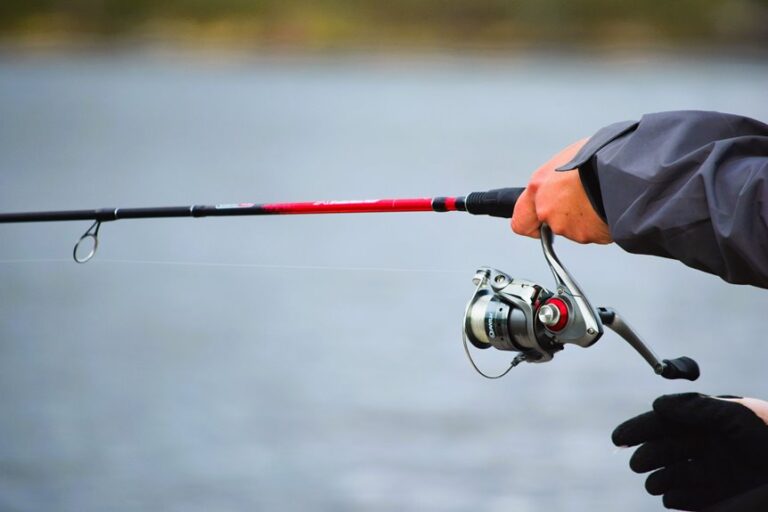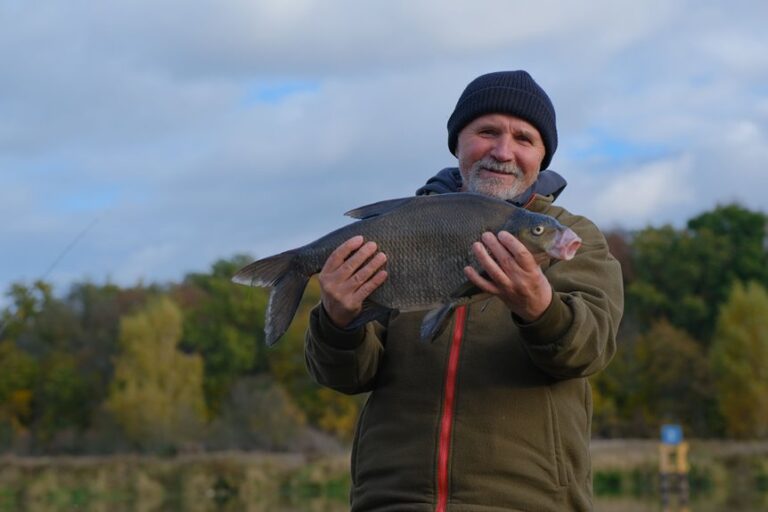


Dawn and dusk are prime fishing times because low light and calm water trigger feeding. Cooler temperatures at those hours often put fish closer to the surface and into shallower areas. Weather fronts, water temperature, and season shift activity patterns for different species. Moon phase and barometric pressure can boost or reduce bites on any given day. Matching bait and presentation to local conditions increases success more than strict adherence to a schedule.
Why Dawn Is the Best Time to Fish
Because the water is calm and the light is low, dawn often gives you the best chance to hook more fish. In the early light, fish feel safer near the top, so you can reach them before boats and noise start to stir the water. You also get a natural rhythm that helps you settle in and fish with confidence, which makes the whole morning feel like a shared win.
As soon as an insect hatch begins, hungry fish move fast and strike with purpose. That means you can match the feed without guessing all day. Dawn also gives you cooler air, easier casts, and fewer people crowding the bank, so you can focus, stay patient, and enjoy the quiet teamwork between you and the lake.
How Dusk Triggers Feeding Windows
As dusk settles, the fading light changes how fish see, so you can often find a stronger feeding window right away.
That shift also gives predators a better chance to ambush, and they’ll move in once baitfish start bunching up and drifting shallower.
Should you time your cast as the water comes alive, you can often match that surge and get more solid bites.
Light-Level Shift
As the sun drops low, the water changes fast, and that shift can wake fish right up.
You can feel the light fade, and that matters because many fish use visual sensitivity to read the water.
As ambient contrast softens, they spot bait more easily and move with more confidence.
So, once dusk starts, stay ready and watch for the primary small signs.
You may notice more ripples, more follows, and quicker bites near your line.
That’s your cue to keep casting with calm focus.
Should you match this changing light, you fit the moment instead of fighting it.
And that can make you feel like part of the evening crew on the water, even once the shore is quiet.
Predator Ambush Time
As dusk settles in, predator fish often shift from resting to hunting, and that change can turn a slow stretch of water into a feeding window.
You can feel the water seem calmer, yet the fish are waking up inside it.
In this short hour, they move with stalking behavior, using shade, rocks, and weed edges to stay concealed.
You’ll often see them hold an ambush posture, saving energy until the right moment.
That’s why your best move is to stay patient and watch for quiet signs instead of rushing in.
Whenever you match their pace, you fit in with the evening rhythm.
Then your lure or bait can land where they expect easy prey, and that’s whilst the strike often comes fast.
Baitfish Movement Surge
Dusk can light a fire under the whole waterway, and baitfish often make the initial move. You’ll see schooling patterns tighten as light fades, because small fish feel safer in groups and rush toward edges, weed lines, and shallow flats.
That shift increases bait availability fast, and predators notice right away. Should you be there at the right moment, you can slide into the same feeding window with confidence.
Watch for ripples, flickers, and nervous darts near the surface, then cast just ahead of the school. Keep your retrieval smooth, because panic in the bait often means a strike is close.
Once dusk settles in, you’re not guessing anymore. You’re reading the water with the crew, and that shared rhythm can turn an ordinary evening into your best bite.
Best Time of Day to Go Fishing by Species
Different fish wake up at different times, so the best time of day to go fishing often depends on the species you want to catch. Provided you’re after bass, try dawn or dusk. Trout often feed best early on, while catfish can bite well after dark. Panfish usually stay active through calm morning hours. Use this quick guide to match your trip:
| Species | Best Time | Tip |
|---|---|---|
| Bass | Dawn | Try topwater |
| Trout | Early morning | Work soft presentations |
| Catfish | Night | Fish near bottom |
| Panfish | Midmorning | Use small hooks |
When you choose lure selection, keep each fish’s habits in mind. Also watch wind patterns, since they can help you place casts where fish already gather. That way, you feel more prepared and part of the crew.
How Weather Changes the Best Fishing Time
Weather can shift the best fishing time fast, so it pays to read the sky before you cast. Whenever barometric pressure drops, fish often feel more active, and you can join that bite with confidence.
Should clouds roll in, cloud cover can calm bright water and help fish stay less wary. On clear, sunny days, you might do better early or late, at which time shade gives the water a softer look.
After a storm, give the scene a little time, then watch for steady feeding near safe spots. You don’t need perfect weather to feel at home on the water. You just need to notice the changes, trust your observations, and move with the day like you belong there.
Why Water Temperature Matters So Much
Water temperature can change how fast fish burn energy, so you’ll often see them feed more whenever the water feels right.
Whenever the season shifts, fish also move and act differently, which can change the best spots and times you ought to try.
In case you track warm and cool water closely, you’ll make smarter choices and waste less time guessing.
Temperature Affects Fish Metabolism
Because fish are cold-blooded, their body speed rises and falls with the temperature around them, so a small shift in the water can change how active they feel and how hard they’re willing to chase a bait.
Whenever the water warms a little, your target might burn energy faster and feed more often.
Whenever it cools, it might slow down and hug comfort zones.
- You might notice sharper strikes when fish feel lively.
- You might feel more confident when bites come quicker.
- You might find fish resting near thermal refuges.
- You might spot pressure points where oxygen levels stay strong.
- You might connect better with the water whenever you read these clues.
Seasonal Shifts Change Behavior
As the seasons turn, fish don’t just “notice” the change, they live it, and that’s why water temperature matters so much whenever you plan your fishing trip.
Whenever spring warms the shallows, you’ll see habitat shifts as fish move close to cover, then slide deeper during summer heat rises.
In fall, cooling water can spark strong feeding, because forage availability changes and bait gathers in easy-to-find spots.
Winter slows everything down, so you might need patience and a softer presentation.
Provided you track these shifts, you’ll feel less lost and more in tune with the water. That simple habit helps you stay with the fish instead of chasing luck, and it makes every trip feel like you belong out there.
Best Time to Go Fishing in Summer
Summer fishing can be fantastic, but you’ll usually catch more provided you plan around the heat instead of fighting it. You’ll fit right in with anglers who know that late morning can still work, but early afternoon often gets slow as the sun climbs.
Try these moves:
- Arrive before sunrise for calm water.
- Target shade near docks, weeds, or rocks.
- Keep your casts short and steady.
- Watch for baitfish breaking the surface.
- Stay patient as the bite feels shy.
Then, as the day warms, move with the fish instead of chasing empty spots. You’ll feel more confident once you read the water, share the rhythm, and trust your spot. That’s how summer turns from sweaty waiting into real connection.
Best Time to Go Fishing in Winter
Winter fishing often feels quiet, but that calm can work in your favor whenever you pick the right hour. You’ll usually do best in late morning through midafternoon, whenever a little sun helps warm shallow water and lift your spirits too.
Early and late can still pay off, but the fish often move more whenever the light has settled in. Check ice thickness before you step out, because safety keeps your day easy and confident.
With daylight shortage, plan your trip ahead so you’re not rushing as the sky fades. Dress in layers, keep your hands warm, and stay patient with the slower pace.
Whenever you fish with a steady crew mindset, winter feels less lonely and a lot more rewarding.
How Tides Affect the Best Fishing Time
Tides can change your fishing day fast, so you’ll want to watch whenever the water starts rising or falling. During those shifts, moving water stirs up bait and gets fish feeding, which can make your next cast a lot more promising.
Should you time your trip around tide changes, you give yourself a much better shot at finding active fish instead of waiting around.
Tide Changes
Whenever the water starts moving, fish often start moving too, so checking the tide can create a big difference in once you head out. You’re not guessing alone whenever you watch the changes. You’re joining other anglers who trust the rhythm of the shore.
- Feel more confident at the ramp
- Find feeding spots with less stress
- Notice current eddies near rocks
- Check tidal pools for trapped bait
- Stay patient whenever the water shifts
As the tide rises or falls, fish might slide into safer edges or deeper pockets. That’s where you can feel part of the action, not left outside it.
With a little timing, you’ll read the water better and fish with more calm, more hope, and a lot more connection.
Moving Water
A soft ripple can change everything at the shoreline, and that’s why moving water matters so much to anglers. Whenever the tide starts pushing, you get a fresh buffet of bait, and fish follow it fast.
You should watch current speed, because steady flow often sparks feeding, while weak flow can slow things down. Next, check channel structure, since drop-offs, bends, and edges let fish wait where food passes by.
Should you fish with this flow, you’ll feel less guesswork and more confidence. You can join the water’s rhythm instead of fighting it, and that makes each cast feel smarter. So, whenever the tide moves, you’re not just fishing harder, you’re fishing where the action gathers.
What Moon Phases Mean for Fishing
Even though the fish don’t check a calendar, the moon still shapes how they feed, move, and react to bait. Whenever you track moon phases, you join a quiet angler’s edge. During full and new moons, tidal illumination and lunar feeding can heighten activity, so you might feel that extra tug of hope.
- You’ll notice sharper bites on bright nights.
- You can plan around stronger feeding windows.
- You might feel less guesswork before dawn.
- You’ll stay patient whenever the water seems calm.
- You’ll fish with others who trust the same moon.
Waxing moons often build energy, while waning moons can slow the mood. So, watch the sky, trust the pattern, and keep your gear ready whenever the moon says “go.”
Best Time to Fish in Lakes and Rivers
Lakes and rivers can change fast, so the best time to fish often depends on how the water feels that day. You’ll usually do well whenever light is soft and fish feel safe.
In lakes, focus on shoreline structure like weed edges, points, and drop-offs, because fish frequently feed there initially. In rivers, look for slower seams, bends, and eddies where current brings food to waiting fish.
You can also watch for aquatic insects hatching, since trout and panfish commonly rise once those bugs appear. Provided the water is clear, you might need a gentler approach. Should it’s stained, fish could stay closer to cover.
As you match your spot to the water, you give yourself a better shot and feel right at home.
Best Time to Go Fishing at Night
Night fishing can be one of the calmest and most rewarding ways to fish, especially once the heat fades and the water settles down. You’ll often feel right at home once the stars come out and the shoreline grows quiet. That calm can help you relax and stay patient.
- You might meet more nocturnal species after dark.
- Urban lighting can draw baitfish close.
- Cooler air can make the whole trip feel easier.
- Soft sounds help you focus and belong with the night crew.
- A steady pace keeps hope alive between bites.
How to Match Fishing Time to Your Spot
Usually, the best fishing time depends on the water you’re standing beside, not just the clock on your phone. Whenever you match your fishing time to your spot, you start reading the place like a friend would.
Use structure mapping to find drop-offs, weed edges, docks, and current breaks, then observe which ones hold shade or moving water. Those spots often wake up earlier or later than open water.
Also, check access points where fish can move in and out, like creek mouths, spillways, or narrow channels. Should your spot be busy, fish might settle after the noise fades.
Plan Your Fishing Trip Around Peak Activity
To catch more fish, plan your trip around the time at which they’re most likely to feed.
You’ll feel more at ease once you fish with the crowd that shows up at the same sweet spot.
Check sunrise, sunset, and lunar timing, then match your cast to those windows.
Should you arrive ahead of time, you can settle in, breathe, and join the quiet before the action starts.
- Watch for birds and ripples
- Bring gear ready to go
- Keep snack breaks short
- Fish hard at dawn
- Stay patient at dusk
Whenever you follow the bite, you’re not guessing alone.
You’re tuning into the rhythm that other anglers trust, and that shared timing can make the day feel special.
Frequently Asked Questions
What Fishing Times Work Best for Beginners?
You’re best off fishing during dawn or dusk, when the water feels like a welcoming handshake. Watch tide cycles and weather patterns, and you’ll find calmer, easier bites that help you fit right in.
How Do I Avoid Crowded Fishing Spots?
You can avoid crowded fishing spots by going off peak, trying alternative spots, asking for landowner permission, and using a stealth approach. You will fit in better, feel calmer, and share quieter water with ease.
What Gear Should I Bring for Short Fishing Trips?
You’ll want light tackle, a compact cooler, and a few trusted lures for your quick outings. Pack water, snacks, and pliers so you’re ready for a brief riverside escape with your fishing crew.
Can I Fish Effectively During Lunch Hours?
Yes, you can fish effectively during lunch hours provided you use lunch break tactics and mid day techniques. You’ll fit right in with other anglers through staying flexible, choosing shady spots, and keeping your casts quick.
How Early Should I Arrive Before Prime Fishing Time?
Arrive earlier, about 30 to 45 minutes before prime fishing time, so you can set up, watch the water, and monitor the weather. You will settle in with the crew, confident and ready once the fish start feeding.