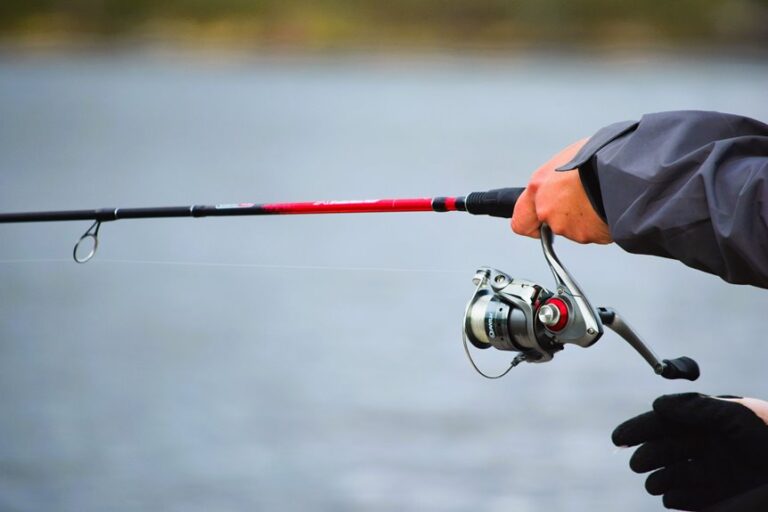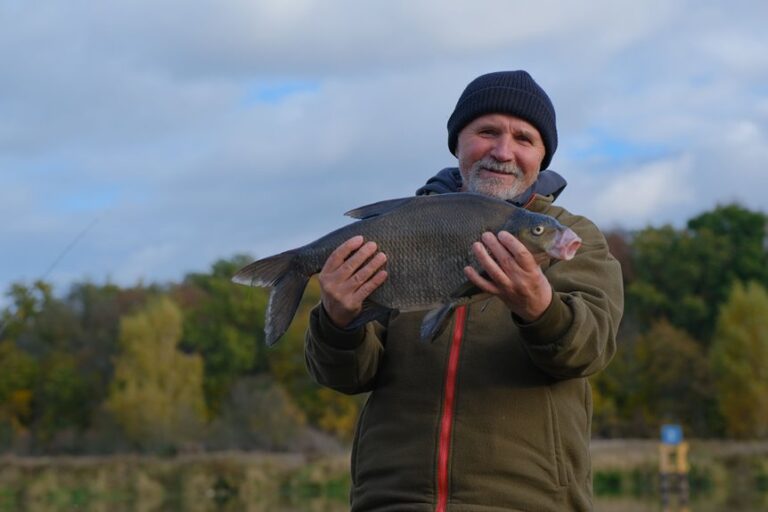


Freshwater fishing offers calm waters, simpler gear, and generally lower costs. Saltwater fishing delivers bigger fish, stronger tackles, and harsher conditions. Choice depends on preferred species, budget, and tolerance for weather and travel. Skill sets overlap but techniques, tackle, and maintenance differ noticeably. Both styles reward patience and practice with memorable fish and settings.
What’s the Difference Between Freshwater and Saltwater Fishing?
The water itself changes the whole game. In freshwater, you fish in lakes, rivers, and ponds with low salt, so your gear, bait, and target species feel familiar and steady. In saltwater, you face stronger waves, bigger fish, and salty air that can wear on your tackle fast.
Those salinity gradients shape how fish live, move, and feed, and they also affect your comfort on the water. Freshwater spots often sit near calm shores, marshes, and bryophyte habitats, while saltwater areas open into bays, flats, and open coasts. You’ll notice the pace changes too. Freshwater can feel quiet and personal, while saltwater often feels wider and more intense. Either way, you belong out there, learning the rhythm of the water.
Freshwater Fishing Basics
As you’re starting freshwater fishing, keep things simple and steady so you can build confidence fast. You belong on the bank or dock just like anyone else, and every cast teaches you something useful.
Pick a light rod, easy tackle, and a small bait or spinner that matches the water. Good lure selection helps you catch more without feeling swamped.
Next, practice knot tying until it feels natural, because a solid knot saves your fish and your mood. Watch the water for ripples, shade, and moving spots where fish often hide.
Then cast a little past your target and reel in with patience. In case nothing happens, adjust once and try again. Freshwater fishing rewards calm effort, and that’s a pretty welcoming deal.
Saltwater Fishing Basics
At the moment you fish in saltwater, tides and currents become your daily map, since they move fish and change where you should cast.
You’ll also want essential saltwater gear, like a sturdy rod, corrosion-resistant reels, and the right line, so your tackle can handle tougher conditions.
With the right timing and tools, you’ll feel more confident and ready for the surf, pier, or boat.
Tides And Currents
Even a calm morning can turn into a better fishing day once you understand tides and currents, since saltwater fish don’t move by luck, they move with the water. You can use tidal rhythms to plan at which times fish feed, rest, and slide near shore.
As the tide rises, bait often moves into new water, and fish follow. Once it falls, look for deeper pockets where they wait.
Current shear matters too, because two water flows meeting can gather food in one spot. That’s where you want to fish with your crew, because shared timing builds confidence.
Watch the water’s speed, direction, and change, then match your cast to it. If you do, you’ll feel less lost and more at home out there.
Essential Saltwater Gear
A smart saltwater setup can calm a lot of initial-trip nerves, because the right gear helps you feel ready instead of outmatched. Start with corrosion resistant reels, because salt can wear weak parts fast. Next, match them with marine specific lines that hold strength in rough water. You’ll also want a sturdy rod, sharp hooks, and split rings that won’t quit after one splash.
- Pick a rod with enough backbone for your target fish.
- Keep pliers and a line cutter clipped close.
- Wear polarized sunglasses so you can spot action sooner.
- Pack a small tackle box with extra leaders and sinkers.
Then add a rinse bucket and towel, so you can care for your gear right away. That simple habit keeps you in the game longer and helps you fish with confidence.
Freshwater vs. Saltwater Fishing Gear
The right gear can make or break your fishing trip, so it helps to know where freshwater and saltwater setups split apart. You’ll want stronger rods, corrosion resistant reels, and tougher line in saltwater because the environment wears gear down fast.
Freshwater gear can stay lighter, which helps you cast all day without feeling beat up. Check your line guides often, since salt can grind them and shorten your gear’s life.
In the event you use braid, keep up with braid care through rinsing it after each trip and drying it well. Within freshwater, that same setup can feel easy and nimble.
Target Species in Each Type of Water
Saltwater and freshwater can send you after very different fish, so it helps to know who lives where before you cast. In fresh water, you’ll often meet bass, trout, panfish, catfish, and pike. Each one fits a different lake, river, or stream, and trout habitat usually means cooler, cleaner water.
As bass migration starts, you might find largemouth or smallmouth moving into shallows and feeding hard. In salt water, you’re more likely to chase redfish, striped bass, snook, tuna, flounder, and snapper.
- Lakes and ponds often hold bass and bluegill
- Cold streams usually favor trout
- Marshes and bays can hide redfish
- Offshore water could bring tuna and snapper
That mix makes each trip feel like joining a new crew, and that’s part of the fun.
Best Techniques for Each Environment
Once you match your technique to the water, fishing starts to feel a lot less confusing and a lot more rewarding.
In freshwater, you often do best with a gentle approach. Use fly casting on calm streams, then let your fly drift naturally. If bass or trout ignore you, slow down and adjust lure presentation so it looks like easy prey.
In saltwater, you need sharper casts and firmer control. Work your bait or lure with quick twitches near docks, grass beds, or moving tide lines. Also, keep your line tight and watch for sudden strikes.
Freshwater rewards patience, while saltwater often asks for faster reactions. Either way, you belong out there, learning the water one cast at a time, and every small adjustment builds your confidence.
Costs, Access, and Licensing
Before you buy a rod or drop a line, it helps to know what fishing will cost you and how easy it’s to reach the water. Freshwater often feels lighter on your wallet, while saltwater can add boat maintenance, bait costs, and equipment depreciation faster than you’d expect. You might also face extra travel expenses should the coast be far from home.
- Check local rules prior to you pack up.
- Buy the right license for your state or county.
- Ask fellow anglers about access fees and launch spots.
- Compare yearly costs, not just one trip.
When you plan ahead, you join the water with less stress and more confidence. That’s a better way to fish.
Best Fishing Spots for Beginners
As you’re starting out, easy shoreline access can make fishing feel a lot less stressful. You can walk up, cast from solid ground, and focus on learning the basics without worrying about a boat or tricky gear.
Calm water piers also give you a steady spot to fish, and they often help you build confidence fast because the water is usually easier to handle.
Easy Shoreline Access
Easy shoreline access can make your initial fishing trip feel far less stressful, because you can focus on learning instead of fighting the terrain.
Whenever you choose a spot with accessible shoreline, you give yourself room to relax, cast, and adjust without feeling rushed.
In case you’re new, look for places near public boat ramps, parking areas, and clear paths to the water.
That way, you can settle in with confidence and feel like you belong there.
- Pick wide banks with gentle slopes.
- Avoid thick brush that blocks movement.
- Bring light gear so you can travel easily.
- Check local rules before you head out.
A simple start helps you build skill faster, and each easy trip can feel like a small win.
Calm Water Piers
Calm water piers can take a lot of the pressure off your initial fishing trip, because they give you a steady place to set up and a better chance to stay relaxed. You can stand with your feet firm, cast with more control, and learn at your own pace.
These spots often bring helpful people nearby, so you might feel like you’re part of the fishing crowd instead of on the outside looking in. Follow pier etiquette by keeping your line tidy, sharing space, and greeting others with a smile.
Then you can focus on simple wins, like spotting fish below or enjoying bird watching while you wait. A quiet pier also helps you notice how bait moves and how water shifts.
How to Choose Between Freshwater and Saltwater
Choosing between freshwater and saltwater fishing starts with your comfort, your budget, and the kind of excursion you want. Should you enjoy quiet lakes and easy gear, freshwater could fit you best. Should you crave bigger waves and tougher fish, saltwater can feel exciting and bold.
- Check local access and travel costs.
- Match your gear to the water.
- Consider your seasonal preferences.
- Consider the environmental impact of each spot.
Freshwater often welcomes beginners with calmer settings and lower costs. Saltwater asks more from your tackle, but it can give you a stronger thrill and a shared sense of expedition. So, pick the water that matches your pace, and you’ll feel right at home on the line.
Frequently Asked Questions
Can You Fish in Brackish Water Year-Round?
Yes, you can fish in brackish water year round, but you will need to adjust for seasonal migrations and salinity tolerance. You are part of a flexible crew there, and local conditions always shape which species bite best.
Does Saltwater Fishing Require Stronger Line?
Yes, you often need stronger line for saltwater fishing because fish hit harder and conditions are harsher. You will want good braid strength and corrosion resistance so your gear lasts and you feel confident out there.
Are Fish Flavors Different Between Fresh and Salt Water?
Yes, you’ll notice it: many people say 1 in 3 taste trials reveal different flavors. You’ll find subtle texture differences and mineral influence; salt water fish often taste brinier, while fresh water fish stay milder.
Can Freshwater Gear Be Used in the Ocean?
Yes, you can, but you will risk rust and wear. Your freshwater setups can work briefly in the ocean if you rinse them after use and practice corrosion prevention, so you are welcome in either fishing community.
How Does Tide Timing Affect Fishing Success?
Tide timing matters because you’ll fish best during tidal cycles that trigger feeding windows. Who would not want fish crashing bait right under you? Match ebb strength to bait presentation and you will feel right with the bite.