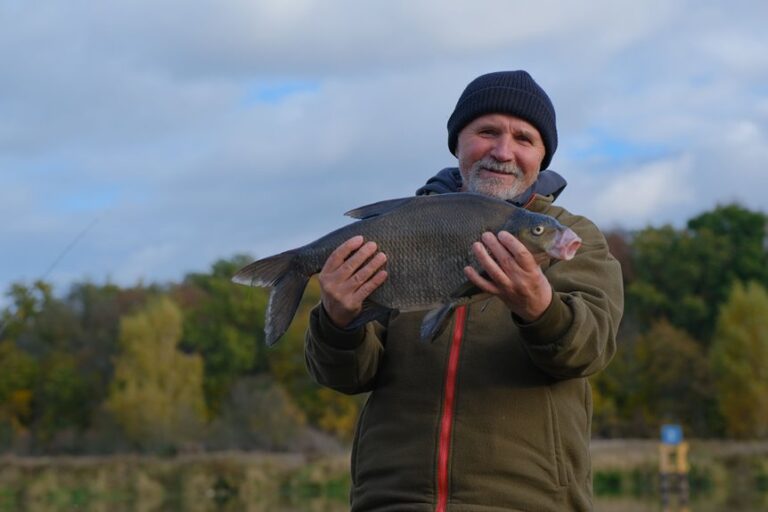


Catch-and-release works best when anglers match gear to fish, shorten the fight, and minimize handling. Proper tackle and steady pressure reduce exhaustion and injury. Keeping fish mostly in the water preserves protective slime and breathing. Quick, careful choices matter most when a fish is tired, stressed, or hooked deep. These practices increase survival and support healthier fisheries.
Use the Right Rod, Reel, and Hook
A great catch starts before your line ever hits the water, and the right rod, reel, and hook can make release much safer for the fish.
You want gear that matches the size of the fish you target, so light tackle helps you feel the bite without overdoing the fight.
A smooth reel gives you steady control, which keeps you connected and calm.
Then choose circle hooks, because they often catch in the corner of the mouth and make handling easier.
Whenever you pick gear that fits the moment, you join a respectful angling crew that puts care initially.
That choice builds trust with the water, and it helps you fish with confidence.
Around your local spot, that shared mindset matters more than bragging rights.
Land Fish Quickly and Calmly
As a fish is close to the net, keep steady pressure so you guide it in without sudden jerks.
You’ll shorten the fight time and lower stress on the fish, which helps it stay strong for release.
Stay calm, move smoothly, and let your gear do the hard work so you can land the fish with less struggle.
Use Steady Pressure
Guide the fish with steady pressure, and you’ll give it less time to fight, tire itself out, or suffer from stress. Keep your rod bent and your movements smooth so the fish stays under control. Whenever you apply steady pressure, you help yourself keep line control, and that makes the whole landing feel calmer for both of you.
In case the fish surges, stay composed and match its pull instead of jerking back. Small, even adjustments work better than quick, hard moves. You’re part of a smart, caring fishing crew when you handle each fish this way. That calm touch helps protect the fish and lets you guide it to the bank with confidence. Provided you stay patient, you make the moment safer and kinder.
Minimize Fight Time
Quickly, you want to end the fight before the fish wears itself down too hard. Keep your rod angle steady, reel with purpose, and guide the fish away from snaggy cover so you can land it fast and calm.
Short battles protect its strength, and they also keep your own nerves settled. Should the fish surge, let the drag work instead of pulling back hard. That’s where aggressive angling can help, but only provided it stays controlled and smart.
Move smoothly, stay alert, and avoid extra play that drags things out. You’re part of a good crew when you handle fish with care. Quick action, gentle hands, and clear focus all work together to give the fish a better chance after release, and they make every catch feel more rewarding, too.
Keep Fish in the Water
Whenever you keep the fish in the water, you cut stress and give it a better chance to recover. Support it horizontally with wet hands or a wet net, and don’t lift it higher than you need to.
Then release it in the water so it can swim off on its own, which is usually the best finish for both of you.
Minimize Air Exposure
Keeping a fish in the water as much as possible gives it the best shot at swimming away strong. You’ll help your catch recover faster whenever you reduce handling and limit photos, because every second out of the water adds stress. Work quickly, keep your gear ready, and decide what you need before you lift the fish. Should you want a quick photo, plan it initially so the fish stays wet and calm.
- Wet your hands before touching the fish
- Unhook it fast and return it to the water
- Skip extra lifts and long posing sessions
As soon as you move with purpose, you protect the fish and stay part of a crew that cares. Small choices like these make release day feel good for everyone.
Support Fish Horizontally
Support the fish with both hands and keep its body level, because a fish that hangs sideways can tire out fast and lose balance. You’re helping a partner in the water whenever you use horizontal supports. Slide one hand under the belly and the other near the tail, or use soft belly cradles for larger fish.
| Hold Point | What You Do | Why It Helps |
|---|---|---|
| Head | Keep it steady | Reduces stress |
| Belly | Support fully | Protects organs |
| Tail | Lift gently | Keeps balance |
Whenever you stay calm, the fish feels safer, and so do you. Keep your grip firm but gentle, and avoid squeezing. Provided the fish kicks, reset your hands and stay with its level shape. That small care builds trust in your catch and release routine.
Use In-Water Release
Once you’ve got the fish steady in your hands, keep it in the water for the release so it can recover without extra stress. You help your catch breathe, kick, and regain strength while you stay calm and gentle. Should the fish need a moment, hold it facing upstream so fresh water moves through its gills. Then let go once it swims on its own.
- Wet your hands before touching the fish
- Keep photos quick and over the water
- Revive tired fish beside the boat or bank
Whenever you fish this way, you join others who care about healthy waters. That shared habit grows through educational outreach, and it gets stronger with policy advocacy that protects release practices.
Handle Fish With Wet Hands
Wet hands matter every time you touch a fish, because dry skin can strip away the slime coat that helps protect it from infection and stress.
Before you lift it, rinse your hands in the water beside you, then keep them damp while you guide the fish. This small habit supports moisture retention and skin protection, so the fish stays healthier after release.
Whenever you hold it, use a gentle grip and stay calm, because quick movements can add extra pressure. Should your hands start to dry, wet them again right away.
You’re part of a crew that cares, and these simple steps show respect for every fish you meet. A little water on your hands can make a big difference.
Remove Hooks the Right Way
Carefully remove the hook as soon as you can, because the faster you act, the less stress the fish feels. You’re part of a careful crew whenever you use steady hands and calm moves.
For barbed removal, back the hook out along its path instead of yanking. In case the hook sits deep, use hook swivel techniques to rotate it free with a quick, smooth turn. Keep your tool ready, and let the point guide out cleanly.
- Grip the hook, not the fish’s body.
- Turn the hook until it loosens.
- Release it gently once it’s free.
Should the hook catch on flesh, stay patient and try again with less force. That simple care helps you treat each fish like a teammate, not a trophy, and that feels right.
Keep Stress Low Before Release
Now that the hook is out, your next job is to keep the fish as calm as possible before you let it go. Your steady hands help the whole crew of anglers do right by the catch. For pre release calming, hold the fish low in the water and limit splashing. Keep your shadow off its body, and speak softly should you be fishing with friends.
| Stress reduction techniques | What you do |
|---|---|
| Gentle grip | Support the fish without squeezing |
| Wet hands | Protect its slime coat |
| Quiet movement | Avoid sudden jerks |
| Short pause | Let it settle before release |
These small stress reduction techniques build trust with the water and with each other. In the event that you stay patient, you give the fish a better chance to slip away feeling strong and safe.
Revive Fish Until They Swim Strong
Lift the fish gently and let water do most of the work, because that’s how you help it recover without extra strain. Keep it facing into the current, or move it slowly in the water so oxygen flows over its gills.
You’re part of the same caring crew when you watch for steady kicks and balanced body control. Should the fish drift, give it more time for gradual acclimation before you let go. Post release monitoring matters too, so stay nearby and make sure it swims off with purpose.
- Support the fish with wet hands
- Guide it in calm, forward motion
- Release only once it holds itself strong
Adjust for Fish, Size, and Water Temperature
Some fish rebound quickly, while others need a gentler touch, so your handling should match the species, the size of the fish, and the water temperature. Whenever you’re fishing with a crew, share that plan fast so everyone works the same way.
Larger fish usually need more support, and cold water can slow them down, so you should monitor metabolism and give them extra time before release. If you’re in warm water, keep the fight short and adjust drag so you don’t drain the fish too far.
Smaller fish often need less handling, but you still should keep them calm and steady. As you adapt to each catch, you protect the fish and help your whole fishing group feel confident, prepared, and connected on the water.
Avoid Common Catch-and-Release Mistakes
Even with the right handling for the fish in front of you, a few small mistakes can still undo your good work. You can help your catch recover whenever you stay calm and move with care. Keep tackle maintenance part of your routine, because dull hooks and frayed line can drag fish longer than needed. Also, wet your hands before touching the fish, and support its body instead of squeezing.
- Unhook the fish fast, then let it breathe in the water.
- Skip long photos unless the fish looks strong and ready.
- Check your gear often, because angler education starts with better habits.
Whenever you learn these steps, you join a crew that respects the water and each fish. That shared care makes every release feel better.
Frequently Asked Questions
How Long Can a Fish Survive Out of Water?
Usually, you’ll see a fish survive only seconds to minutes away from water; why risk it? Air exposure and temperature effects hit fast. You can help it thrive through getting it back in quickly.
Which Species Recover Best After Catch and Release?
Trout, bass, and panfish usually recover best, thanks to trout resilience and warmwater adaptability. You’ll help by handling them gently, joining other anglers who help fish swim away strong.
Do Barbless Hooks Always Improve Survival Rates?
No, you do not always improve survival with barbless hooks, though they can reduce tissue trauma. You will still need careful handling and quick release; good hook retention matters too, and your crew’s shared habits help everyone fish responsibly.
Can Catch and Release Spread Fish Diseases?
Yes, you can spread fish diseases through catch and release if you mishandle fish or equipment. Use careful handling techniques and strict sanitation protocols to protect the waters you fish and belong in.
When Should Anglers Avoid Catch and Release Altogether?
You should skip release whenever fish look fragile, you are handling them in distress, or conditions demand you avoid hot weather; also, only release during spawning if regulations and local stewardship truly support it.