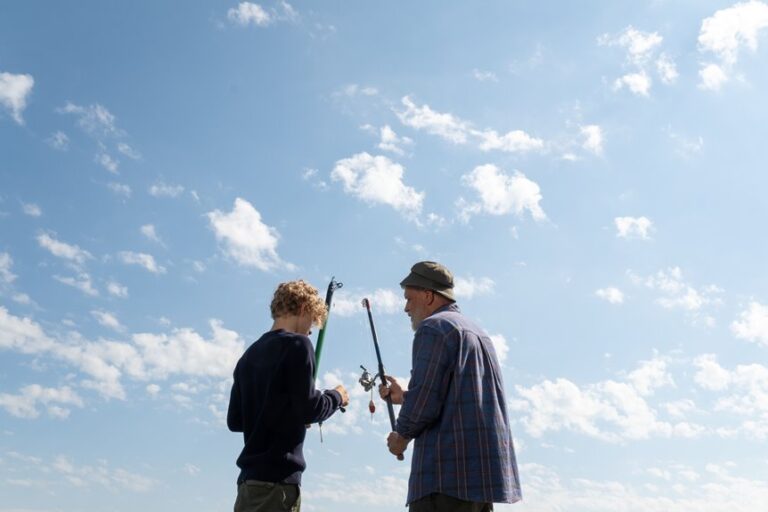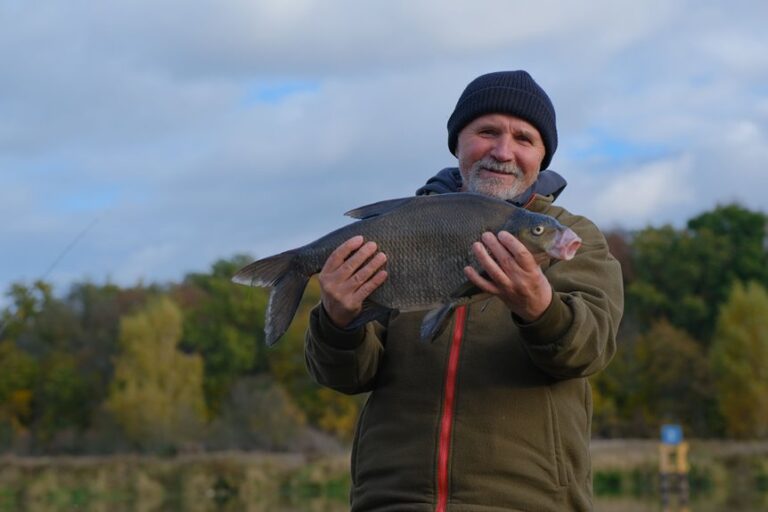

Heading out to a lake or river calls for smart prep and steady attention for a safe, enjoyable trip. Check the weather, water reports, and any local closures before leaving. Wear a properly fitted life jacket, non-slip shoes, sun protection, and keep a waterproof phone or radio within reach. Keep your area tidy, watch for boat traffic and slippery banks, and secure hooks and gear away from children. Have a clear plan for emergencies and communicate it with everyone on the outing.
Check Fishing Conditions Before You Go
Before you head to the water, take a few minutes to check the fishing conditions, because that small step can save you a lot of stress later. Whenever you know what the lake or river is doing, you can feel calmer and more ready to join the crew on shore.
Look at the weather, water clarity, and current strength so you can choose a safer spot and a better time. In case rain is coming or the water looks muddy, adjust your plan before you leave home.
Also, ask local anglers or check reports for recent changes, since one quick update can help you avoid surprises. That simple habit keeps you in the loop and helps you fish with confidence, not worry.
Wear Essential Fishing Safety Gear
Once you’ve checked the water and weather, make sure you gear up so you can stay safe and focus on the fishing, not on small accidents.
A snug personal flotation device is your best friend on any lake or river, even though you’re a strong swimmer.
Wear eye protection to block hooks, spray, and bright glare, so you can see clearly and keep your cool.
Choose shoes with firm grip, because wet rocks and slippery banks can challenge anyone’s balance.
Add gloves should you handle lively fish or sharp tackle, and wear sun-safe clothes that cover your skin.
Whenever you dress for the day, you help the whole crew stay confident, comfortable, and ready for a better catch.
Fish Safely From Shore or Dock
Along the edge of a shore or dock, a little caution goes a long way, and it can turn a good fishing trip into a safe one.
You should check the ground before you step, because loose boards, slick rocks, and concealed holes can ruin your rhythm fast.
Wear proper footwear with strong grip, so you stay steady whenever the surface feels damp.
Keep your tackle organized close nearby, since clutter can trip you while you’re focused on a bite.
In case you fish in the sun, consider shade placement beforehand, so you can rest without crowding the edge.
Also, keep your line clear of walking paths, and give yourself room to cast with ease.
Whenever you move with care, you fit right in and enjoy the day.
Watch for Boats and Fast Water
Water can change fast, so keep your eyes moving every time you fish near a busy channel, river bend, or open dock. You belong out there, but you also need to read the water like a teammate. Give boats plenty of room, because boat wakes can rock your spot and knock your balance. Whenever a larger boat passes, brace yourself and hold your gear close.
Then watch for current convergence where two flows meet, since that spot can tug harder than you expect. In case you fish from a bank, step back from slippery edges and pick a stable stance. Also, keep your line clear of traffic so your cast doesn’t turn into a hassle. With steady attention, you can fish confidently and stay part of the scene.
Prepare for Weather Changes
Before you head out, check the weather forecast so you know what the sky could do while you’re fishing.
In case rain or strong wind could move in, pack a rain jacket and wind gear so you stay dry and comfortable.
A quick glance at the forecast and a little extra packing can help you keep fishing without a rough surprise.
Check Weather Forecasts
Even a calm morning can change fast on the water, so checking the weather forecast should be one of the initial things you do before a fishing trip. You belong on the water best whenever you stay ahead of changes, not chase them. Read the hourly forecast, then look for satellite alerts that flag storms or sudden wind.
After that, do quick microclimate checks for your lake or river area, since valleys, shorelines, and open stretches can behave differently. | Check | Why it helps |
| Forecast | Shows rain, wind, and timing |
|---|---|
| Alerts | Warns you promptly about fast changes |
| Local conditions | Reflects your exact spot |
If the sky looks harmless, keep watching. A small shift can build quickly, and your plan should move with it. That way, you fish with confidence and stay connected to the crew.
Pack Rain And Wind Gear
Grab your rain and wind gear before you head out, because a fishing trip can turn chilly and messy fast as the weather shifts. You’ll feel better whenever you pack waterproof layers, windproof shells, and a hat that keeps spray off your face.
Slip a compact rain jacket into your bag, and keep dry socks in a sealed pouch. Then, choose clothes that breathe, so you stay warm without feeling trapped.
Should the wind pick up on the lake or river, add an extra shell and zip it all the way up. That small step helps you stay focused on the cast, not the cold.
Once you’re prepared, you fit right in with other smart anglers who know comfort keeps the day fun.
Avoid Injuries From Hooks and Tackle
You can avoid painful hook mishaps through checking your hook prior to each cast, keeping sharp tackle pointed away from your body, and using pliers whenever you need a better grip.
Store lures, hooks, and weights in closed tackle boxes so they don’t roll around and surprise you later.
Also, make sure you’ve got a clear casting space, because a safe swing gives you room to fish without tagging your shirt, skin, or fishing buddy.
Hook Handling Basics
A safe cast starts before your line ever hits the water, and hook handling is a big part of that. You belong on the water whenever you move with care and trust simple habits. Keep the point turned away from your body and your fishing partner.
Whenever you bait or unhook a fish, use barbless hooks provided you can, since they slip free faster and cut the chance of a deep puncture. Light glove techniques also help, especially whenever your hands feel wet or cold. Hold the fish firmly, but never squeeze near the hook.
Should the hook snare clothing or skin, stay calm and ask for help. With steady hands and clear focus, you protect everyone nearby and keep the trip relaxed.
Tackle Storage Safety
Out of sight should also mean out of harm’s way, because loose tackle can turn a calm fishing day into a painful one fast. You keep hooks, sinkers, and lures in lockable boxes so they don’t roll underfoot or snag fingers as you reach for gear.
Sort sharp items into small labeled trays, and place softer items beside them. That simple habit helps you stay calm and ready, not rushed and frustrated.
For corrosion prevention, dry each piece before you pack it away, and add silica packs or rust guards to the box. Then check your storage after each trip, because one bent hook can poke through a pocket and ruin your mood.
Whenever you organize with care, you protect yourself and everyone sharing your fishing circle.
Safe Casting Space
Before you make the initial cast, take a quick look around and give yourself room to move. You and your fishing buddy both need a safe bubble, so agree on clear casting prior to the line leaving the rod. Check behind you, beside you, and overhead for people, pets, low branches, and gear.
Should the bank feel tight, step to a better spot instead of forcing it. Good vegetation avoidance matters too, because weeds and brush can snag hooks and swing them back at you.
Keep your tackle organized, hold the rod steady, and cast smoothly, not hard. Once kids or new anglers join you, show them where to stand and wait. A little space now keeps everyone relaxed, confident, and hooked on fun, not on trouble.
Keep Kids and Beginners Safe
Kids and beginners need extra care on the water, because even a short fishing trip can turn stressful should someone feel tired, scared, or unsure.
You can build confidence by setting clear supervision norms before you cast, so everyone knows who stays close and who watches the shore.
Keep lifejackets mandatory for kids and new anglers, even in calm water, because comfort can change fast.
You should also show how to hold a rod, where to stand, and at what point to step back from hooks, since small habits prevent big worries.
Next, give simple jobs like holding tackle or watching the float, which helps them feel included.
Once you remain calm, patient, and nearby, your group feels safe, welcome, and ready to enjoy the day.
Know What to Do in an Emergency
Provided that something goes wrong on the water, staying calm helps you act faster and protect everyone around you.
Initially, check for danger, then move your group to a safer spot in case you can do it without risk.
Should someone be hurt, call emergency services right away and give your exact location, nearby landmarks, and what happened.
Keep your phone dry and charged before you launch, so help is easier to reach.
Next, use your whistle, bright clothing, or a flashlight to signal for help.
Should the shoreline be crowded, ask nearby people to guide rescuers.
You should also know evacuation routes before you leave, since a quick exit can save minutes as stress runs high.
Whenever you stay prepared, your fishing crew feels safer and more connected.
Follow Local Fishing Rules
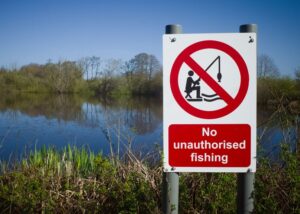
Once you fish in a new place, local rules can make the difference between a smooth day and a costly mistake. You fit in faster provided you check licenses, bag limits, and gear rules before you cast. That shows you care about the lake, the river, and the people who share them. Respect private property, because a gate or sign means stop, even assuming the bank looks perfect. Also watch for seasonal closures, since fish need time to recover and grow.
| Rule | Why it matters |
|---|---|
| License | Keeps you legal |
| Bag limit | Protects fish stocks |
| Private land | Avoids conflict |
| Seasonal closures | Supports recovery |
| Gear limits | Prevents harm |
Whenever you follow the local code, you earn trust and feel like part of the angling community.
Frequently Asked Questions
What Fish Species Are Common in Lakes and Rivers?
You’ll often find bass species, panfish varieties, trout, catfish, perch, walleye, and carp in lakes and rivers, so you can choose waters where your favorite catch feels right at home among familiar anglers.
How Do I Choose the Best Bait for Different Fish?
You choose bait like a key for each fish’s door: match natural baits to local appetites, then try artificial lures whenever they are picky. You will fit in faster with anglers, and your catch will show it.
What Fishing License Do I Need for My Area?
You’ll need your state’s resident permits or nonresident license, plus any local boundary regulations for the waters you fish. Check your wildlife agency online so you fit in, stay legal, and fish confidently.
When Is the Best Time of Day to Catch Fish?
You’ll usually catch more fish in the morning and late evening, when they’re acting like they own the place. Join the savvy crowd, cast then, and you’ll fit right in with nature’s picky breakfast club.
How Can I Clean and Store My Catch Properly?
You can clean your catch by icing it quickly, using clean gutting techniques, then rinse and pat dry. Pack fillets using vacuum packaging methods, label them, and freeze them so you are ready to share great meals together.