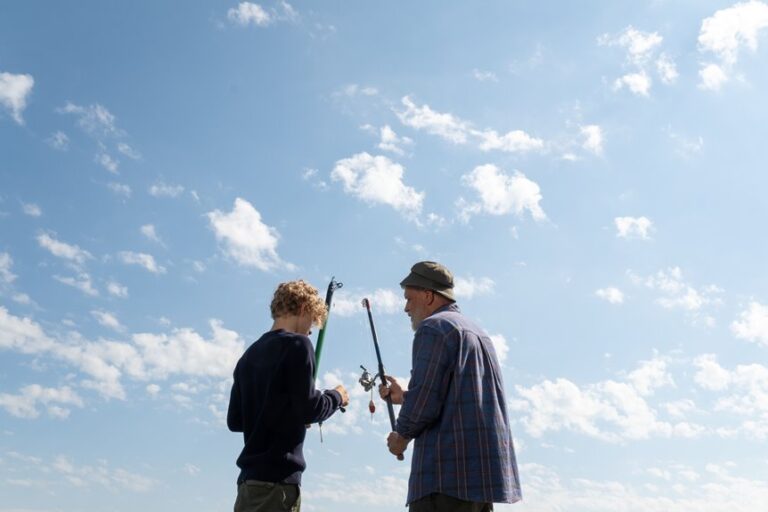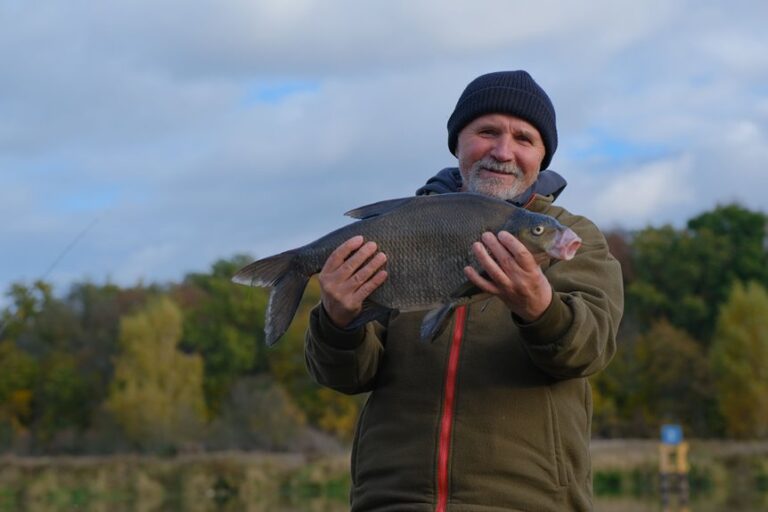

Fish shift locations and feeding patterns with small changes in light, temperature, and water color. Spotting those cues turns seasonal fishing from guesswork into predictable routines. Spring brings active shallow feeding as waters warm and bait moves near shore. Summer pushes many species deeper or to shaded structure to avoid heat and bright sun. Fall and winter slow activity, with fish grouping near food sources and holding at specific depths for energy conservation.
What Shapes Seasonal Fishing Patterns?
As the seasons change, so does the water around you, and that change shapes where fish feed, hide, and move. You feel it in cooler mornings, warmer afternoons, and shifting light. These changes trigger migration cues, therefore fish start heading to safer depth, gentler current, or warmer edges.
At the same time, prey availability changes as insects, baitfish, and minnows appear in new places, and fish follow that food. Wind, rain, water clarity, and temperature also guide their choices.
Whenever you pay attention, you stop guessing and start reading the water like a local. That confidence matters. It helps you choose better spots, make calmer decisions, and feel like you belong out there with the fish, not just beside them.
Spring Seasonal Fishing Patterns
As spring warms the water, fish shake off their winter habits and move with a little more purpose. You’ll notice this shift most in shallow bays, creek mouths, and weed edges, where spawning migrations begin to shape daily feeding.
| Water Clarity | Fish Mood | What You Notice |
|---|---|---|
| Clear | Cautious | Longer pauses near cover |
| Stained | Bold | Faster movement along banks |
| Warmed Shallows | Active | Frequent surface breaks |
Once aquatic insect emergence starts, small fish follow, and bigger fish stay close to the action. That’s why you might feel like you’re finally “in the right crowd” whenever you fish these spots. Stay patient, watch for subtle swirls, and trust the water’s warming trend. Spring rewards anglers who read small changes and move along with them.
Best Spring Baits and Lures
As spring warms the water, you can start with spinnerbaits in shallow areas because they flash, move fast, and trigger strikes.
In case fish hold near rocks, logs, or ledges, jigs can help you work those spots with a slower, more tempting presentation.
And once fish stay tucked under weeds, docks, or brush, soft plastics let you slip a bait right into cover without spooking them.
Spinnerbaits For Shallow Water
Spinnerbaits can save your spring fishing trip, especially in shallow water where bass often move up to feed and recover after a long winter. You fit right in when you throw one across warm banks, flooded grass, and dock edges. Keep your retrieve steady, then add a quick pause whenever the water cools. In case the light is low, use bright blades. Once the sun gets up, choose a more natural color. Blade baits and buzz baits can work too, but spinnerbaits give you more control in tight places.
| Water Condition | Best Choice |
|---|---|
| Muddy | Bright spinnerbait |
| Clear | Natural color |
| Windy | Thumper blade |
| Calm | Single willow |
| Warm front | Slow roll |
You’ll feel more confident with every cast.
Jigs For Structure Feeding
Jigs shine in spring because they let you pick apart structure with calm, steady control. You can work them along rock piles, bridge pilings, and dock edges where fish feed with purpose.
Start with vertical presentations whenever the water runs cool, then let the jig fall on slack line so it looks natural. Weighted hooks help you stay in contact with the bottom and keep the bait in the strike zone longer.
You’ll often get bites on the drop, so stay ready and keep your line tight. Should the wind pick up, slow your cadence and feel each tap through the rod.
This style feels simple, but it gives you the confidence to fish like you belong there.
Soft Plastics For Cover
Soft plastic craws and baitfish shapes really shine around cover in spring because they slip into tight places without spooking fish. You can pitch them to bushes, docks, and laydowns, and let them fall slow enough for a hungry bass to notice. Whenever you want a softer touch, try finesse worms on light line. Provided the fish want a bigger meal, switch to creature baits and work them through the thick stuff.
- Skip them under shady limbs
- Deadstick them beside posts
- Swim them over grass edges
- Shake them in pocket openings
- Recast after every missed bite
That mix helps you stay part of the game whenever fish get picky. You’re not guessing. You’re matching the cover, and that makes your day feel a lot less lonely.
Summer Seasonal Fishing Patterns
Summer fishing changes fast as water temperatures rise, and you’ll often find fish holding deeper or near shade to stay comfortable.
Early in the morning, they’re usually more active, so you’ve got a better shot at catching them before the day heats up.
Should you time your trip right, you can beat the sun and the fish perhaps just cooperate.
Summer Water Temperatures
Often, the initial clue that fish are changing their habits is the water itself.
In summer, you’ll notice surface stratification, and that warm top layer can push fish into cooler zones.
As temperatures rise, metabolic rates speed up, so fish need more oxygen and more rest.
You can use that shift to feel more connected to the lake and to the fish you’re chasing.
- Check depth changes near drop-offs
- Watch for shade from docks and weeds
- Look for cooler inflow areas
- Match your bait to slower fish
- Keep your gear ready for small moves
When you read the water this way, you’ll fish with more confidence and fit right in with anglers who notice the same quiet clues.
Early Morning Feeding
Before the sun climbs too high, fish often move up to feed, and that short window can feel like a gift should you be ready for it. At daybreak, you can join the dawn bite via fishing shady banks, points, and flowing water. Fish follow nocturnal movements, so they often stay active right after initial light. Use quiet casts, light lines, and small lures that match the calm mood.
| Clue | What you do |
|---|---|
| Ripples | Cast just past them |
| Birds diving | Fish beneath the bait |
| Low light | Slow your retrieve |
| Warm breeze | Work deeper edges |
When the water stays cool, you’ll feel more in step with the lake, and that helps you settle into the same rhythm as everyone else chasing summer bass.
Where Fish Hold in Hot Weather
Where do fish go once the water turns hot and the sun starts pressing down? You’ll find them where they feel safe and fed. In your local spots, look for thermal refuges and oxygen pockets that cool their bodies and keep them active.
- Deep holes beside flats
- Shady bridge pilings
- Wind-blown points
- Spring seeps and creek mouths
- Thick weed edges
Fish often slide tighter to cover, then rest near moving water that brings fresh oxygen. Should you fish with your crew, check cooler layers first, then work upward slowly. You don’t need to guess as much whenever you read the water. Small changes matter, and you’re part of the anglers who notice them.
Fall Seasonal Fishing Patterns
As fall cools the water, you’ll notice fish moving with the changing temps and shifting where they feel safest.
You can catch some of the best bites during short feeding windows, whenever fish rush to eat before winter slows them down.
Initially in the season, you’ll often find them shallow, but as the water keeps cooling, they slide deeper and you’ll need to follow them.
Cooling Water Movements
As autumn begins to chill the water, fish don’t just drift around aimlessly, and that’s good news for you. They follow thermal currents that stay a touch warmer, and they line up along density fronts where water layers meet. Once you learn these moves, you feel less lost and more like part of the right crowd.
- Watch wind-blown banks.
- Check creek mouths.
- Cast near steep drops.
- Work middepth edges.
- Slow down your retrieve.
These spots often hold steady temperature shifts, so fish can save energy while staying comfortable. You don’t need magic gear, just patience and a sharp eye. Should your initial cast misses, stay calm. The water’s changing, and your next move can put you right where the school is already gathering.
Feeding Frenzy Windows
Once the fall chill settles in, fish often hit a brief but exciting feeding window, and that’s then you want to be ready. You’ll feel it as the water goes quiet, then suddenly comes alive.
On these days, fish chase harder, hold less, and trust less. So keep your line in the water during the noon lull, because the action can flip fast.
A soft overcast, a light breeze, or a lunar influence can tighten that window and make every cast count. Stay close with your crew, watch for quick misses, and answer with a clean, steady retrieve.
You don’t need to outthink the bite. You just need to stay present, stay patient, and enjoy the rush once the school turns on.
Shallow To Deep Shifts
In fall, fish often start slipping from skinny water into deeper spots, and you can use that move to stay on fish instead of chasing ghosts all day. As you read the water, you feel like part of the crew, not a guesser on the bank. Watch for shoreline retreats after cool nights, then work the drop close to cover.
- Probe points that fall fast.
- Fish creek mouths and channel bends.
- Check thermocline migrations in lakes.
- Slow down near brush piles.
- Match bait moving off flats.
Next, slide your lure from shallow to deep in small steps. That simple pace helps you meet bass and walleyes where they’re settling, and it keeps your casts tight when the season changes.
Best Fall Baits and Lures
A few smart bait choices can turn a slow fall day into a strong bite, and that’s good news as the water starts cooling down.
You can lean on natural colors and smaller profiles because fish still want an easy meal.
A minnow rig works well whenever baitfish school near points, docks, or weed edges.
Should you like flies, an alder fly can shine in clear water and pull strikes whenever trout feed close to shore.
Soft plastic grubs, small crankbaits, and spoons also help you cover water fast.
Match your bait to the local forage, then stay patient and keep moving until you find the group.
That rhythm helps you fish with confidence and feel like you belong out there.
Winter Seasonal Fishing Patterns
Once fall tactics stop working, winter asks you to slow down and fish with more care. You’re not chasing every bite; you’re joining a patient circle of anglers who trust the cold. Ice anglers know that small moves matter, and they keep setups simple and tight. You can focus on pockets, ledges, and deeper cover where fish often rest.
- Use smaller baits.
- Fish slower than usual.
- Stay ready for short windows.
- Watch for nocturnal activity.
- Keep your gear quiet.
As daylight fades, you might find more action near safe access spots, and that calm rhythm helps you belong on the water with the crew. Whenever you match the season, winter starts feeling less harsh and more like your lane.
How Weather Changes Fish Behavior?
Weather can change fish fast, and that means your plan has to flex with the sky. Whenever clouds roll in, fish often feel safer and roam closer to shore or cover.
A drop in barometric pressure can nudge them to feed more, while a quick rise might slow them down and make them cautious. Wind driven currents can stack bait in one spot, so you’ll want to watch for seams, points, and calm pockets.
Rain can soften clear water and help you stay concealed, but heavy runoff can muddy the bite. You fit right in once you read these shifts, because each little change gives you a clue.
Stay alert, adjust your cast, and let the weather work with you, not against you.
Best Times to Fish by Season
Now that you know how changing weather can stir fish up, you can use the seasons to sharpen your timing even more. You’ll feel more confident whenever you match your trips to fish habits and the rhythm of each season.
- Spring: Fish feed hard in warming shallows.
- Early summer: Try dawn and dusk before heat builds.
- Midday summer: Look for shade and moving water.
- Fall: Fish chase bait longer, so stay flexible.
- Winter: Fish often bite best during short warm spells.
Also, watch tide timing near coastal spots, because moving water can wake fish up fast. Moon phases help too, since brighter nights can shift feeding windows. Whenever you plan around these clues, you join the anglers who seem to always be in the right place.
Choosing Tackle for Each Season
As the seasons shift, your tackle should shift with them, because fish don’t just change where they feed, they also change how they react to your gear. In spring, you can lean on lighter lures and softer hooks that feel natural in your hands and in the water.
Come summer, you might want tougher line and stronger hardware for bigger fights and busy days. In fall, choose versatile setups that let you switch fast whenever the bite turns picky.
In winter, keep your rig simple and compact so you stay calm and ready. Take time for line winding before each trip, and check knot strengthening so every cast feels secure. Once your tackle matches the season, you join the rhythm of the water, and that feels good.
Reading Water Clarity and Temperature
Clear water and warm or cold water each send you a different message, so it helps to read both before you cast. You’re not guessing out there; you’re joining the water’s rhythm. Watch for clarity gradients, where stained edges meet cleaner lanes, because fish often use those shifts like cover. Then check temperature with your hand, a tool, or your sonar, since a small change can move them.
- Clear water calls for lighter line and softer movement.
- Dingy water lets you use brighter color and louder action.
- Sudden cool pockets can hold fish tight.
- Warm shallows often change fast after sunrise.
- Temperature stratification can stack fish at one depth.
When you notice these clues, you’ll feel more at home on the water.
How Seasonal Patterns Vary by Species?
Different species don’t follow the same seasonal script, and that’s why one lake can feel full of clues while still leaving you skunked provided you target the wrong fish. You’ll do better whenever you match your plan to each species’ timing.
Bass often slide shallow with warming water, while trout stay cooler and move with current and bait. Panfish might feed near weeds, then shift again after cold fronts.
In spring, spawning triggers push fish into tight windows, so you need to watch water temps and daylight. Later, juvenile migrations can bring baitfish to new cover, and predators follow fast. Should you learn these patterns, you’ll stop guessing and start fishing with the crew that knows just when the bite really turns on.
Frequently Asked Questions
How Do Moon Phases Affect Seasonal Fishing Success?
Moon phases nudge fish like a tide pulled compass; you’ll see stronger lunar feeding during full and new moons, and more nocturnal bites. Join the savvy crew, and you’ll time your casts for better seasonal success.
Can Rain Improve Fishing During Any Season?
Yes, rain can improve your fishing in any season. You’ll often find fish feeding hard during post storm conditions, and insect hatches can spark extra action. Trust the water, stay connected, and fish with confidence together.
How Should I Plan a Multi-Day Seasonal Fishing Trip?
You should map weather, water temps, and bite windows, then pack gear rotation and campsite logistics initially. Do not worry whether plans feel tight; your crew can adapt together and still fish confidently, day after day.
Do Fishing Regulations Change With Seasonal Patterns?
Yes, they often do. You’ll need to check local rules for bag limits, spawning closures, and seasonal openings. Staying informed helps you fish legally and keeps you part of the responsible angling community.
How Do Tides Influence Seasonal Fishing in Coastal Waters?
Tides can make or break your day; they turbocharge fishing by steering fish with tidal currents and triggering estuary migration. You’ll read the water, join the right bite, and feel like you belong.