
Before launching a boat, walk around and confirm the trailer, hitch, tires, lights, and drain plug are secure. Check battery charge, fuel level, engine oil, and other fluids for proper condition. Test the horn and steering, verify navigation lights, and inspect lines, fenders, and anchor. Stow and secure loose gear to prevent shifting during transit. One final walkthrough of these items can prevent delays, damage, or safety hazards on the water.
Review Your Pre-Launch Checklist
Before you back the trailer toward the ramp, take a calm minute to review your pre-launch checklist, because that small pause can save you from a messy start. You’re part of the crew now, so move through your launch sequence with steady focus.
Check that life jackets are on board, the drain plug is in, and the battery switch is ready. Then confirm the keys, lines, and fuel are where you expect them.
Next, glance at the weather, the water, and your route so nothing catches you off guard. In the event something feels off, stop and fix it before you roll ahead.
You’ll also want to know your emergency procedures, so you can act fast should plans change. A careful check helps everyone feel confident and ready.
Inspect the Trailer and Hitch
Now that your checklist looks solid, shift your attention to the trailer and hitch, because this is where a lot of launch-day stress can sneak in. You want to feel ready, not rushed, and a quick trailer check helps your crew stay calm and confident. Confirm hitch alignment, then lock the coupler so it sits tight. Check safety chains for crosses and slack, and make sure they’re secure. Look at tire pressure so the ride stays steady on the way to the ramp. Then feel for wheel heat and listen for rough trailer bearings, since small issues can grow fast.
- That moment of doubt fades once things line up.
- Your group feels safer if you catch problems promptly.
- A smooth tow keeps everyone smiling before the water even starts.
Test the Lights and Signals
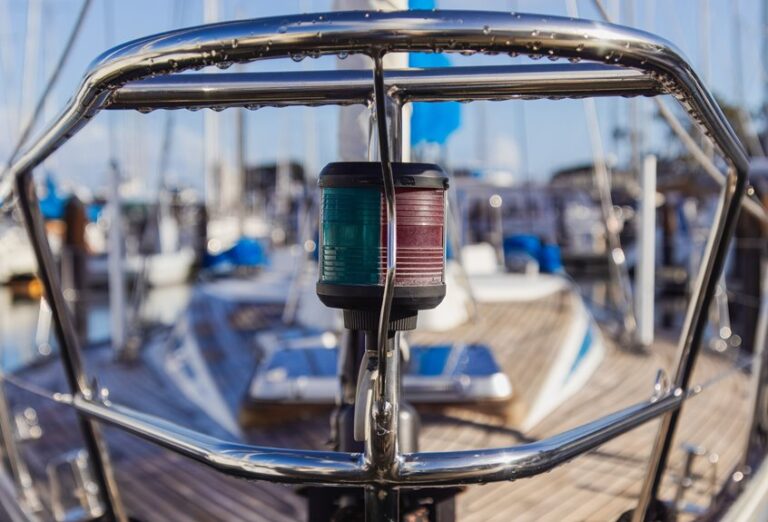
Before you launch, check that your navigation lights work the way they should, since other boaters need to see you clearly.
Then trial the horn and any other signals so you can warn people and stay safe on the water.
A quick check now can save you from a stressful surprise later.
Navigation Light Check
Always inspect your course lights and signals with the boat’s power on, because a quick check now can save you from confusion and danger later. You’re helping your crew feel ready, calm, and included when every light works as it should.
Check the steering circuits initially, then look at each bulb and position lenses for cracks, fog, or loose fit. Make sure the red, green, and white lights glow clearly and match their spots. Should one seem dim, clean the lens and verify again.
- A working light can ease that tight feeling before you leave the dock.
- Clear signals help everyone on board trust the plan.
- Small fixes now can keep your group steady and proud on the water.
Horn And Signal Test
A quick horn trial can spare you a lot of guesswork once you’re out on the water. Press the button and listen for a clean, strong blast from your air horn. Provided it sounds weak, crackly, or delayed, fix it before you leave the dock.
Then check your other signals, like the whistle, lights, and any hand-held backup gear, so you know every warning tool works together. This step helps you follow signal etiquette and keeps you in sync with nearby boaters.
You don’t want to be the person with a silent horn during a busy channel. Ask a friend to stand nearby and confirm the sound carries well. Whenever your signals respond fast, you can launch with confidence and fit right in.
Confirm the Battery Is Charged
Before you launch, check the battery voltage so you know it has enough power for the trip.
Then inspect the battery connections and make sure they’re clean, tight, and free of corrosion.
A quick check now can save you from a quiet engine and a big headache later.
Check Voltage Level
Flip on your battery checker and take a quick look at the voltage, because that small number can tell you a lot about whether your boat is ready to go. Whenever you read the meter, you’re checking battery health and seeing whether the charge can carry you through the day.
A strong reading helps you feel calm at the dock, and it keeps your crew in that easy, confident mood. Should the number look low, pause and let your charging system do its job, since alternator output should bring it back up after running.
- You avoid that sinking feeling of a weak start.
- You keep your trip plans in the safe zone.
- You join other boaters who launch with confidence.
Inspect Battery Connections
Even though the voltage looks right, you still want to inspect the battery connections so your boat starts without drama. Open the compartment, then check that each cable sits tight on the posts. Should you see terminal corrosion, clean it off with a proper brush and dry cloth.
Next, confirm the connection torque feels snug, not loose, because shaky clamps can steal power when you need it most. You should also look for cracked insulation, bent terminals, or green buildup, since small problems can grow fast on the water.
In case your battery has a hold-down strap, make sure it’s secure too. That extra minute gives your crew a better start and keeps everyone feeling ready, calm, and part of the same smooth trip.
Check Fuel, Oil, and Fluids
Your boat’s engine depends on clean fuel, the right oil level, and steady fluid supply, so take a close look at each one before you launch. Check the tank for enough fuel, then inspect lines and caps for leaks or cracks. Should your engine call for fuel additives, use the right kind before you head out.
Next, confirm the oil sits in the safe range and matches the maker’s oil viscosity. Clean, proper oil helps your engine feel ready, not strained.
- You avoid that sinking feeling whenever the gauge drops too fast.
- You keep your crew calm because the boat feels prepared.
- You start the day with trust, not worry.
Finally, top off other fluids your engine needs, and wipe away any spills so you can launch with confidence.
Pack Required Safety Gear and PFDs
Before you leave the dock, gather every safety item you may need so nothing catches you off guard once you’re on the water. Pack life jackets for everyone, and make sure each one fits well and feels ready to wear. Do a quick PFD inspection for tears, broken straps, or faded labels.
Next, build an Emergency kit with a flashlight, whistle, initial aid supplies, sunscreen, and spare batteries. Add a waterproof phone pouch, flares, and a small tool set should your boat allow it. Keep these items in a dry spot you can reach fast, not buried under gear. Provided everyone knows where the safety gear lives, the whole crew feels calmer, safer, and more like a team.
Check Plugs, Bilge, and Drains
Once the safety gear is packed, turn to the parts of the boat that keep water where it belongs. Check the Drain plugs first. Make sure each one is tight, seated, and easy to spot before you launch. A missing plug can spoil a good day fast, so give it a quick hand check.
Next, look at the bilge. It should be dry or only lightly damp, not full of standing water or fuel smell. Inspect the Bilge pumps so you know they’ll move water when you need them.
- You feel ready, not worried.
- Your crew gets a smoother start.
- Your boat feels cared for and trusted.
Then inspect the drains for clogs or loose fittings. When you take these small steps, you help protect everyone on board and join the launch with confidence.
Inspect Lines, Fenders, and Anchor
Before you launch, check your dock lines for frays, tight knots, and enough slack to keep the boat secure.
Then look over your fenders and anchor so they’re clean, ready, and easy to deploy whenever you need them.
A quick once-over now can spare you a messy surprise at the dock, and that’s one hassle you don’t need.
Check Dock Lines
Give the dock lines a quick once-over, and don’t forget the fenders and anchor while you’re at it. Check that each dock line feels strong, dry, and free of chafe, because good line materials help you protect your boat and your crew’s calm. Whenever you tie off, follow dock etiquette so everyone on the pier feels respected and safe. Should a line looks stiff, frayed, or sun-worn, replace it before you head out. You’re part of a boating group that looks out for one another, and tidy lines show that care.
- A neat dock setup can make you feel ready.
- Strong lines help you trust the moment.
- Shared courtesy keeps the whole dock peaceful.
Inspect Fenders And Anchor
Now that your dock lines look solid, turn your attention to the gear that helps keep the boat steady and protected. Check each fender for cracks, flat spots, and loose straps so it can cushion the hull whenever you brush the dock. Make sure the rope length lets the fender hang at the right height, not too high or dragging in the water.
Then inspect your anchor setup with care. Look for rust, bent flukes, and worn shackles, and confirm the anchor rode type matches your boat and bottom conditions. You want the rode to run smoothly and store neatly, because a tangled mess never helped anyone feel ready. Once this gear is sound, you and your crew can launch with more confidence and less stress.
Review Weather and Water Conditions
Even though the sky looks clear at the dock, you still need to check the weather and water conditions before you launch, because things can change fast on the water. Start with a weather briefing and look at wave height, current strength, and wind gusts so you know what you’re stepping into. That simple habit helps you feel prepared, not rushed.
- You’ll feel calmer whenever you spot a front prematurely.
- You’ll trust your crew more whenever the plan matches the conditions.
- You’ll avoid that sinking feeling whenever chop builds sooner than expected.
Then compare the forecast with what you see on the water. In case the breeze is stronger than promised or the surface looks rough, wait a bit. Your dockside group will respect that call, because smart boaters watch the sky together.
Secure Gear and Balance the Load
Once the weather looks safe, shift your attention to the gear on board, because loose items can turn into headaches fast. You want everything tucked into stowable storage so coolers, ropes, and tools stay put whenever the boat moves.
Next, check weight distribution across the deck and inside compartments. Should one side feel crowded, move a few items to the other side so the boat sits level and steady. Secure heavy gear low and near the center, where it won’t slide around as easily.
Then, fasten lids, clips, and straps so nothing pops open at the ramp. With a calm, balanced setup, you’ll feel more in control and part of a crew that knows the drill. That confidence makes launch day smoother for everyone aboard.
Do a Final Walkaround Before Launch
Before you back the boat down the ramp, take a slow walk around it and look at everything one more time. This final checklist helps you catch little issues before they turn into big ones, and it keeps you feeling calm with your crew.
- Check the bow inspection one last time for loose lines or gear.
- Make sure plugs, drains, and hatches are closed tight.
- Look at the trailer straps, lights, and safety chain.
- Confirm the motor is ready and the fuel cap is secure.
This quick circle around the boat can ease nerves and build trust in the launch. Whenever you spot a problem now, you save time later and help everyone start the day with confidence.
Frequently Asked Questions
How Early Should I Arrive Before Launching My Boat?
You should arrive beforehand, ideally 30 to 45 minutes before launch, so you can prep calmly, avoid rush, and show good ramp etiquette. You will feel prepared, confident, and welcome among fellow boaters.
Do I Need a Marina Reservation for the Launch Ramp?
You might need one, depending on the marina. Check ahead, because launch fees and marina etiquette vary. If reservations are required, you will fit right in by planning ahead of time and respecting the dock’s shared flow.
What Boating Documents Should I Carry Onboard?
You should carry your registration, required safety certificate, insurance card copy, emergency contacts list, and any local permits. Keep them handy so you can join the boating crowd confidently and handle checks smoothly.
How Do I Know if My Boat Registration Is Current?
Check your expiration date and decal initially. Many states require annual renewal. You are current provided your registration renewal is valid and your sticker placement matches the hull rules. Nearly 70 percent of boaters miss that simple visual check.
Should I Launch With Passengers Already Aboard?
No, you should not launch with passengers already aboard. Load them after you have secured the boat. You will protect passenger safety, follow boarding protocol, and help everyone feel calm, included, and ready together.