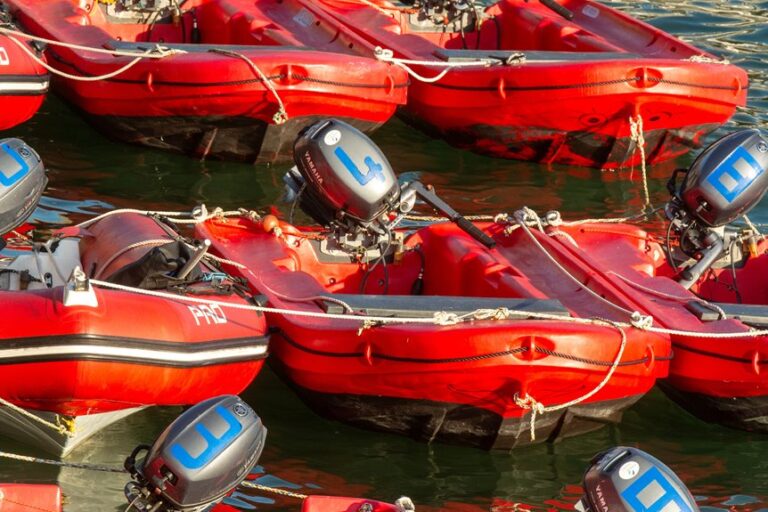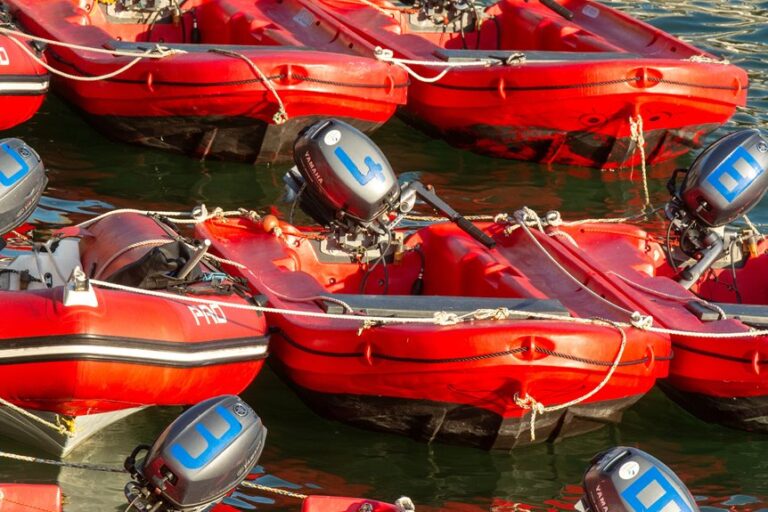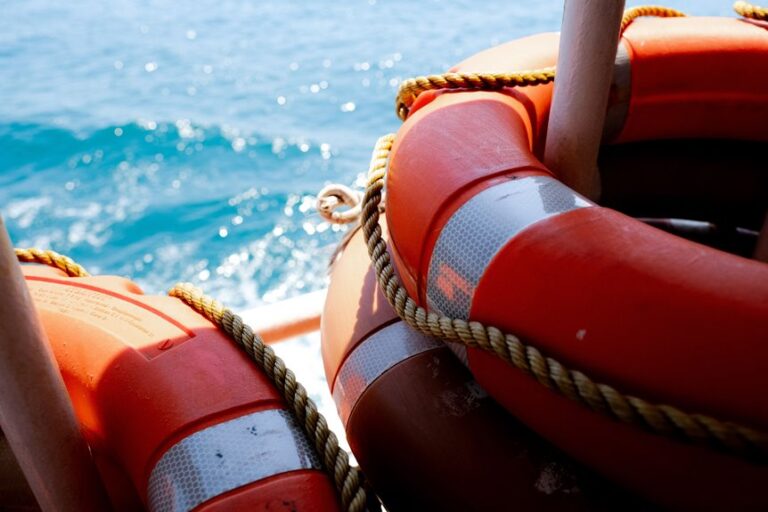

Safe boating begins with thorough pre-departure checks: life jackets, fuel, batteries, and radio. Secure loose gear and assign clear roles so everyone knows what to do. Plot your route on updated charts, note hazards and fuel stops, and keep weather and sightlines under constant review. Maintain a vigilant lookout and adjust speed to conditions; small decisions affect safety. With preparation and attention, time on the water stays enjoyable and far safer for everyone aboard.
Get Your Boat Ready to Navigate Safely
Before you leave the dock, take a careful walk around your boat and make sure everything is ready to work the way it should. You’re part of a crew whenever you do this, even provided you’re sailing with family or friends.
Start with your pre departure checklist, and don’t rush it. Check life jackets, lines, fuel, batteries, and lights, then look for loose gear that could shift or fall.
Next, do an engine inspection and listen for any odd sounds once you start it. Feel confident so long as everything seems steady.
In case something looks off, fix it now, not later. A few quiet minutes at the dock can save stress on the water, and that’s a smart way to keep your group safe and ready.
Read Charts and Markers
Charts and markers give you the clearest image of where your boat is and what’s ahead, so it’s worth slowing down and reading them with care. Whenever you study the chart, you join a group of careful boaters who trust the map before they move. Pay close attention to chart symbols, because they show rocks, channels, and shallow water. Then match them with the buoys around you, since buoy meanings tell you where to pass, slow down, or stay clear.
- Check the chart before you enter new water.
- Compare symbols with what you see nearby.
- Watch for color, shape, and number on each buoy.
- Move only once the route makes sense.
If something feels unclear, pause and look again. That small habit keeps your trip calm and your crew confident.
Keep GPS and Compass as Backups
Even on a clear day, your GPS and compass can save the trip from getting messy. Keep both within easy reach, so you can check them fast whenever the water gets busy.
Your backup electronics help you confirm your position in case the main unit freezes or loses power. A magnetic compass gives you a steady heading whenever screens act up, and it still works whenever batteries quit.
Trust both tools together, not one alone. Then you can spot small errors before they turn into big detours.
This simple habit helps you stay calm, feel capable, and move with the crew like you belong there. Once conditions change, you’ll have a steady fallback that keeps your ride smooth and your confidence strong.
Plan Your Route Before You Leave
Before you leave, check your charts and maps so you know the water, channels, and shoreline ahead.
Mark every hazard, dock, fuel stop, and safe place to pull in should the weather shifts, and share that route with your crew so everyone knows the plan.
That way, you can move with more confidence and fewer surprises, which makes the whole trip feel a lot calmer.
Check Charts And Maps
A good route starts with a close look at your charts and maps, because they can save you from a stressful surprise on the water. You’re not just checking paper; you’re building trust in your trip. Use update editions so your view stays current, then add print overlays when you need extra detail. That little habit helps you feel ready, not rushed.
- Compare the chart to your planned course.
- Read depths, channels, and scales closely.
- Match your map with your boat’s size and draft.
- Keep the pages dry, flat, and easy to reach.
When you check each piece, you join a crew of careful boaters who look out for one another. A clear chart makes the whole ride calmer and safer.
Mark Hazards And Stops
Marking hazards and stops on your route can take a little time, but it pays off once you’re out on the water. You can spot shoals, rocks, bridge spans, and busy channels before they surprise you. Then you can observe buoy placement on your chart or app so you stay clear of shallow water.
Add hazard signage near marinas, no wake zones, and restricted areas, since those signs help you read the water like a local. Also, mark fuel docks, lunch spots, and safe anchorages that fit your trip.
Whenever you build these points into your plan, you give your crew a smoother ride and a calmer day. That little extra prep helps everyone feel like they belong out there, even provided the wind gets bossy.
Share Route With Crew
Once you’ve marked the hazards and stops, share that route with everyone on board so no one is guessing once you leave the dock.
During your pre departure briefing, speak clearly and invite questions, because your crew feels safer whenever they know the plan.
Use your crew communication protocol to name turns, anchor points, and backup spots provided weather shifts.
- Show the full route on a chart or screen.
- Point out danger zones and safe channels.
- Assign who watches, steers, and listens on radio.
- Confirm the return plan before lines come off.
Whenever everyone hears the same details, your group moves like a team, not a crowd.
That shared confidence helps you relax, laugh a little, and focus on the water ahead.
Control Speed in Changing Conditions
As the weather shifts, you need to slow down or speed up so your boat stays steady and easy to handle. You should watch the water closely, because choppy waves, strong wind, and currents can change how your boat responds.
Through matching your pace to the water around you, you keep better control and give yourself more time to react.
Adjust Speed for Weather
Start through easing back on the throttle as the weather changes, because safe boating depends on how well you match your speed to the conditions around you.
Whenever clouds build, rain starts, or wind picks up, you need to stay alert and keep your boat under control.
Your visibility judgment matters, so slow down whenever spray, mist, or glare makes it harder to see.
Watch your engine responsiveness too, because quick power changes can help you react without panic.
- Cut speed promptly.
- Give yourself extra time.
- Keep a steady lookout.
- Recheck conditions often.
Match Pace to Water
A calm pace can make all the difference, especially once the water itself starts changing under you. You stay in step with the boat whenever you practice pace matching and listen to the water rhythm. Whenever the surface gets choppy, you ease off; whenever it smooths out, you can build speed with care. That steady adjustment helps you feel included in what the water wants, not pushed around by it.
| Water sign | Your move |
|---|---|
| Small waves | Slow a bit |
| Strong current | Trim speed |
| Tight turns | Ease in |
| Open stretch | Hold steady |
You watch, feel, and adjust together with your crew. That shared calm keeps everyone safer, and it can turn a tense ride into one that feels confident and connected.
Avoid Boats and Water Hazards
Sometimes the safest move is the simplest one: give boats and water hazards plenty of room. You don’t need to prove anything out there. Keep your distance from anchored boats, swimmers, rocks, docks, and marked shallow spots so your crew feels steady and included in the plan.
- Watch ahead for changing traffic.
- Use lookout rotations so someone always scans.
- Practice wake awareness near smaller craft.
- Slow down whenever you see buoys, logs, or tight channels.
If another boat drifts close, stay calm and pass wide. Once you spot a hazard ahead of time, you give yourself time to react without panic. That steady habit helps everyone aboard relax and trust each other on the water.
Steer and Maneuver With Confidence
Grip the wheel with calm hands, and let the boat tell you what it needs. You’re part of the crew now, so trust your feel and keep your eyes ahead. Small wheel turns make smooth moves, and that calm touch helps everyone on board feel steady.
| Control | Use |
|---|---|
| Wheel | Make slow, sure turns |
| Bow thrusters | Nudge the bow in tight spaces |
| Jaw steering | Keep steering steady in close quarters |
When you dock or weave through a marina, plan your path initially, then move with purpose. Should the boat drift, correct it promptly instead of chasing it. That way, you stay relaxed and the people with you feel safe too. Keep your hands light, your pace steady, and your confidence growing with every turn.
Handle Bad Weather on the Water
Once dark clouds roll in, your job gets simple fast: slow down, stay alert, and keep the boat under control. You and your crew can handle rough weather better provided you act promptly and stay calm together.
- Put on life jackets and secure loose gear.
- Turn on visibility aids, like running lights and a horn.
- Check the radio, chartplotter, and weather updates often.
- Use storm drills, so everyone knows where to sit and what to do.
Next, keep the bow into the waves and avoid sharp turns. Should lightning start, head for shore only once you can do it safely. Speak clearly, assign one task at a time, and reassure everyone. Your steady voice helps your group feel ready, not rattled.
Frequently Asked Questions
How Do I Use a Marine VHF Radio in an Emergency?
You call Mayday three times on Channel 16, give your position, nature of distress, and needed help. Keep Channel 16 monitored, speak clearly, and stay calm; you will be heard, and you are not alone.
What Safety Gear Is Required for Night Boating?
You’ll need properly working wayfinding lights, life jackets, a whistle or horn, a flashlight, and personal locator signals. You’ll fit right in on the water whenever you keep everyone visible, connected, and prepared.
How Can I Dock a Boat in Strong Crosswinds?
You’ll dock best by approaching at a shallow angle, keeping speed low, and using bow thrusters to correct drift. Stay calm, ask your crew to help, and you’ll slide in smoothly together.
What Should I Do if Someone Falls Overboard?
You should stop engines, throw a life ring, and keep eyes on the person. Shout for help, assign a spotter, and steer back carefully. You will protect your crew by staying calm, staying connected, and being ready to assist.
How Do I Maintain My Boat’s Engine Before Departure?
Check, inspect, and evaluate your engine before you depart. Use your pre departure checklist, monitor fuel management, change fluids, tighten connections, and listen for odd sounds. You are keeping your crew confident, connected, and ready.