
GPS fish finders make a lot more sense once your trips move beyond casual shoreline casts. You get a clearer view of structure, depth, routes, and waypoints, which helps on unfamiliar lakes, tidal water, and long days when you want less guesswork. The right screen size, sonar type, and mapping tools can turn a crowded dash into something calm and readable. These eight picks cover compact setups, castable sonar, and more advanced chartplotter-style units.
The Shortlist At A Glance

Garmin Striker Vivid 7cv with GT20-TM Transducer

Garmin Striker Cast, Castable Sonar with GPS

Lowrance Elite FS Fishfinder/Chartplotter

Humminbird 411660-1 Helix 5 Chirp GPS G3


Humminbird 411670-1 Helix 5 Chirp DI GPS G3
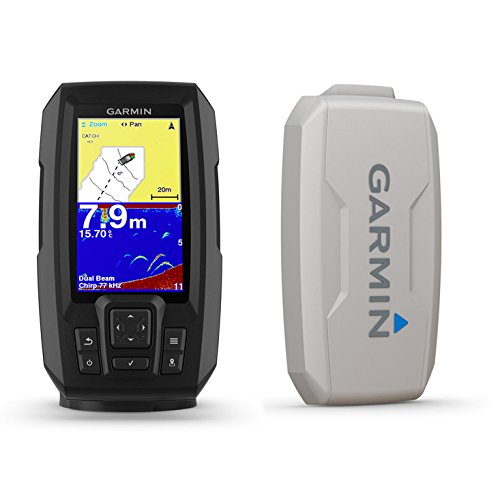
Garmin Striker Plus 4 with Dual-Beam Transducer
More Details On Our Top Picks
A 7-inch color screen gives this Garmin room to breathe, and the vivid palette options make fish and structure easier to separate at a glance. The included GT20 transducer handles traditional CHIRP sonar plus ClearVü scanning sonar, so you get a broad picture without juggling extra gear.
Built-in GPS adds waypoints, routes, and speed readouts, which helps on larger lakes or any trip where you want a paper trail on the water. Compared with the smaller Striker Plus 4, this one feels much more relaxed for split-screen use and longer days at the helm.
What We Like
- 7-inch display gives sonar more breathing room.
- Vivid palette choices help structure stand out faster.
- CHIRP and ClearVü cover two useful sonar views.
- GPS waypoint and route tools suit repeat trips.
- Quickdraw Contours helps you build custom lake maps.
Things To Consider
- The larger screen needs more dash space than the 5-inch Garmin options.
- The GT20 transducer adds capability, but the setup is less portable than the castable Striker Cast.
Feature Snapshot
Who It Suits Best
You benefit most here if you fish from a console boat and want a roomy screen with easy navigation tools.
A Better Fit Elsewhere
Garmin Striker Cast suits bank anglers and kayak anglers better, since its castable format stays more portable than a mounted 7-inch unit.
This one is built for the angler who wants sonar without a fixed dash unit. You cast it, pair it to a phone or tablet, and use the app view to spot fish, which makes it handy on shorelines, docks, and kayaks where mounting gear feels like overkill.
The GPS onboard is a real plus for portable scouting, though the trade-off is obvious, it leans on your mobile device and battery management. Compared with the Garmin Striker Vivid models, you give up the dedicated screen, but you gain a far easier carry-and-go setup.
Highlights
- Castable design keeps the setup portable.
- Phone or tablet viewing fits casual scouting trips.
- GPS adds location awareness during mobile use.
- Useful for bank, dock, and kayak fishing.
Worth Noting
- Your phone or tablet becomes part of the experience, so battery planning matters.
- It lacks the built-in display that some boat anglers prefer.
- Storage and charging habits matter more than with a fixed mount unit.
Details At A Glance
Made For
You get the most from this pick on portable trips where light gear and quick setup matter more than a full console screen.
Swap It Out When
Garmin Striker Vivid 7cv fits better for console boat use, since the built-in display and larger screen are easier to read all day.
The Elite FS leans into serious sonar and chart work, and that matters most for boaters who like to study water instead of just glance at it. Its Active Imaging 3-in-1 package brings CHIRP, SideScan, and DownScan together with FishReveal, so the display has more going on than the simpler Garmin options.
The catch is that this kind of feature depth suits a more involved setup, especially in boats where you plan to use chartplotter tools often. You may find it especially appealing on larger lakes or coastal trips where detail pays off more than a bare-bones interface.
Reasons To Buy
- Active Imaging 3-in-1 packs multiple sonar views.
- FishReveal helps fish stand out against structure.
- Chartplotter layout suits planning and navigation.
- Works for anglers who want more screen information.
- Available with and without a transducer, which helps match different setups.
Room For Improvement
- The feature set is more involved than basic standalone fish finders.
- It makes more sense on boats with room for a chartplotter-style unit.
Core Details
Right Fit For
You should look here for a boat setup where mapping, structure scanning, and a more detailed display all matter on the same trip.
Look Elsewhere When
Garmin Striker Vivid 5cv suits simpler installs better, especially on smaller boats where you want fewer menus and a lighter footprint.
A 5-inch GPS fish finder like this works well on smaller consoles where you want useful data without filling the whole dash. The Helix line has a straightforward feel, so you spend less time chasing menus and more time reading the water.
For weekend anglers and family boats, that balance can matter more than extra layers of imaging. Compared with the Elite FS, it keeps the focus tighter and may feel friendlier when you want a simpler learning curve.
Best Bits
- 5-inch size fits compact console spaces.
- GPS support helps with waypoints and repeat routes.
- Helix layout keeps the learning curve manageable.
- Good middle ground for casual and regular use.
Points To Note
- The 5-inch screen is useful, but it can feel tight for split-screen viewing.
- It suits smaller dashboards better than large helm setups.
Quick Facts
Whose Shelf It Belongs On
You fit this model best if you want a compact Helix unit for regular freshwater use and prefer a simple screen over a dense control layout.
Another Choice May Suit
Lowrance Elite FS suits detail-hungry boaters better, especially those who want more imaging layers and a chartplotter-style setup.
The 7sv pushes harder on search coverage than the 7cv, because SideVü adds a wider look to each pass along the water. That matters on large flats, weed edges, and open stretches where you want to scan more area without making extra runs.
Its built-in GPS and Quickdraw Contours keep the practical side intact, so you still get waypoint and mapping tools alongside the broader sonar view. In most boat setups, this feels like the more search-focused Garmin option, though the wider scan style is more useful than essential for tight backwaters.
Upsides
- SideVü broadens the search area around the boat.
- 7-inch display supports a more comfortable layout.
- Built-in GPS helps with routes and saved spots.
- Quickdraw Contours adds useful mapping flexibility.
- Good fit for anglers covering larger water.
Softer Spots
- Side-scanning helps most on open water, so smaller creeks may not need the extra reach.
- The 7-inch body still asks for real mounting space.
Spec Overview
Built With In Mind
You get the most from this model on larger lakes, broad rivers, or any trip where side-scanning helps you cover more water.
Where A Sibling Pick Shines
Garmin Striker Vivid 7cv is the easier choice for anglers who want a similar screen size but do not need SideVü coverage.
Smaller boats often benefit from a 5-inch screen, and this Garmin keeps that footprint practical without stripping away the useful parts. You still get vivid palette styling, GPS support, and Quickdraw Contours, so the unit stays capable even though it takes up less dash room.
The trade-off is simple, the display is easier to fit than a 7-inch model, but it leaves less room for split-screen layouts and fine detail. For many solo anglers, that’s a reasonable exchange, especially on tiller boats, jon boats, and tight consoles.
Bright Spots
- Compact 5-inch size suits smaller helm layouts.
- Vivid color palettes make the screen easier to read.
- GPS functions add waypoint and route support.
- Quickdraw Contours helps with custom mapping.
- Works well on boats where space is limited.
Minor Gripes
- The smaller screen leaves less room for multi-panel viewing.
- It is less expansive than the 7-inch Garmin units.
Feature Card
The Right Fit
You should favor this one for compact console boats or simple freshwater setups where a smaller screen keeps the helm uncluttered.
Reach For A Different Pick When
Garmin Striker Vivid 7cv suits anglers who want the same easy Garmin feel with a larger display and more room for split views.
Down imaging is the reason this Humminbird stands out, because it filters clutter below the boat into a cleaner picture of structure. The CHIRP processing and Dual Spectrum CHIRP modes give you two search styles, which helps when you want wider coverage one moment and tighter detail the next.
That flexibility suits anglers who spend time studying bottom composition, brush, and edge changes rather than relying on a single wide scan. Compared with the Helix 5 Chirp GPS G3, this DI model leans harder into vertical detail under the hull.
Standout Traits
- Down imaging gives a cleaner look under the boat.
- CHIRP processing helps reduce visual clutter.
- Dual Spectrum modes support broad or focused searching.
- Useful for reading structure and fish-holding spots.
Areas To Watch
- The added imaging focus matters most for anglers who study structure closely.
- A smaller screen can feel busy during split views.
Technical Sheet
Who Should Grab It
You fit this model best if your style leans toward structure fishing and you want a compact Humminbird with focused down-view detail.
Skip It When
Lowrance Elite FS is the better match for anglers who want more total imaging layers and a more chartplotter-heavy layout.
The Striker Plus 4 keeps things plain, and that’s a real strength for small boats, jon boats, and first-time electronics setups. Its 4.3-inch LED screen and dual-beam transducer make it easy to keep an eye on depth and fish returns without crowding the dash.
The protective cover adds a little peace of mind during storage, which matters when gear rides in a truck bed, garage shelf, or tight compartment. Compared with the more feature-heavy Garmin Vivid units, this one is the simplest route for a basic sonar-and-GPS style setup.
Best Bits
- Compact body suits small-craft installs.
- Dual-beam sonar gives you a flexible basic view.
- 4.3-inch display keeps the interface straightforward.
- Protective cover helps during transport and storage.
Small Caveats
- The smaller display works best for simple views rather than layered split-screen use.
- It leaves less room for the extra mapping tools found on the larger Garmin options.
Core Details
Perfect Match For
You should look here for small boats and simple setups where compact size and plain controls matter more than advanced imaging.
Where Shoppers Go Wrong
Garmin Striker Vivid 7cv is the smarter fit for anglers who need more screen space and built-in mapping tools for regular lake hopping.
How To Choose The Right Gps Fish Finders
Screen Size And Placement
Screen size shapes daily comfort more than many shoppers expect. A 4.3-inch or 5-inch display fits tight helms, jon boats, and kayak dashboards, while a 7-inch screen gives you more room for split views and larger map labels.
Placement matters just as much. A compact unit can sit cleanly on a small console, but a larger chartplotter-style model needs real mounting space and a sightline that stays readable in sun and spray.
Sonar Style And Search Pattern
CHIRP stands for compressed high-intensity radar pulse, and in fish finders it usually means cleaner target separation than basic fixed-frequency sonar. SideScan and SideVü look out from the sides of the boat, while Down Imaging and ClearVü focus on a more precise view beneath you.
You get the most from side-looking modes on open water or broad flats. For shallow creeks, small lakes, and simple trips, a strong traditional sonar view often matters more than extra layers.
GPS And Mapping Tools
GPS lets you mark spots, build routes, and track movement without guessing your position again and again. That helps during repeated trips to the same reef, hump, dock, or weed line, and it becomes even more useful once you start saving waypoints instead of relying on memory.
Quickdraw-style contour mapping is a strong bonus for lakes that change slowly or have lots of unmarked structure. The trade-off is more setup time, but that effort pays off for anglers who like to refine a honey hole over multiple outings.
Portable Use Versus Permanent Mounts
Castable sonar suits bank anglers and kayak anglers because it keeps the gear light and mobile. Mounted units make more sense for boat owners who want a steady display, dedicated power, and a screen that stays ready every trip.
Think about storage too. Portable devices are easier to pack, while fixed mounts ask for cleaner wiring, dry storage, and a little more care during transport.
Things Worth Knowing Before You Choose
Hidden Buying Traps
Many people focus on screen size and forget the sonar package. A bright display is useful, but it cannot make up for a unit that lacks the sonar style you actually need on your water.
Another common miss is ignoring mount space and power setup. A larger screen can feel awkward in a small boat, and a portable unit becomes frustrating when phone battery management steals attention from fishing.
The Case For Spending Up
Higher-tier units usually pay for stronger imaging, larger screens, and better navigation layers. That matters when you fish unfamiliar water often, move between spots during the day, or want more confidence reading structure and depth changes.
You also tend to gain better split-screen flexibility and more polished mapping tools. For casual one-lake trips, that extra cost can feel hard to justify, but for frequent boat use it often shows up in convenience rather than flash.
Closing Thoughts
Your best match depends on how you fish and how much screen space you want in front of you. The Garmin Striker Vivid 7cv and 7sv are the easiest places to start for most boat owners, while the Lowrance Elite FS suits anglers who want richer imaging and chartplotter-style depth. Smaller setups can stay perfectly happy with the Helix 5 or the Striker Plus 4. Pick the unit that fits your boat, your water, and the amount of information you actually want to see.