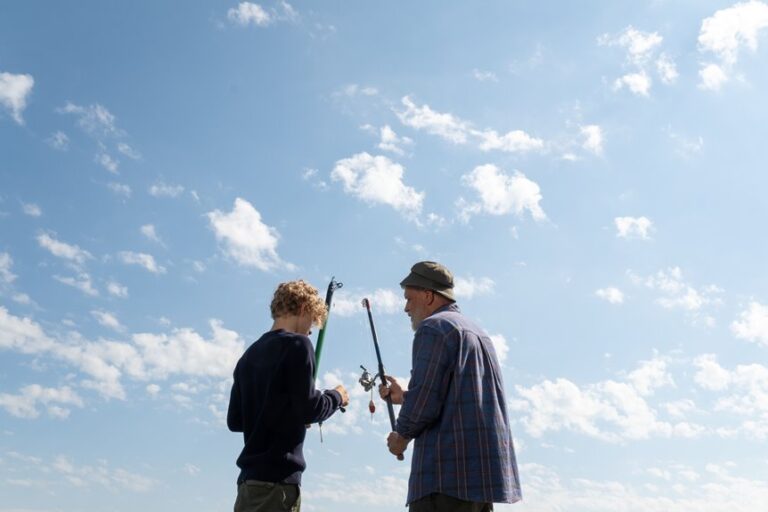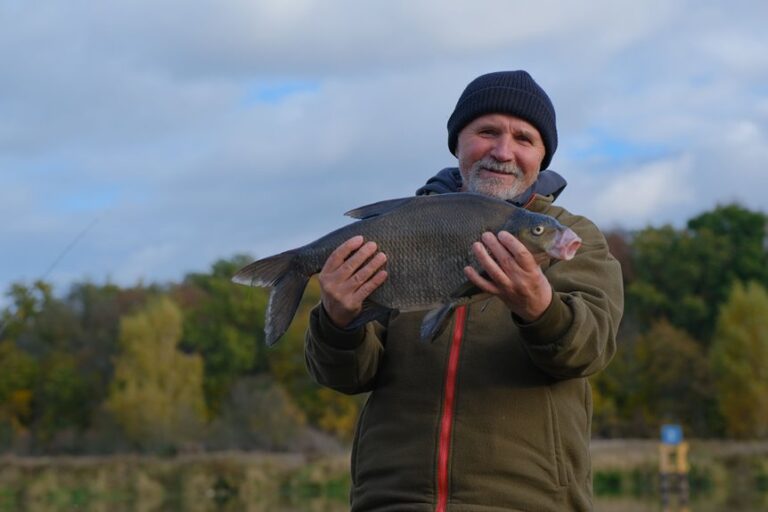

Fishing becomes simple with a basic spinning rod, a handful of hooks, bobbers, and bait. Choose a rod and reel that match each other and learn a few reliable knots. Practice casting on dry ground until casts feel natural. Look for structure and cover where fish hide, keep safety near the shore, and handle every catch gently. These steps build confidence and make the first trips enjoyable and productive.
What Gear Do Beginner Anglers Need?
Getting started with fishing doesn’t have to feel confusing, and the right gear can make your initial trip much more fun. You don’t need a huge pile of stuff to feel ready.
Start with a simple tackle box, a few hooks, sinkers, bobbers, and bait that fits the water you’ll fish. Add line cutters, pliers, and sunscreen so you can stay safe and comfortable. A small net also helps when you land a fish, and it keeps the moment calmer for you and the fish.
As you learn casting technique, focus on handling each item with care. Good gear maintenance matters too, because clean, organized tools last longer and work better.
Whenever your setup feels easy to manage, you’ll fit right in and enjoy the rhythm of the day.
Which Fishing Rod Is Best For Beginners?
A simple spinning rod is usually the best choice for beginners because it feels easier to control and less frustrating on your initial trips. You’ll fit in fast with other new anglers whenever your rod matches your skill, not someone else’s bragging story.
| Rod type | Best for | Why it helps |
|---|---|---|
| Spinning | Most beginners | Easy casting and calm handling |
| Ultralight setups | Small fish | Light feel and fun bites |
| Telescopic rods | Travel anglers | Short storage and quick use |
You don’t need a fancy stick to start. Choose a medium power rod around 6 to 7 feet, since it gives you control and forgiveness. Should you fish tight spots or travel often, telescopic rods can help. As soon as you pick well, you’ll feel ready, welcomed, and less worried about messing up.
What Reel Is Easiest For New Anglers?
Provided you want the easiest reel to start with, a spincast reel is a smart choice because it keeps things simple. You just press a button, cast, and let the reel do most of the work, which takes a lot of stress out of your initial trips.
It’s beginner-friendly because it helps you focus on learning the water and feeling confident, not fighting your gear.
Spincast Reel Basics
For many new anglers, the easiest reel to learn is the spincast reel, because it keeps fishing simple and helps you build confidence fast. You press a button, cast, and reel in without much fuss, so you can focus on your cast and your catch.
| Part | What you do | Why it helps |
|---|---|---|
| Button | Press to cast | Keeps control easy |
| Handle | Turn to retrieve | Feels natural |
| Cover | Protects the spool | Lowers tangles |
| Line guide | Feeds line evenly | Helps smooth casts |
| Care | Check spool maintenance | Keeps gear ready |
A line counter can help you track how much line you’ve used, while simple spool maintenance keeps your setup neat. With this reel, you’ll feel like you belong on the bank, not behind it.
Why It’s Beginner-Friendly
Because fishing should feel exciting, not overwhelming, the easiest reel for new anglers is usually the spincast reel. You press a button, cast, and let go, so you can focus on learning the line instead of fighting the gear.
That simple design helps you relax during shore casting in shallow water or along a gentle current. It also works well on short trips, whenever you want more fishing and less setup.
Because the spool stays covered, you avoid many tangles that can shake your confidence. You’ll feel more at home faster, and that matters whenever you’re just starting out.
With a spincast reel, you can practice smooth casts, catch small wins, and enjoy the same water as everyone else.
What Basic Fishing Tackle Should You Buy?
Once you start fishing, you only need a few core items to feel ready and confident. A simple rod and reel, plus basic hooks, sinkers, and bobbers, will cover most beginner setups without making things confusing.
With this small tackle kit, you can focus on learning the water and enjoying your time out there instead of sorting through a giant pile of gear.
Essential Rod And Reel
Your initial rod and reel can make fishing feel easy, or it can make every cast feel like a wrestling match, so it’s worth choosing gear that fits your needs.
Start with a medium-action spinning rod around 6 to 7 feet long. It gives you control, helps you learn, and feels friendly in your hands. Check rod materials, too; graphite feels light and sensitive, while fiberglass adds strength.
Then do some balance testing while holding the rod with the reel attached. Provided it feels steady, you’ll fish longer without strain.
Pick a simple spinning reel that matches the rod size and line rating. Once your setup feels balanced, you join the crowd of anglers who cast with confidence, not confusion, and that support matters.
Hooks, Sinkers, And Bobbers
A small tackle box can feel like a lot initially, but hooks, sinkers, and bobbers are really the simple tools that turn a rod and reel into a fishing setup that works. You don’t need every size, just a few basics. Start with medium barbed hooks for bait and smaller hooks for panfish.
Add split shot sinkers to help your bait sink naturally, and keep a few heavier ones for deeper water or windy days. Then grab classic round bobbers and a couple glow bobbers for dawn, dusk, or cloudy water.
As you sort your tackle, consider the fish you want and the water you’ll fish. That way, your kit feels personal, and you’ll walk to the bank ready, composed, and part of the fishing crowd.
How Do You Tie The First Fishing Knots?
Tackle the initial knots before you ever cast, because this tiny step can save you a lot of frustration on the bank. Start with knot practice at home using short line and a hook or swivel. You’ll feel the wraps tighten and learn whenever to wet the line so it slides cleanly.
Tie a clinch knot by threading the line, twisting it five times, then pulling the tag end through the small loop. For a stronger join, try the improved clinch or a simple loop knot.
Should you not have line yet, rope alternatives can help you rehearse the motions without wasting gear. Keep your fingers calm, tighten each knot slowly, and check that the coils sit neat. Once you can tie one confidently, you’re already part of the crew.
How Do You Cast A Fishing Rod?
Once you’ve tied a solid knot, casting the rod is the next skill that makes the whole outing feel real, and it’s usually less scary than it looks. Hold the rod with a relaxed grip, then open the bail and keep your thumb on the line. Swing back for an overhead cast, or choose a sidearm release whenever you need a lower path. Let the rod do the work, and release the line smoothly. You’ll get better with a calm rhythm.
| Move | What you do | Why it helps |
|---|---|---|
| Set up | Stand easy | Keeps balance |
| Cast | Point and release | Sends the line |
| Finish | Follow through | Adds control |
If you miss, don’t worry; every cast helps you feel more at home beside the water.
Where Should Beginner Anglers Look For Fish?
Near the shoreline, beginner anglers should start via looking for places where fish feel safe and can find food with little effort. You’ll often do well around nearby structure like docks, rocks, weeds, fallen trees, and bridge pilings. These spots give fish shade, cover, and quick hiding places, so they’re worth checking initially.
After that, watch the water for signs of movement, like ripples, bait activity, or small breaks in the current. Seasonal patterns matter too, because fish move with changing water temperature and daylight. In spring, they could stay shallow. In summer, they may tuck into cooler, deeper edges. Should you stay patient and trust these clues, you’ll feel more at home on the water and find better fishing spots faster.
What Bait Works Best For Beginner Fishing?
Once you’re just starting out, simple bait usually works best because it’s easy to use and often gets quick bites. You can do well with worms, small minnows, or other easy live bait choices that fish already know as food. Provided you keep your bait natural and fresh, you’ll give yourself a much better shot at landing your initial fish.
Best Beginner Baits
For beginner fishing, soft plastic worms, live worms, and small pieces of bait like corn or dough often work best because they’re easy to use and attract a wide range of fish. You don’t need fancy gear to feel confident here. Start with simple worm alternatives and a few basic artificial lures, like small spinners or jigs, whenever you want to try something different. These choices help you cast, wait, and learn without much stress.
Should the fish seem shy, downsize your bait and use a smaller hook so your setup looks natural. Also, keep your bait fresh and check it often, because a lively presentation can make all the difference. With the right bait, you’ll fit right in and enjoy the day more.
Easy Live Bait Choices
Live bait can take a lot of the guesswork out of beginner fishing, because it gives fish something they already know and trust. You don’t need fancy gear to feel like you belong on the bank. Start with easy choices that stay active and attract attention.
- Nightcrawlers work well on hooks and catch many common fish.
- Nightcrawlers storage matters, so keep them cool and damp in loose soil or bedding.
- Minnow selection should match the water size and fish you want, so choose lively, healthy minnows.
Next, bait your hook gently so the bait stays alive longer. Then cast near cover, like rocks or weeds, where fish like to hide.
In case one bait doesn’t get bites, switch and keep going. You’re learning, and that’s part of the fun.
How Do You Check Water Conditions Before Fishing?
Before you cast a line, take a quick look at the water, because it can tell you a lot about how the fish are feeling. Check water clarity initially. In case you can see a few feet down, fish might spot your bait more easily, so you can go lighter and more natural. Should the water look cloudy, fish often rely more on smell and vibration, so your choice can shift a bit.
Next, watch tidal currents assuming you’re near saltwater or any moving water. Steady flow can bring food to fish, while a strong surge could push them into calmer spots. Also notice the surface. Ripples, foam, or drifting bits can show where water is moving. Once you read these signs, you fit in with the spot and fish with more confidence.
How Do You Fish Safely?
Fishing safely starts with paying attention to the spot around you, because a calm trip can change fast should you miss a small warning. You fit the basics, then you relax and stay alert. Wear wearable flotation, even whenever you feel sure-footed, and keep your phone dry and close.
- Check weather awareness before you cast.
- Keep hooks covered until you’re ready.
- Stand clear whenever someone else swings a rod.
Next, watch the ground, too, since slippery rocks and loose banks can turn a fun outing into a rough one. You can bring a friend, which helps you feel safer and more welcome on the water. Should thunder roll in, head back right away. Small habits like these protect you and keep the day easy, so you can enjoy every cast with confidence and a little peace.
How Should You Handle A Fish After Catching It?
Once you’ve landed a fish, handle it gently so you protect both the fish and yourself. Keep your hands wet, support its body, and avoid squeezing the belly. Should you use barbless hooks, you can free the fish faster and keep stress low.
| Step | Why It Matters | What You Do |
|---|---|---|
| Wet hands | Protects slime | Touch lightly |
| Support body | Prevents injury | Hold under the belly |
| Quick release | Helps recovery | Remove hook fast |
For gentle handling, stay calm and move with care, because your steady touch helps the whole moment feel easier. In case the fish thrashes, guide it back to the water with control. Whenever you work this way, you fit right in with anglers who respect the catch and enjoy the shared rhythm of the water.
What Beginner Fishing Mistakes Should You Avoid?
Even a steady, careful catch can turn messy provided a few small habits get in the way, so it helps to spot beginner mistakes beforehand. You’ll fit in faster once you respect line etiquette, watch your cast, and keep your bait away from other anglers. Also, don’t skip weather planning, because wind and storms can turn a calm trip rough.
- Check your tackle before you leave, so broken line doesn’t steal your confidence.
- Use the right hook size, because tiny mistakes can scare fish off.
- Stay patient and quiet, since quick moves often waste your best chance.
As you slow down, you learn from each cast and start feeling like part of the crew. That’s where fishing gets fun, and your skills begin to grow.
Frequently Asked Questions
When Is the Best Time of Day to Go Fishing?
You’ll usually catch more fish in early morning and late evening, as they feed actively. You’re part of the best crowd then, sharing calm water, cooler temperatures, and stronger bites together.
Do I Need a Fishing License to Start Fishing?
Yes, you usually need a fishing license, and it is your key to joining the angling community. Check for license exemptions and seasonal permits, since rules vary across location and age.
How Do I Choose the Right Fishing Line?
Choose line by matching your target fish and rod. Compare braided versus monofilament, then pick line strength ratings that suit your setup. You will fit right in once you trust your gear and start fishing confidently.
What Should I Wear for a Beginner Fishing Trip?
Wear lightweight layers and waterproof footwear, because comfort keeps you in the crew. Choose quick dry clothes, a hat, sunglasses, and sunscreen. Like a trusted shield, your outfit helps you stay ready, dry, and welcome.
How Do I Clean and Store My Fishing Gear?
You’ll clean your gear after each trip, dry everything thoroughly, and lubricate moving parts. Then sort lures, hooks, and line by type for smart tackle organization. Good gear maintenance helps you feel ready, welcomed, and connected.