
Fishing trips flop for simple reasons. Wrong rod length or action reduces hooksets and casting control. A weak knot lets fish escape at the worst moment. Poorly chosen bait or lure fails to trigger strikes from target species. Noisy approach and bad timing scare fish away before a bite arrives. This guide points out common, fixable mistakes so quieter, more productive outings become routine.
Common Fishing Mistakes New Anglers Make
New anglers often jump in headfirst, and that excitement can turn into a few easy mistakes. You could head to wrong locations, where fish rarely feed, and then ponder why your line stays quiet. That’s normal, so don’t beat yourself up.
You can also miss simple local rules, and improper etiquette can make others feel ignored. Say hello, give space, and keep your spot clean so you fit in with the crew at the water.
Another common slip is rushing every cast. Slow down, watch the water, and learn from what you see. Once you stay patient, you’ll build confidence, avoid awkward moments, and enjoy the trip more. Your fishing buddies started there too, and you’re learning the same way.
Choosing the Right Rod and Reel
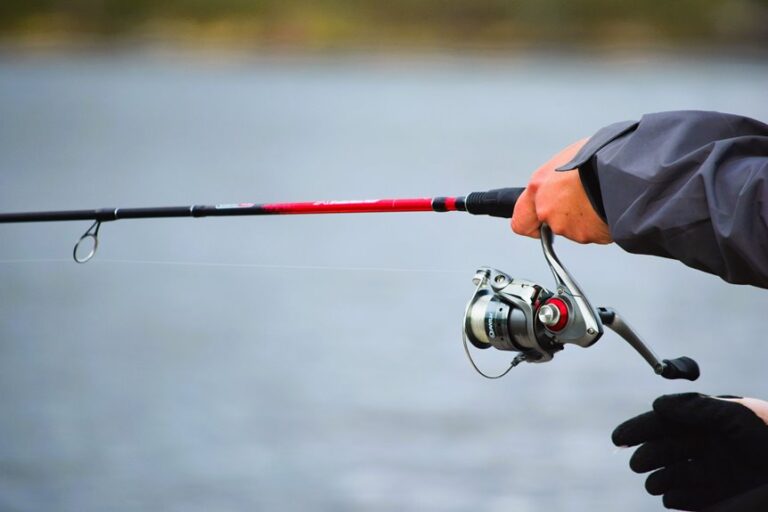
You don’t need the fanciest gear, but you do need a rod with the right power for the fish you’re chasing.
Match your reel size to that rod so the setup feels balanced in your hands, not awkward or heavy.
If you also keep your line weight in sync, you’ll cast smoother and avoid a lot of those frustrating mistakes that make fishing feel harder than it should.
Rod Power Basics
Rod power can feel confusing at initially, but it gets much easier once you match the rod to the fish you want to catch.
You’ll hear terms like rod stiffness, and that’s really about how much bend your rod has under pressure. Light power gives you a softer feel for smaller fish, while medium and heavy power help you handle bigger pulls with more control.
An easy action comparison helps too, because faster rods bend near the tip, and slower rods bend deeper.
Whenever you choose well, your casts feel smoother and your hook sets feel more confident.
Reel Size Match
Once you know your rod power, the next step is making sure your reel size matches it, because the two need to work as a team. Should you choose a reel that feels too bulky or too tiny, you’ll fight your gear instead of fishing with it.
Check the reel capacity so it fits the line and style you want, and make sure the spool compatibility lines up with your rod setup. A balanced pair feels smoother in your hand, casts easier, and helps you stay confident on the water.
Whenever the reel and rod fit well together, you’ll spend less time second guessing and more time enjoying the group of anglers around you. That little match-up can turn an awkward outing into one that feels natural.
Line Weight Balance
Line weight balance can make or break your setup, because the line has to work well with both the rod and the reel. You want your line balance to match the rod’s power, action, and the reel’s spool size, so everything feels smooth in your hands. Should the line be too heavy, you can stress the rod and lose control. In case it’s too light, you might miss solid hooksets and break off fish.
Then check braid compatibility, since some rods and reels handle braid better than others. Whenever you pair the right line with the right gear, you fish with more confidence, and that helps you feel like you belong out there. A balanced setup casts cleaner, fights fish better, and keeps your day on the water calm and fun.
Using Bait That Matches the Fish
Whenever you choose bait that matches the fish you’re after, you give yourself a much better shot at a real bite instead of just hoping for luck.
You can make smarter choices by checking the species, then using color matching and scent selection to fit what they already trust.
Should bass be feeding on small minnows, a soft bait in the same shade can feel familiar.
In the event catfish are active, a stronger smell often helps them find you faster.
You don’t need fancy gear to belong at the dock, either. You just need to pay attention and stay patient.
Once your bait looks and smells right, fish feel less cautious, and you feel more confident.
That confidence matters, because it keeps you calm and ready upon the initial tug finally comes.
Picking the Right Fishing Spot
You can pick a better fishing spot once you read the water initially, because calm edges, moving current, and concealed cover often reveal where fish are feeding.
Then match the spot to the species you want, since bass, catfish, and trout each prefer different habitats and water depths.
Should a bank look packed with other anglers, try a quieter area nearby, and you’ll often give yourself a much better chance.
Reading Water Conditions
Whenever the water looks alive, that’s often where the fish are hiding, so learning to read conditions can save you a lot of wasted casts. You don’t need fancy gear to fit in with skilled anglers; you just need to watch closely and trust what the water tells you.
Start with these clues:
- Look for surface currents that push food into one lane.
- Notice ripples, seams, and tiny breaks near calm water.
- Check for thermal layering, because a sudden temperature shift can change where fish rest.
- Watch how wind stacks bait and stirs edges.
Once you read these signs, you stop guessing and start fishing with the group. That confidence feels good, and it helps you choose spots where your cast has a real chance.
Matching Species Habitats
Now that you can read the water, the next step is figuring out which fish actually live there. You’ll save time whenever you match the spot to the species you want.
Start by checking depth, cover, and current, then compare them with local habits. Bass like shade and wood, while trout prefer cold, clean water with rocky substrate preferences. Catfish often hug softer bottoms and slow edges.
Also, watch for seasonal migration, because fish shift alongside water temperature, food, and spawning needs. A creek mouth could hold one species in spring and another in fall.
Whenever you pick a spot that fits the fish’s home, you stop guessing and start fishing with the same confidence as the regulars on the bank.
Avoiding Crowded Spots
Crowded banks can drain the fun out of a trip fast, especially once every good-looking hole already has a rod in it. You still can find room provided you ponder ahead and move like part of the crew.
- Plan arrival before sunrise, so you claim a quiet launch.
- Check maps and forums, then choose lesser-known water.
- Avoid parking near the main lot provided side access exists.
- Walk farther than the crowd; fish often wait where others stop.
Whenever you pick calmer spots, you share the water without fighting for it. That helps you relax, learn faster, and feel welcome instead of boxed in. A little patience goes a long way, and the best cast often starts where the noise ends.
Reading Water Conditions and Weather
Under a shifting sky, the water tells you more than your gear ever will, provided you know how to listen. You can build confidence by watching the color, the chop, and the calm spots that hide near shore.
As the wind pushes across the lake, wind drift can move bait and stir feeding fish toward one side. After rain, stained water often gives fish cover, while clear water asks for a quieter approach.
You should also notice surface tension, because ripples, glare, and small breaks can reveal where insects land and fish rise. So, before you cast, pause for a minute and read the scene. That small habit helps you feel less lost and more like part of the water’s rhythm.
Choosing the Right Line and Hook Size
Choosing the right line and hook size helps you fish with more control and fewer lost catches.
Whenever you match line strength to the fish you want and pick a hook that fits the bait, you give yourself a much better chance from the start.
A balanced tackle setup also keeps your gear working together, so you’re not fighting your line, your hook, and the fish at the same time.
Matching Line Strength
Getting your line and hook to work together can save a lot of frustration on the water. Whenever you focus on line selection, you build confidence fast because your setup feels balanced. Match the line’s breaking points to the fish you expect, so you’re not guessing once a bite comes. Then check how the line bends and holds under pressure.
- Use lighter line for clear water and cautious fish.
- Pick stronger line at times cover can rub it.
- Keep your knot tight so the line keeps its strength.
- Trial your setup before you cast, because a surprise snap hurts.
With the right match, you fish like part of the group instead of the one fixing tangles. That steady feeling helps you relax, stay ready, and enjoy each cast.
Hook Size Basics
A good hook size can make a shaky day on the water feel a lot easier, because your bait, line, and target fish all need to work as one.
You don’t need a huge hook for every catch. Instead, match the hook to the bait and the mouth size of the fish you want. A smaller hook often helps your bait look natural, while a larger one can hold bigger bait better.
Check the gap measurement, since it controls how well the hook grabs. Also, look at hook materials so you get strength without too much bulk.
Whenever you choose wisely, you fit in with anglers who know the basics and fish with more confidence. That simple choice can save frustration and help you land cleaner bites.
Balancing Tackle Setup
Once your line and hook work together, fishing starts to feel a lot less frustrating and a lot more natural. You fit in faster whenever your setup matches the fish and the rod. Good tackle ergonomics help you cast easier, while caster balance keeps each throw smooth and steady.
- Match light line with small hooks for wary fish.
- Use heavier line whenever cover can snag your bait.
- Pick hook size that holds bait without hiding it.
- Trial the setup before you hit the water.
If your gear feels clunky, adjust it before you blame your luck. A smart balance lets you stay comfortable, fish longer, and enjoy the same simple rhythm as everyone else on the bank.
Setting the Hook at the Right Time
Feel the tug, then pause for just a second, because timing the hook matters more than yanking the rod the moment you sense movement. You’ll catch more fish whenever you watch for timing cues like a steady pull, a quick tap, or a pause after the bite. That’s where your strike rhythm comes in.
Should you set too soon, you might pull the bait away. Should you wait too long, the fish might spit it out. So trust what you feel, breathe, and let the line tell you what’s next.
You’re not alone in missing a bite now and then. Every angler learns this part through feeling it out, and with practice, you’ll start to read the moment with calm confidence and mutual esteem.
Reeling In at the Right Speed
Provided the fish is on, reeling too fast can rip the hook free, but reeling too slow can give it time to shake loose, so your job is to keep steady pressure and match the fish’s fight. You’re part of the crew now, so stay calm and let the rod do work.
A steady retrieve helps you keep control, while a variable cadence can trigger a stubborn fish to commit.
- Turn the handle smoothly, not in jerks.
- Speed up only when the fish runs toward you.
- Slow down when the line feels heavy.
- Pause briefly in case the fish seems unsure.
That rhythm keeps tension right and helps you feel each move. Provided your lure needs action, add tiny changes, then settle back in.
With practice, you’ll reel like you belong there.
Staying Quiet at the Water’s Edge
Quiet often catches more fish than fancy gear, so as you reach the water’s edge, move like you’re sneaking past a sleeping dog. You’re joining a calm place, so act like part of it. Minimize movement when you step, kneel, or shift your rod. Fish notice splashes, shadows, and sudden twitches fast.
Next, keep your voice low and steady. Good voice modulation helps you stay relaxed with your buddies without sending ripples of panic through the bank. Should you need to point, do it with your hand, not a loud call. Also, set your gear down gently and avoid dropping lids or pliers. As you blend in, you give yourself a better chance to feel like you belong and to watch fish behave naturally.
Checking Knots and Tackle Before You Cast
A quick knot check can save your whole fishing trip, so don’t rush that initial cast. You’re fishing with the crew now, so make every piece count.
Start with a visual inspection of your line, hooks, snaps, and leaders for frays, rust, or cracks. Then follow these steps:
- Pull each knot tight and watch for slipping.
- Try the hook point and replace dull ones.
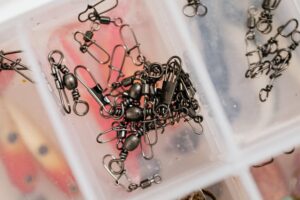
- Check swivels and clips for smooth movement.
- Confirm waterproofing reels hasn’t failed, then wipe off grit.
If something feels off, fix it before you launch. A fresh knot and clean tackle help you fish with confidence, and that confidence feels good when you’re standing beside others who love the water too.
Adjusting Your Technique When Fish Won’t Bite
At the point the fish stop striking, don’t assume the whole spot is dead, because small changes often wake them up again. You’re not failing; you’re learning what they want today.
Start by watching the water and then Change baits when your lure looks too big, too bright, or too slow. Next, Vary retrieves so you can assess a steady pull, a pause, or a few quick twitches.
These tiny shifts help you match the mood of the fish without leaving your friends in the boat guessing what went wrong. Should one move not work, stay calm and try another.
You belong out there, and every adjustment builds your confidence. With each cast, you get closer to the bite that turns a quiet day into your day.
Simple Tips to Catch More Fish
Casting smarter doesn’t have to feel complicated, because a few simple habits can put more fish in your boat and less frustration in your day. You’re not alone should you’ve felt stuck, but small changes can help you fit right in with anglers who catch more.
- Watch the water before you cast, and look for ripples, baitfish, or shade.
- Use stealth casting so your lure lands softly and doesn’t spook shy fish.
- Match your bait to the local food, because fish notice what feels natural.
- Try Night fishing whenever daytime bites slow down, since calmer water can help you connect.
Move slowly, keep your line neat, and stay patient. Whenever you fish with care, you give yourself better chances and a better day on the water.
Frequently Asked Questions
What Fishing License Do I Need for Local Waters?
You’ll usually need your state fishing license for local waters, and sometimes extra state permits. Check resident restrictions, since rules vary by lake and river. As you cast, you’ll feel at home, not out of place.
How Do I Safely Handle and Release a Fish?
Wet your hands, keep the fish low over the water, use barbless hooks, support its body gently, avoid squeezing, and release it quickly so it swims off strong with your crew.
What Basic Fishing Tools Should Every Beginner Carry?
You’ll want a rod, reel, line, hooks, bobbers, sinkers, pliers, and a small tackle box. For example, in case you are bank fishing you can grab a medium rod, spare line, and cutters to stay prepared.
How Can I Tell if a Fish Species Is in Season?
Check your local fishing regulations for season dates and size limits, then match the species name on the chart. You will feel right at home staying legal, informed, and part of the fishing community.
What’s the Best Way to Store and Transport Caught Fish?
You’ll keep your catch like a shared campfire—cool, protected, and together. Use an ice chest with plenty of ice, bleed fish quickly, and choose stringer alternatives like mesh bags or keepers to avoid spoilage.