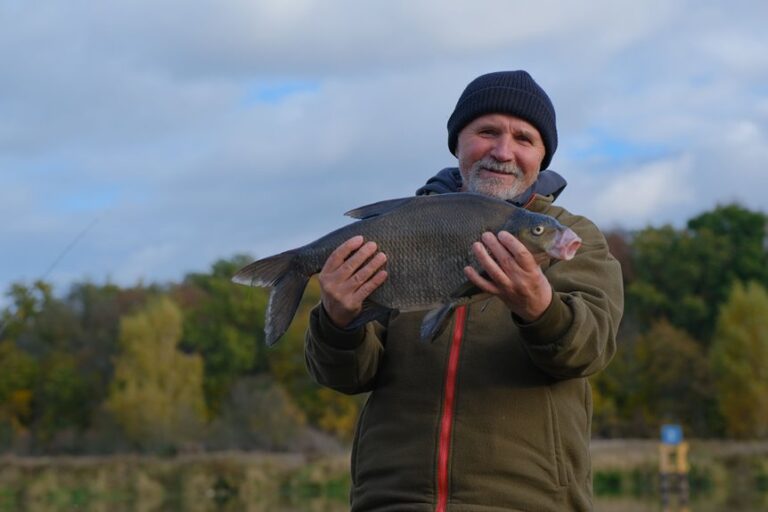

Fish behavior shifts with seasonal changes in water temperature, oxygen levels, and daylight. Warmer water speeds metabolism, so feeding increases and fish move toward shallower, sunlit areas. Cooler water slows activity, pushing fish deeper and nearer thermally stable zones. Low oxygen forces fish to surface or seek currents with better aeration. These patterns change where to cast, how deep to fish, and which baits trigger bites.
Why Seasons Change Fish Behavior
As the weather shifts, fish don’t just “go with the flow” and keep acting the same. You can consider each season as a new signal that changes how they eat, move, and stay safe.
Warmth or cold can change their body speed, so thermal cues matter a lot. These cues help set migration timing, too, because fish often move whenever conditions feel right, not when the calendar says so.
You might notice they shift deeper, gather in calmer water, or search for richer food. That’s not random; it’s their way of matching nature’s pace. Once you understand this, you fit in better with the rhythm around you and feel more confident on the water.
Fish Behavior in Spring
In spring, you’ll notice fish start moving with purpose as rising water temperatures wake them up and nudge them toward shallow areas.
You can expect many species to begin spawning, which makes them more active and easier to spot.
At the same time, their feeding picks up, so they’re often chasing food with a lot more energy than they did in colder months.
Spawning Activity
As spring warmth starts to wake the water, many fish feel the pull to spawn, and their behavior can change quickly. You might notice them moving together, choosing quiet edges, and guarding nests with fierce focus. That’s whenever pair spawning and lunar cues can guide their timing, so you can spot action even before it looks busy.
- Fish often slip into shallow cover.
- Males might chase off rivals.
- Females usually stay near safe spots.
Whenever you’re near the water, stay calm and give them space. Your quiet presence helps the whole group of anglers and fish alike. Should you watch closely, you’ll see how spring brings a shared rhythm, and it can make your day on the water feel more connected and rewarding.
Rising Water Temperatures
As the water starts to warm, fish often change their mood fast, and you’ll feel that shift on the bank or in the boat. You’re not imagining it. In spring, thermal preference shifts pull fish toward snug shallows, and metabolic acceleration effects make them move with more purpose.
| Water temp | Fish response |
|---|---|
| Cool | Slow, steady holding |
| Mild | Easier travel to nearby cover |
| Warm | More activity in shallow edges |
| Spiking | Quick relocation to comfort zones |
When you track these changes, you stay part of the same spring rhythm as the fish. That helps you read where they might settle next without forcing the issue. A little patience goes a long way here, and it keeps the day calm for you and your crew.
Increased Feeding Patterns
Fish usually start feeding more often in spring because their bodies need extra energy after the cold months, and that change can turn a quiet spot into a lively one fast.
You’ll notice them moving with purpose, chasing small prey, and checking the same area again and again. Whenever you match bait selection to what they’re already eating, you fit right in with the action.
- Use smaller, brighter bait near warming shallows.
- Watch for morning and dusk bursts.
- Try nocturnal feeding spots after cloudy, calm days.
That rhythm helps you feel less like a guest and more like part of the crew on the water.
As food grows easier to find, fish stay active longer and guard feeding lanes. So you can read the water, stay patient, and join the spring pattern with confidence.
Why Summer Heat Pushes Fish Deeper
Whenever summer heat warms the surface, you’ll notice fish often move deeper to find cooler water.
At the same time, lower oxygen near the top can make those shallow spots less comfortable for them.
Oxygen Levels Drop
Summer heat can make a lake feel calm on top, but below the surface, it changes the water in a big way. You might notice fish sliding away from the shallows because warm water holds less oxygen. As sunlight lingers, algae can grow fast, and algal blooms can crowd the water with even more stress. That shift can create hypoxic zones, where fish struggle to breathe and stay comfortable.
- You’ll often see fish gather where oxygen still feels safer.
- You might cast in one spot and get no reply.
- You can feel better understanding the fish aren’t gone, just reacting.
When you understand this, you can read the lake like a neighbor who’s familiar with the block.
Cooler Water Depths
As the upper layer warms, the lake starts to feel layered, and that matters a lot for your next cast. You’ll often find fish sliding into cooler water where the temperature feels steady and safe. These cold thermoclines act like underwater comfort zones, so bass, trout, and other species stay near them whenever summer heat gets heavy.
You can regard it as depth migration, not a random move but a smart one. Once you fish deeper, you meet them where they already want to be. That shift can feel frustrating at initially, but you’re not missing the action. You’re simply following it. Watch your sonar, check ledges and drop offs, and keep your confidence high. Your best bite often waits just below the warm surface.
Fish Behavior in Fall
Near autumn, fish start behaving as provided the season is nudging them into a new routine, and that shift can change where you find them and how they feed. You can feel the change whenever you slow down and watch the water closely.
Fish often gather in tighter groups, and that autumn schooling helps them stay steady while they search for food.
- Look near edges where leaves drift and soften the light.
- Notice leaf driven feeding, because bugs and bits of plant matter draw fish in.
- Follow moving water, since it carries easy meals.
Whenever you match their rhythm, you’ll feel more connected to the lake or river, and your time on the water starts to feel less like guessing and more like belonging.
What Cold Water Does to Fish Activity
Once cold water settles in, fish usually slow their pace, and that change can make the whole waterway feel quieter. You’ll notice a reduced metabolism, so they burn less energy and move with care. That often leads to sluggish feeding, because every chase costs more than it returns.
Instead of roaming widely, many fish hold near a thermal refuge, where the water feels a little kinder. You might see them tuck into deeper pockets, rocky shade, or calm seams to save strength. This metabolic suppression helps them stay alive through cold spells, even provided they seem lazy to you. They’re not avoiding you; they’re conserving. Should you be patient, you can still connect with them, just at a slower, gentler pace than usual.
How Day Length Affects Feeding
Shorter days can change a fish’s appetite just as much as cold water does. Whenever daylight shrinks, your fish often adjust their feeding window, and you can see them become more active at dawn or dusk. In photoperiod experiments, scientists found that light cues shape whenever fish expect food, so your timing matters too.
- Feed a little earlier on short days.
- Watch for stronger bites near sunrise and sunset.
- Expect some nocturnal shifts in species that stay alert after dark.
If you keep a steady schedule, you help the fish feel secure, and they often eat with more confidence. That simple routine can make your tank or fishing trip feel calmer for everyone involved.
Why Low Oxygen Moves Fish Around
As the water runs low on oxygen, fish don’t just get sluggish, they start searching for relief. You’ll often see them move toward cooler, moving water where breathing feels easier. That’s hypoxic avoidance, and it helps them stay alive during the season turns difficult.
In shallow areas, warm water holds less oxygen, so fish might shift deeper, drift into current, or crowd near springs and inlets. Their gills also work harder through gill compensation, pulling more oxygen from every breath. You’re seeing a survival response, not random wandering. Whenever you notice fish changing places, they’re often following comfort, safety, and the basic need to breathe well. That’s why low oxygen can reshape where they spend their time.
Reading Seasonal Fish Behavior on the Water
As you watch the water closely, fish start telling you a seasonal story long before you catch one. You’ll notice their clues in shallow breaks, cloudy edges, and quick flashes near cover.
Whenever tide patterns shift, fish often follow food, so you can match their moves instead of guessing alone. That’s where good bait selection comes in, because the right size and color can suit the season better.
- In spring, look for warmer pockets and active feeders.
- In summer, fish might hold deeper or under shade.
- In fall, they frequently chase baitfish with extra urgency.
If you stay patient, you’ll begin to read these changes like friends who know the same shoreline.
Frequently Asked Questions
How Do Storms Influence Fish Movement?
Storms can send fish everywhere, as if they have a thousand escape routes. You will often see them move with temperature fronts and pressure drops, seeking calmer, safer water where they feel protected and connected.
Do Fish React Differently to Moon Phases?
Yes, you’ll often notice fish react to moon phases. You can plan around lunar feeding and tide timing, because brighter moons and stronger tides can shift feeding windows, making your group’s outings feel more successful.
Can Water Clarity Change Seasonal Feeding Patterns?
Yes, water clarity can shift your seasonal feeding patterns. As water turbidity rises, fish rely less on sight; once light penetration improves, they feed more confidently, so you will observe stronger, predictable bites together.
How Do Different Species Adapt to Seasons?
You will see species adapt through migration timing, thermal tolerance, and feeding shifts, so you can find them where conditions suit them best. You are not alone; these seasonal cues help your fishing community stay in sync.
Does Spawning Affect Where Fish Hide?
Yes, spawning can change where you’ll find fish hiding; you’ll often see them seek nesting substrates near cover, then slip into thermal refuges afterward. You’ll notice they stay where they feel safe and supported.