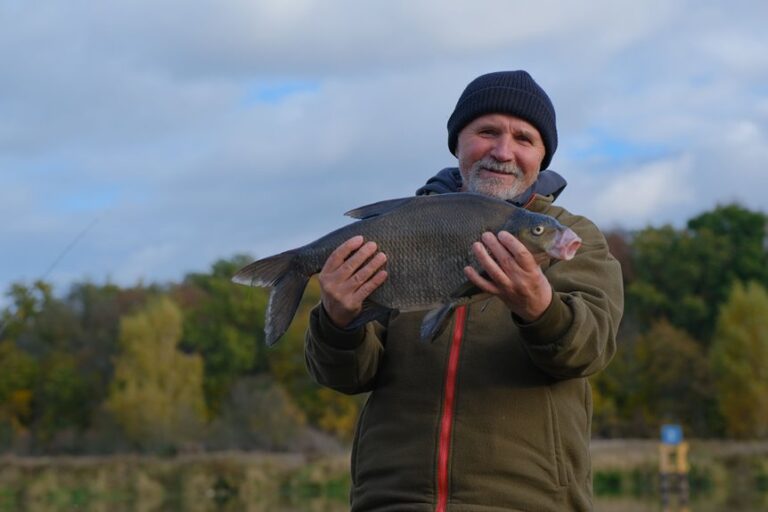
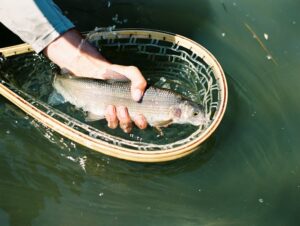

Fish ID starts with habitat, movement, and body shape. Surface feeders have upward mouths and quick, skimming motions. Bottom dwellers show flat or downward mouths and often barbels or flattened bodies. Open-water cruisers are streamlined with central mouths and steady swimming. Noting fins, mouth position, and markings narrows possibilities to groups like catfish, bass, panfish, carp, and pike.
Start With the Easiest ID Clues
Most of the time, the easiest way to identify a freshwater fish is to start with the clues you can see right away. Look at the water it came from, because habitat preferences narrow the list fast. A trout usually prefers cool, clear streams, while a catfish often stays near muddy bottoms.
Next, notice seasonal behavior. Some fish feed near the surface in spring, then move deeper as summer warms the water. You can also watch how it acts in your hand net or bait. Does it dart, hover, or stay still? Those simple details help you feel more confident.
Whenever you compare where it lives and how it behaves, you and the fish start making a little sense together.
Identify Freshwater Fish by Body Shape
You can often narrow down a freshwater fish by its body shape before you ever look at its color or fins. Some fish look long and slim, while others are deep-bodied, round, or built like a torpedo, and each shape gives you a useful clue.
Once you match body shape with a species’ usual look, you make the whole ID process feel a lot less tricky.
Body Shape Types
A fish’s shape can tell you a lot before you even see its fins or colors, and that makes body shape one of the easiest clues to learn.
Should you spot a streamlined fusiform fish, consider a torpedo built for quick movement in open water. Its body stays narrow and smooth, so it slips through the water with ease.
Were you to notice a laterally compressed fish, you’re seeing a thinner side view with a taller body, which often helps it turn fast and stay steady near plants or rocks.
You can also watch for rounder or thicker bodies, which usually move more slowly and feel sturdier.
As you compare these forms, you start to feel more at home on the water, and each fish becomes less mysterious, one shape at a time.
Shape Clues by Species
As body shape starts to point you toward a species, the next step is to notice how that shape looks on a real freshwater fish.
A deep, round body often indicates sunfish, which fit quiet water and slow feeding behavior.
A long, slim body can suggest pike or bass, and that shape helps them chase prey in open spots.
Should you see a torpedo form, imagine fish that move fast in streams or lakes with steady flow.
A flat, whiskered body could lead you to catfish, which stay close to the bottom and match their habitat preference well.
Whenever you compare shape with fins, mouth, and size, you’ll feel more sure and less stuck.
That’s how you join the fish spotter crowd with confidence.
Identify Freshwater Fish by Color and Markings
As you look at freshwater fish, color patterns often give you your initial big clue. You can spot stripes, spots, bands, or bright patches that make one fish stand out from another.
Then watch for distinctive markings like a dark tail edge, a pale belly, or a bold line near the gills, because those small details can make identification much easier.
Color Patterns
Color can tell you a lot about a freshwater fish, and it often gives you the initial big clue. You can watch for bright breeding colors in spring, then notice softer seasonal hues whenever the water cools. Those shifts help you feel more confident at the bank.
| Color cue | What it can suggest |
|---|---|
| Olive or gold | Sunlit, shallow-water species |
| Red or orange flare | Spawning fish nearby |
| Dark back, pale belly | Fish that blend into cover |
Whenever you compare these tones, you start spotting patterns faster. A fish might look plain at outset, but its body color often changes with light, depth, and mood. So trust your eye, stay patient, and let the water show you the difference.
Distinctive Markings
After you’ve noticed a fish’s color, the next step is to study the marks that make it stand out from the crowd. Look for stripes, bars, and blotches that stay in the same place, even as the fish turns. These details often tell you more than a quick glance can.
Some fish wear camouflage patterns that blend with rocks, weeds, or muddy water, while others show bright lines that catch your eye fast. You can also check the fins, tail, and gill covers for diagnostic spots, small clues that help you match the fish to the right species.
Whenever you compare these marks, you’ll feel more confident and more at home with each catch, like you’re learning the secret handshake of the water.
Identify Freshwater Fish by Fins and Tail Shape
You can often spot a freshwater fish just upon studying the shape of its fins and tail, and that’s a helpful place to start whenever you feel unsure. Look at fin anatomy initially. Long, stiff dorsal fins can point to sunfish or bass, while smaller, rounded fins often show up on minnows and other easygoing swimmers.
Next, check tail morphology. A forked tail usually helps a fish move quickly in open water, while a rounded tail supports slow, steady movement near cover. In the event the tail looks deeply split, you’re probably seeing a species built for speed and quick turns.
As you compare these features, you’ll start to feel more at home with the group, like you’re learning the local language of the water.
Use Mouth Size and Position to Narrow It Down
Once you check the fins and tail, the mouth can give you the next big clue. Look at mouth position initially. A mouth that points up often belongs to fish that feed near the surface, whereas a forward mouth usually fits fish that chase prey in open water. In case the mouth sits low under the head, the fish might root along the bottom.
Next, notice gape size. A wide gape often indicates the fish can handle larger food, while a small gape hints at smaller bites. You don’t need to be perfect. Just compare what you see with other clues, and you’ll start to narrow it down fast.
With practice, your eye sharpens, and that feels good while you’re out there with your fishing buddies.
Identify Common Freshwater Bass
Freshwater bass can look alike at initially, but a few clear features will help you sort them out fast. You’ll notice largemouth bass by their huge mouth, dark stripe, and chunky shape. Smallmouth bass look slimmer, with bronze sides and a jaw that stops near the eye.
Whenever you watch bass behavior, you’ll see them chase prey in short bursts and hide near rocks, weed edges, or fallen trees. That pattern links to their bass diet, which often includes minnows, crawfish, and insects.
In spring, check the spawning habitat, since bass guard shallow nests in quiet, warm water. Should you fish seriously, tournament techniques can help you notice where active fish hold and how they react. With practice, you’ll feel right at home on any lake.
Tell Apart Common Panfish
Panfish can seem tricky at initially, but their shapes and habits make them easier to sort out once you know what to watch for.
You’ll often spot bluegill near their deep, round bodies and short, dark ear flap. Crappie look sleeker, with larger mouths and speckled sides that flash in clear water.
Sunfish usually stay close to cover in shallow panfish habitats, where weeds, docks, and quiet coves give them shelter.
You can also learn from panfish diets, since these fish often feed on insects, tiny baitfish, and zooplankton near the surface.
Recognize Catfish, Carp, and Pike
Catfish, carp, and pike can feel easy to mix up at outset, but a few clear clues will help you sort them fast.
You can spot catfish by their smooth skin, wide mouth, and long barbels around the nose. That barbel anatomy matters because the whisker function helps them feel food in murky water.
Carp look thicker and more rounded, with large scales and a downturned mouth. Should you see a fish gently sucking at the bottom, you’re probably looking at one.
Pike stand out with a long, narrow body, a ducklike snout, and sharp teeth. They look built for speed, not scraping along the bottom.
Once you notice these shapes and mouth features, you’ll feel more confident on the bank with your crew.
Check Local Rules for Your Catch
Before you cast out again, take a minute to check the local rules for your catch, because a good day on the water can turn stressful fast should you miss one detail. You belong out there, and understanding the local regulations helps you fish with confidence.
Start with catch limits, since they tell you how many fish you’re allowed to keep and protect the waters you share with others. Then confirm licensing requirements, because even a simple trip could require a current permit. After that, look for seasonal closures, which can change per stream, lake, or species.
A quick call or website check can save your day. It also keeps your crew relaxed, legal, and ready for the next cast.
Frequently Asked Questions
Which Freshwater Fish Are Safe to Eat Raw?
You shouldn’t eat most freshwater fish raw; parasite risks are real. If you want sushi safety, stick with fish that have been frozen and commercially handled or consult a trusted local expert before sharing any bite.
How Do I Photograph Fish for Identification?
You photograph fish using steady lighting setups, choosing sharp camera settings, and capturing side, top, and close views. You will fit right in with careful anglers whenever you keep the fish still, centered, and visible.
What Tools Help Identify Fish Underwater?
You can use a binocular snorkel for clear close up viewing and an acoustic camera to spot fish in murky water. They will help you feel confident, connected, and ready to identify species together underwater.
Can Juveniles Look Different From Adult Fish?
Yes, juveniles can look different from adults, like understudies stepping into bright light. You will notice juvenile coloration and altered body proportions, so do not feel alone; many anglers misread them before they grow into familiar forms.
How Do Water Conditions Affect Fish Appearance?
Water conditions can change how fish look: you will notice differences in color, fin wear, and body shape. Water clarity affects visibility, and diet variation can make markings richer or duller, helping you feel more confident spotting them.