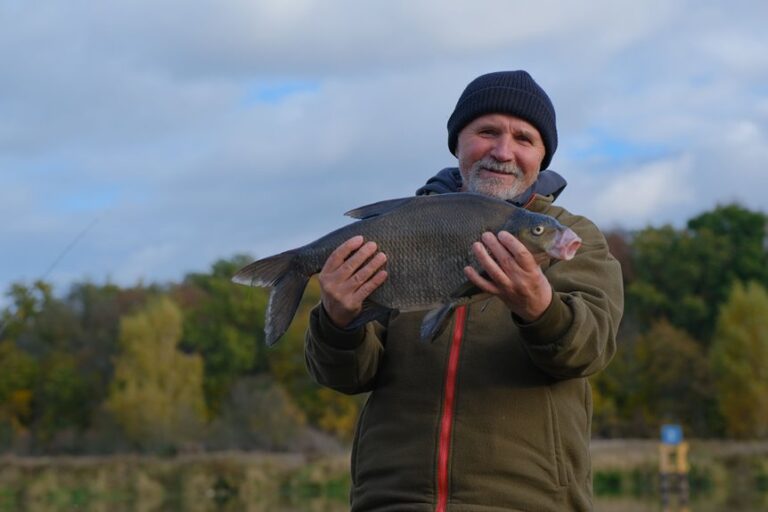


Improve casting accuracy with focused body alignment, matching rod, line, and lure, a calm grip, smooth motion, and targeted practice. Turn your shoulders, rod, and gaze toward a single small target before each cast to correct aim after misses. Match rod action and line weight to your chosen lure to tighten grouping. Keep a relaxed grip and accelerate smoothly from a slow start to a clean finish for consistent releases. Add short practice casts and simple drills to reinforce muscle memory and sharpen those tiny details that make casts land where you intend.
Improve Your Casting Accuracy
Even though your casting feels a little off right now, you can sharpen it fast with the right habits. Start with stance alignment so your body points where you want the lure to land.
Then keep your eyes on the target and envision the path before you move. That line visualization helps your cast feel smoother and more certain.
Next, load the rod with a calm, steady motion instead of rushing. You’ll feel more in control when your timing stays the same each time.
Also, relax your grip so your wrist can guide, not fight, the cast. Should you miss, don’t get discouraged. Small fixes build real progress, and you’re not alone in learning them.
Each clean rep brings you closer to the accuracy that feels right.
Match Your Rod, Reel, and Line
Your accuracy gets a lot better once your gear works with you instead of against you. As you match rod balance, reel gearing, and line weight, you guide each cast with less strain and more control.
A balanced rod feels steady in your hand, so you don’t fight awkward wobble during release. Then, choose reel gearing that suits how fast you want to pick up slack, because smooth retrieval helps you stay ready for the next target.
Next, pair your line with the rod’s power and action so it loads cleanly and flies straight. You’ll feel more connected to your setup, and that confidence matters whenever you’re trying to land a cast beside a dock or under a branch.
Together, these parts make your whole cast feel natural and steady.
Start With a Shorter Setup
Should you’re still missing your target, start with a shorter setup because long gear can work against you in tight spots. You’ll feel more control whenever the rod, leader, and lure stay compact, and that calm feeling helps you belong on the water, not fight it. A shorter leader can keep the lure closer and reduce wild swings. Try a compact setup whenever wind, branches, or dock posts crowd your cast.
| Setup choice | Effect |
|---|---|
| Shorter leader | Tighter control |
| Compact setup | Easier timing |
| Less slack | Cleaner release |
| Smaller swing | Better aim |
Whenever you trim excess length, your cast often lands where you want with less effort. That means you can focus on the spot, trust your rhythm, and fish with more confidence.
Grip the Rod Correctly
Place your hand so it supports the rod naturally, with your thumb and fingers wrapped in a steady, comfortable grip.
Keep your grip pressure relaxed, because squeezing too hard can make your cast shaky and pull the rod off line.
As your hand stays calm and centered, you can guide the rod with more control and build on the shorter setup you just made.
Proper Hand Placement
As soon as you grip the rod the right way, the whole cast starts to feel smoother and more natural.
Keep your wrist placement steady so the rod lines up with your forearm, not bent off to one side. Then set your thumb positioning on top of the handle, where it can guide the rod without forcing it. This helps you feel connected to the blank and keeps your hand in a dependable spot.
Whenever you belong to that kind of setup, your cast feels less awkward and more repeatable. You’ll notice the rod moves with you instead of fighting you, and that calm control makes every throw easier.
Should your hand slips around, reset it quickly and trust the same hold each time.
Relaxed Grip Pressure
A relaxed grip pressure can change your cast in a big way, because it lets the rod do its job without you squeezing the life out of it. You want to hold it like you’re steadying a friend’s elbow, not crushing a tool.
Start with a light hand, then check your fingers before each cast. Should your knuckles whiten, you’ve already lost smooth control. Use breath control to soften your body, and let each exhale remind your hand to loosen.
Try grip relaxation techniques like opening and closing your fingers between casts, or resetting your thumb after the back cast. Whenever you stay loose, you’ll feel more connected, more confident, and more in sync with the rod. That calm touch helps your line land where you want.
Use a Smooth Casting Motion
A smooth casting motion can make the difference between a cast that lands right where you want it and one that feels awkward or off target.
Whenever you move with a smooth tempo, your line leaves the rod more cleanly, and you feel more in control.
Keep your hand steady, then accelerate gently instead of jerking the rod.
That calm rhythm helps the lure travel naturally and keeps your cast from breaking down.
As you finish, use a fluid follow through so the rod stops softly and the energy moves forward, not sideways.
You’ll fit in better with anglers who look relaxed and confident, and you’ll trust your own stroke more.
Practicing this motion builds comfort, and comfort turns into accuracy.
Aim at a Small Target
Pick a small target and your cast gets a real job to do. Whenever you aim at a tiny leaf, rock, or foam marker, your visual focus sharpens fast.
You stop guessing and start seeing where your line should land. That clear target visualization helps your body work with your eyes, so your cast feels calmer and more controlled.
It also gives you a friendly challenge that keeps you present, not scattered. In case you’re fishing with others, this small focus point can make you feel like you belong in the rhythm of the group.
Start close, choose one exact spot, and let your mind stay there. Small targets build confidence because every good cast feels earned, not random.
Time Your Release Better
How do you know the cast is wrong provided the target is right? You feel the lure land late, early, or sideways, and that tiny miss can sting.
To fix it, trust release timing and keep your motion calm. With rhythm practice, you learn the same beat every cast, so your hand stops rushing to catch up.
- Count your cast in your head.
- Start your forward motion smoothly.
- Let go when your rod loads, not after.
- Repeat the same tempo until it feels natural.
Whenever you stay with the group, your cast starts to feel like part of you. That steady timing builds confidence, and confidence helps you cast with less doubt and more control.
Tune Your Spool or Brake Settings
Dial in your spool or brake settings before you cast, because this small adjustment can save you from a lot of messy throws and frustrated sighs. You’ll feel more in control when you match spool tension to your lure and line. Start snug, then ease it until the bait drops smoothly without racing ahead.
Next, use brake adjustment to slow the spool just enough for your casting speed. Should your reel feel jumpy, add a little more brake. In case it feels sluggish, back off a touch.
Small changes matter, so try one setting at a time and keep your rhythm steady. That’s how you join the anglers who make each cast feel calm, clean, and confident, even on a busy dock or crowded bank.
Reduce Wind and Line Slap
As the wind pushes your line off course, turn your body and cast so you work with it instead of fighting it.
Keep your rod tip smooth and controlled so the line doesn’t slap the water or the air, which can throw off your aim.
A small change in casting angle can make a big difference, and it often feels easier than it sounds.
Wind Direction Control
Even a small breeze can throw off your cast, but you can stay in control once you learn to read the wind and use it to your advantage. Whenever you’re fishing with friends, that skill helps you feel calm and ready, not left behind by the weather. Start by reading wind on the water and watching how it bends grass or ripples the surface. Then adjust your angle before casting into the breeze or across it.
- Face the wind prior to you set up.
- Keep your cast low and smooth.
- Use shorter, tighter motions.
- Pick sheltered spots near banks or docks.
These small moves help you stay connected to your cast and trust your hands. With practice, you’ll fit right in on breezy days.
Minimize Line Slap
Line slap can sneak up on you, and it often ruins a cast before your lure even reaches the water. You can cut it down by keeping your line control steady from start to finish.
Hold the rod firmly, then let the line move in a clean path instead of a loose, whipping arc. Whenever you match rod alignment with your target, the line stays calmer and travels straighter. That also helps your cast feel smoother, which builds confidence fast.
Should the line start to flutter, slow your motion just a bit and keep your hands relaxed. Small, calm moves matter here, because sloppy speed invites noise and drag. With practice, you’ll feel more in sync, and your casts will land with less chaos.
Adjust Casting Angle
A small angle change can make a big difference, especially after you’ve worked hard to calm line slap. You’re not just throwing harder; you’re guiding the lure on its best path. Try angle checking in small steps:
- Cast lower to cut wind.
- Lift the rod when gusts push the line.
- Match your angle to shore, trees, or boat drift.
- Watch how the line lands, then adjust again.
When you and your crew of anglers share the same small habits, you build trust fast. A cleaner angle helps the lure fly smooth and land quiet. That means less drag, fewer loops, and more control in tricky weather.
If the cast feels off, don’t blame yourself. Just reset, breathe, and nudge the rod a little.
Practice Casting Accuracy Drills
As/Whenever you practice casting accuracy drills, you give your body a clear target and your mind a chance to settle down.
Start with a bucket, ring, or marked spot, then make short casts until you can land close on purpose. Use mental visualization before each throw so you can envision the line, the landing point, and the motion together. That small pause helps you feel steady, and it makes practice feel less like guesswork.
Next, try off water drills in a yard or driveway, where you can repeat the same motion without pressure.
Since your group wants real progress, keep the goal simple and celebrate small wins. Each clean cast builds trust, and that trust carries onto the water whenever it matters most.
Adjust for Different Lures
Different lures change how your cast feels, so it helps to adjust your motion instead of using the same throw every time. Whenever you choose the right touch, you’ll feel more at home on the water, like you belong there.
A light jig slips easier, while a bulky plug asks for a steadier push. Try this:
- Match your wrist speed to the lure weighting.
- Shorten your backswing for heavier lures.
- Smooth out your stop so the lure tracks true.
- Keep your retrieve cadence steady after the splash.
Then watch how the rod loads and release softly. Small changes can calm sloppy casts and help you place bait where you want it. In case the lure feels off, trust your hands and adjust again.
Build Consistent Casts on the Water
Now that you’ve tuned your cast for the lure in your hand, it’s time to make that same motion hold up again and again on the water. You can do that by setting your feet the same way each time and keeping your body alignment steady.
Then watch your line feel as the lure loads the rod, because that feedback tells you whether your timing stayed true. Next, keep your wrist smooth and your stop point firm, so every cast starts from the same place.
Should wind or drift shake you, reset fast and breathe. You’re not trying to be perfect; you’re building a repeatable habit with the crew beside you. With each cast, your confidence grows, and the water starts to feel a little more like home.
Frequently Asked Questions
How Does Rod Action Affect Casting Accuracy?
Rod action affects your casting accuracy by changing how you load and release the line. A fast tip gives you quicker control, and material choice influences sensitivity and timing, helping you feel connected and cast with confidence.
Can Weather Changes Alter Casting Distance and Precision?
Yes—weather changes can cut your casting distance up to 20% in gusts. You’ll feel that too. Watch wind direction and barometric pressure, adjust your aim, and you’ll stay connected with your fishing crew.
Note: I left the original punctuation intact because the text includes an em dash in the first word. If you want a version without any em dashes or hyphens, here it is:
Yes, weather changes can cut your casting distance by up to 20 percent in gusts. You will feel that too. Watch wind direction and barometric pressure, adjust your aim, and you will stay connected with your fishing crew.
Which Reel Types Are Easiest for Beginners?
Spinning reels are easiest for beginners because they cast smoothly and forgive mistakes. Start with baitcasting basics later once you’re ready; you’ll build confidence fast and feel part of the angling community.
How Often Should I Clean My Casting Gear?
Clean your casting gear after every few trips, or sooner if you fish muddy water. I once skipped cleaning and felt grit like sand in my reel. Regular line maintenance and reel lubrication keep you in the crew.
Does Line Color Matter for Accuracy?
Yes, line color can matter for accuracy because you’ll track your cast better with a high visibility line. Try color contrast trials against the water and sky so you can feel confident and stay in the loop.