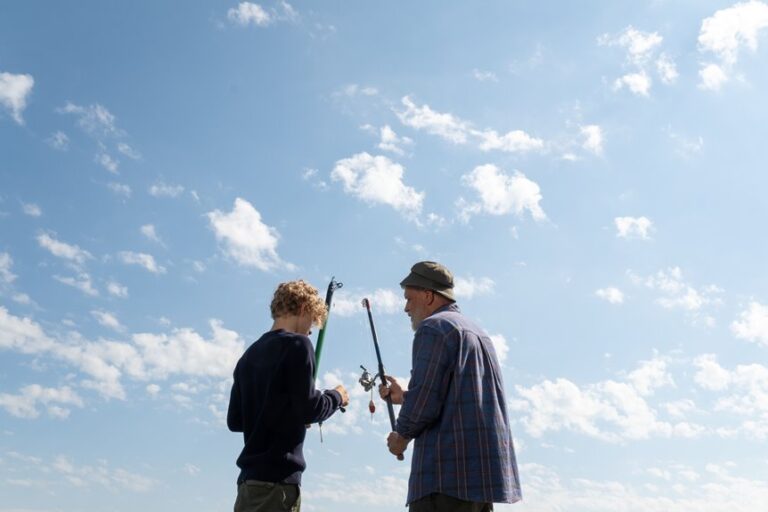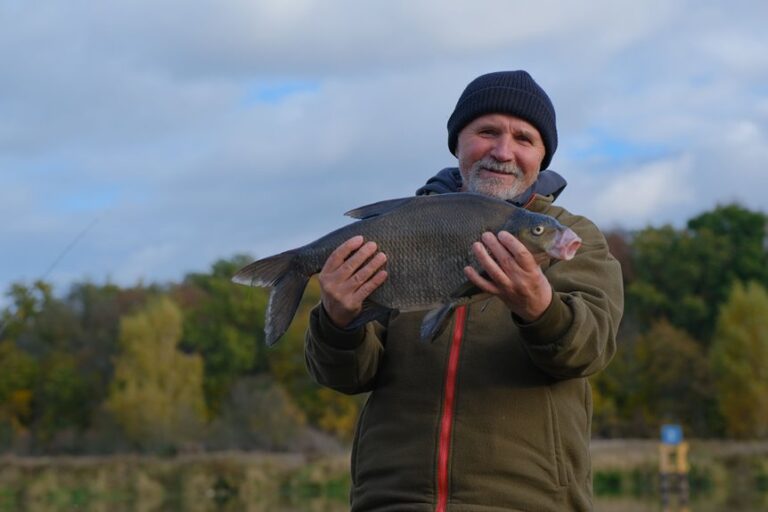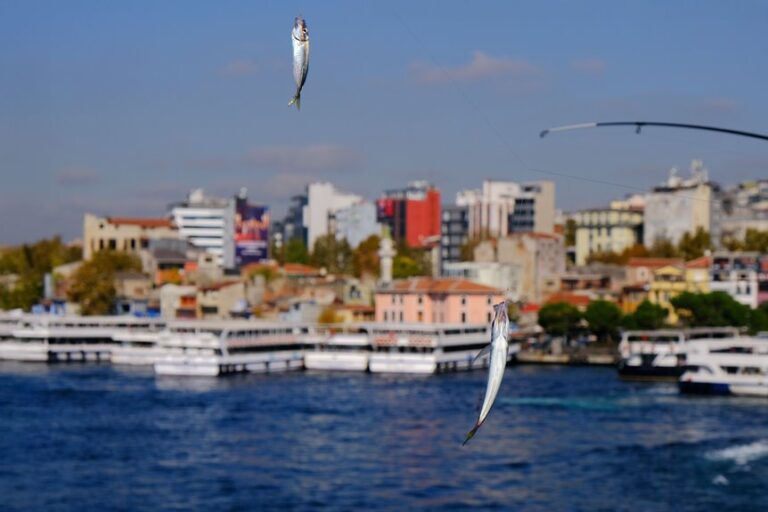

Fish gather around structures because those spots concentrate food, offer shelter, and reduce energy spent hunting. Rocks, pilings, reefs, and wrecks break currents and trap baitfish. Shady edges and ledges create ambush points for larger predators. Swirls, flashes, or nervous bait near drop-offs signal active feeding zones. Observing structure patterns makes it easier to predict where fish will hold and feed.
What Makes Fish Gather Around Structure?
Fish often gather around structure because it gives them a place to feel safe and find food at the same time. You see them choose rocks, docks, and fallen trees because these spots break the current and hide them from bigger fish. That cover helps them relax, so they can stay with the group instead of scattering.
During seasonal migrations, structure also acts like a meeting point where fish can rest and reconnect. Their sensory adaptations help them notice tiny shifts in water, light, and pressure, so they can move in with confidence. Whenever you’re near these places, you’re really looking at a busy neighborhood built for comfort, shelter, and easy movement.
Food Sources Around Underwater Structure
Underwater structure often works like a snack magnet because it traps plankton in its nooks and cracks.
You’ll also notice baitfish gathering there to feed on that tiny food supply, and bigger fish usually follow close behind.
Plankton Traps
Around docks, reefs, and fallen trees, tiny drifting food can pile up in surprising ways, and that’s a big reason fish gather near structure. You can consider of these spots as plankton traps.
Whenever a plankton bloom starts, the water fills with tiny meals that moving current can push against beams, pilings, and rock edges. Then vertical migration brings more life into play, since plankton rise and sink each day, and structure helps hold them in reach.
For you, that means a steady feeding zone where fish don’t have to roam far. They can stay close, save energy, and still find food. So whenever you’re near cover, you’re often sharing space with a concealed dinner table, and that feels pretty welcoming.
Baitfish Gatherings
Baitfish often show up initially, and that can change everything near a dock, reef, or sunken tree. You see the water stir, and that tiny crowd tells you food is close and safety is real. In baitball dynamics, fish tighten into a living shield, so bigger hunters must work harder. During seasonal migrations, these schools follow warmth, light, and rich currents, and you can feel the whole scene shift.
| Clue | What You Notice | Why It Matters |
|---|---|---|
| Shimmering lines | Tight schooling | More food nearby |
| Sudden flashes | Quick turns | Predators are close |
| Dense cloud | Baitball forms | Safety in numbers |
| Moving edge | Constant motion | Feeding stays active |
When you watch with patience, you’re not outside the action. You’re part of the same rhythm, and that feels good.
How Structure Gives Fish Shelter
At the moment you look at underwater structures, you’ll see they give fish a safe place to hide from predators.
Rocks, pilings, and fallen trees can also slow the current, so fish can rest in calmer water without working so hard. That shelter helps them feel secure, and occasionally it’s the fish version of finding a quiet corner in a busy room.
Protection From Predators
Fish feel safest near cover because it breaks up the open water and gives them a place to disappear fast.
You can see predator avoidance in action whenever fish slide beside rocks, docks, and weed edges, where bigger hunters lose their edge. That’s why refuge selection matters so much.
Fish don’t just hide at random; they choose spots that let them spot danger promptly and dart away in one quick move. Whenever you’re near these structures, you’re seeing a small neighborhood of safety form around them.
Each fish stays close enough to feel protected, but free enough to feed and move with the group. In that way, structure gives them a shared shelter that keeps fear down and confidence up, even if danger swims nearby.
Calm Water Refuge
Just as significant, calm water acts like a quiet room for fish, and structure helps build that space. Whenever current hits rocks, docks, or fallen trees, it slows down and forms calm eddies where you can envision fish resting with less effort. These refuge zones let them save energy, recover from stress, and stay close to food.
You’ll often see smaller fish tuck in initially, then others follow, because safe water feels welcoming. That shelter matters on windy days or in fast streams, whenever open water can feel harsh. So, structure doesn’t just block flow. It gives fish a place to breathe, settle, and belong.
In those protected pockets, they can move with ease and stay ready for the next change.
Why Structure Helps Fish Save Energy
Because water keeps moving, structure gives fish a smart place to rest and hold position without fighting the full force of the current. Whenever you’re near a rock, dock, or weed edge, you use energy conservation to stay steady and save strength for later. You also get help from small swirls that make swimming easier, so your muscles don’t have to work so hard.
- The current slows beside hard cover.
- You spend less effort staying balanced.
- Buoyancy control feels easier in calmer pockets.
- You can stay with your group and feel secure.
That mix matters because survival costs energy every day. So whenever you see fish together around structure, you’re seeing them choose comfort, efficiency, and a place that helps them belong.
How Fish Ambush Prey From Structure
Once a hungry predator spots structure, it often slips into place and waits for the right moment to strike.
You’ll see it use the edge, shadow, or break in current as an ambush perch, because that spot lets it stay concealed while watching every small move.
With stealth positioning, it faces open water and keeps most of its body still, so prey swims close before it knows trouble is near.
Then the fish bursts out fast, and the short chase gives you a clear image of why structure matters.
Should you’re around these spots, you’re in the same lane as the hunter and the hunted.
That’s why smart fish don’t waste energy chasing all day. They let the hiding place do the work, and they turn surprise into a real advantage.
Natural Structure in Rivers and Lakes
In rivers and lakes, you’ll often find fish holding near rocks, fallen trees, weed edges, and bends where the current slows. These spots give them shelter and shade, and they also create food drift zones where insects and baitfish get carried right to them.
Whenever you learn to spot these natural breaks, you’ll see why fish don’t just wander around, they set up where the meal comes easy.
Current Breaks
Whenever a river or lake has a strong push of water, fish often move toward spots where that force gets blocked or softened. You can regard these current breaks as natural meeting places, and they help you fish with more confidence.
Fish save energy there, so you’ll often find them along current seams and eddy lines.
- Watch where fast water meets slow water.
- Look for bends, rocks, or submerged logs.
- Cast just outside the main push.
- Let your bait drift naturally through the break.
Whenever you read the water this way, you stop guessing and start feeling like you belong on it.
The best part is simple: you don’t need to chase every swirl. Just find the break, stay patient, and let fish come to you.
Shelter And Shade
Shade and shelter can make a quiet stretch of river or lake feel like a fish magnet. Whenever you look for overhanging banks, dock pilings, fallen trees, or weed edges, you’re giving yourself a better read on where fish feel safe. These spots soften bright light and create light gradients that help fish stay concealed while still watching what’s around them.
In deeper holes or under mats of cover, you’ll often find thermal pockets that stay a little cooler or steadier than open water. That comfort matters, because fish like places that reduce stress and offer a sense of cover. So as you move along the bank, trust those darker edges and tucked-away corners. They often hold the quiet confidence fish need to stay close.
Food Drift Zones
Along current seams and gentle bends, food drift zones quietly do the heavy lifting for fish. You can feel the pull of these spots because they gather easy meals, and that helps you fish with more confidence.
Whenever water slows beside rocks, logs, or weed edges, drifting insects and scraps collect there. Fish learn these places fast, and you can join them.
- Watch current eddies for trapped food.
- Check plankton blooms near calm water.
- Cast where fast water meets slow water.
- Stay patient, because the best bites often arrive in small bursts.
These zones give fish a steady buffet, so they don’t need to roam far. As you read the drift, you feel like you belong on the water, right where the meal starts to move.
Reefs and Wrecks as Fish Habitat
Reefs and wrecks act like underwater neighborhood hubs, and fish notice them fast. You see tight schools, patient hunters, and shy bottom dwellers sharing the same space. Hard surfaces give fins a place to rest, and cracks offer quick cover whenever danger slides past.
In marine archaeology, old shipwrecks tell stories, but for fish they’re also shelter, shade, and a safe path through open water. As structural decay opens more gaps, small fish slip inside while larger ones patrol nearby. So you’re looking at a inhabited maze, not just broken stone or rusted steel. Should you spend time near these places, you’ll feel how easily life settles in, because the habitat helps different species belong together.
How Artificial Reefs Attract Fish
Artificial reefs give fish a new home through adding hard surfaces, hiding spots, and calm places to rest.
You’ll often see small fish move in initially, then bigger fish follow because the reef starts building a food chain.
That steady food supply and shelter help turn empty water into a busy spot that fish trust.
Habitat Creation
Through adding hard surfaces to open water, habitat creation gives fish a place to settle, hide, and feed without having to search so hard. You can imagine it like building a small neighborhood underwater, where each nook helps a different fish feel at home.
- Your habitat mapping shows where fish already gather.
- Your restoration strategies place reefs where water stays safe and calm.
- The structure gives shy fish cover, so they can relax and stay close.
- The rough edges let fish rest, investigate, and connect with others.
Because of this, you help create a place that feels welcoming, not empty. Fish don’t just pass through; they return. And whenever they do, you see how a well-placed reef can turn open water into a shared shelter that supports belonging.
Food Chain Growth
As tiny plants and plankton begin to grow around a reef, the whole area starts to feel alive. You can see the food chain wake up fast. Small grazers move in initially, then little fish follow, and bigger hunters arrive after that.
This steady energy transfer gives your reef a busy rhythm, like a neighborhood where everyone knows the best table. As more life settles in, trophic cascades shape who eats what and where each creature feels safe. You don’t just get more fish; you get a stronger web of feeding, shelter, and movement. That’s why artificial reefs pull in so many species. They help food grow, and as food grows, fish gather, stay, and build their own shared space.
Best Conditions for Fish on Structure
Once water conditions line up, fish stick tight to structure because it gives them food, cover, and a place to rest with less effort. You’ll notice the best spots as the water stays stable, the current isn’t too wild, and light levels feel right.
Good water chemistry helps fish stay active, while seasonal migrations can push them closer to ledges, docks, and rocks.
- Clear but not sterile water
- Mild current with easy breaks
- Steady temperature shifts
- Oxygen-rich water near cover
Whenever these pieces come together, you’re fishing where fish feel safe and comfortable. That’s the sweet spot. You’re not chasing luck; you’re reading the water like a local who knows the neighborhood.
Which Fish Species Hold on Structure?
Some fish practically glue themselves to structure, and that’s where your attention should stay. You’ll usually find bass, crappie, snapper, grouper, and walleye hanging close because structure gives them shelter and a solid ambush spot.
You’ll also see pelagic species like tuna or king mackerel circle nearby whenever they join schooling dynamics around a reef, wreck, or dock. Smaller fish often tuck into tight cover, while bigger hunters wait just off the edge, ready to move fast.
How Water Flow Affects Fish Behavior
Water flow can change a fish’s whole day, because it decides where food drifts, where rest feels safe, and where a fish can hold position without wasting energy. When you read water well, you start to spot why certain spots feel alive.
- Fast water pushes bait toward edges.
- Softer seams let fish relax.
- Water velocity shapes feeding lanes.
- Boundary layers create calm pockets beside rocks and posts.
You can consider these spots like shared shelter in a busy room, where everyone gets a break from the rush. Should current be too strong, fish slide into calmer water. Should it be right, they stay close and feed with less effort. That balance helps you feel more confident whenever you fish around structure.
Signs Fish Are Holding on Structure
After you’ve learned how current nudges fish into calm edges and feeding lanes, the next job is spotting the little clues that tell you they’re actually holding there.
You’ll often see faint swirls, tiny shiners darting, or a quick flash near the cover. Fish might also sit tight on the shady side of rocks, docks, or logs, then slide out for a meal and back again.
Should you be fishing at dawn or during nighttime feeding, watch for subtle surface dimples and soft taps.
During seasonal migrations, holding fish often gather in the same sweet spots day after day, almost like they’ve picked a favorite porch.
Once you notice those signs, you can fish with more confidence and feel part of the pattern instead of guessing.
Common Mistakes When Fishing Structure
Even although the fish are right on the best-looking cover, plenty of anglers still miss them through rushing, guessing, or fishing the wrong side of the structure. You’re not alone provided that that sounds familiar. Small errors can turn a lively spot into a quiet one.
- You cast too quickly and spook fish.
- You use wrong bait that doesn’t match the forage.
- You stay in poor positioning and block the strike zone.
- You ignore current, shade, and depth changes.
When you make these mistakes, the fish still gather, but they don’t have a reason to bite. So slow down, watch the water, and treat each piece of structure like a place where your crew of anglers needs to work together. That mindset helps you fit in with better anglers and avoid easy misses.
How to Fish Structure More Effectively
Fishing structure gets easier once you stop treating it like a lucky guess and start reading it like a map. You’ll catch more whenever you slow down, watch the water, and observe how current, shade, and depth meet. Cast past the edge, then bring your bait through the strike zone, where fish feel safe and fed.
Should you find rock piles, docks, or weed lines, work them from different angles until one path clicks. Early and late, follow low light. In hot weather, check thermal springs and nearby seams.
At night, pay attention to nocturnal migrations, because baitfish often move initially and predators follow. Move with patience, and you’ll start feeling like you belong on the water, not just visiting it.
Frequently Asked Questions
How Do Fish Locate Structure in Murky Water?
You’ll find fish locate structure in murky water with sonar sensing, chemical cues, and touch, so they can stay connected, find shelter, and belong together even as visibility’s poor and surroundings feel uncertain.
Do Fish Use Structure Differently at Night?
Yes — you’ll see fish treat structure like a night clubhouse, shifting into nocturnal feeding and tighter shelter behavior. You can expect them to hug cover, ambush prey, and feel safer together after dark.
Can Weather Changes Move Fish off Structure?
Yes, weather changes can push fish off structure whenever barometric drops or current shifts hit. You will often find them sliding to nearby cover, so stay flexible and you will stay connected with the bite.
Does Water Depth Change How Fish Use Structure?
Yes, you’ll notice depth changes how fish use structure; depth gradients shape vertical distribution, so you can target fish higher, lower, or mid water. You’re not guessing alone—you’re reading their comfort zone together.
Do Seasonal Migrations Affect Fish Around Structure?
Yes. Seasonal migrations can change where and when fish are found around structure. You’ll notice schooling near structure at certain times, and migratory timing often determines when they arrive, so you can follow the pattern and fish with confidence.