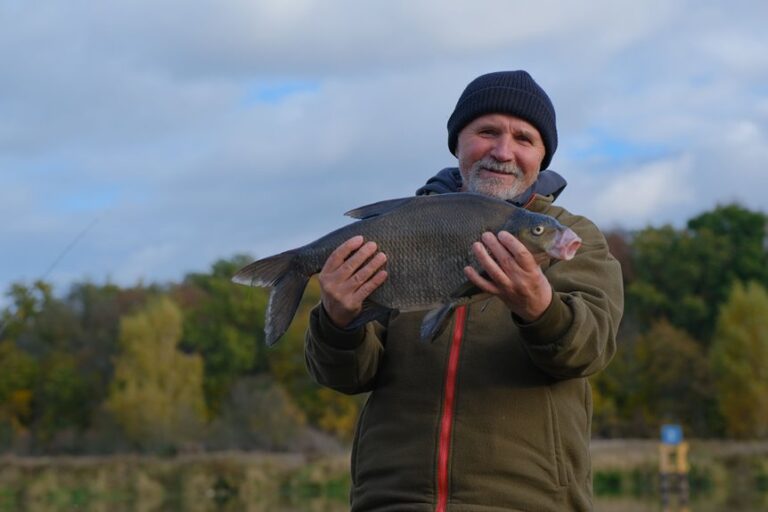


Fish move to deeper water for clear reasons: cooler temperatures reduce metabolic energy use, lower light cuts exposure to predators, and stable deep layers often hold more concentrated food. Oxygen levels and thermoclines shape where species can survive comfortably. Structural cover like drop-offs and submerged vegetation offers refuge and feeding opportunities. Seasonal changes and daytime light shifts push many species deeper at predictable times. Knowing these factors makes fish movement patterns easier to read and explains why anglers and biologists track depth closely.
Why Fish Go Deeper
Whenever water near the surface changes, fish often head deeper because the lower layers feel safer and steadier.
You’re not imagining this shift. Fish use deep water as a kind of shelter whenever life above gets messy.
They can find thermal refuges there, which help them stay comfortable and conserve energy.
Many species also make diel migrations, moving up and down with the day so they can feed, rest, and avoid stress.
As you consider it, this behavior makes sense. Fish aren’t hiding from you. They’re following conditions that support them better.
Should you watch closely, you’ll see a smart pattern, not random movement. Through heading deeper, fish protect themselves and keep their routine on track, together in changing waters.
Cooler Temperatures in Deeper Water
As you go deeper, the water usually gets cooler, and that drop in temperature can make a big difference for fish.
You’ll often see them seek out these cooler layers because they help their bodies work with less effort.
In cooler water, fish can save energy, which gives them a real edge whenever food is scarce or conditions feel tough.
Temperature Drops With Depth
As water gets deeper, it usually gets cooler, and fish notice that shift right away. You can envision the lake like layers in a blanket, where thermal stratification keeps warm water on top and colder water below. That change matters because many fish have limited cold tolerance, so each degree can shape how comfortable they feel.
| Depth zone | Temperature feel | Fish response |
|---|---|---|
| Surface | Warmest | Active |
| Midwater | Cooler | Steady |
| Deeper water | Coldest | Calm |
When you’re near the water, this concealed temperature pattern helps explain why fish seem to belong in certain places. They aren’t being picky for fun. They’re matching their bodies to the water around them, and that choice can make all the difference.
Fish Seek Cooler Layers
Once fish feel that cooler water below, several of them head downward because it helps them stay comfortable without using extra energy.
In layered lakes and oceans, you can see fish gathering in stratified habitats where warm water sits above colder water.
These deeper zones often act like thermal refuges, giving fish a place to rest whenever surface water turns too warm.
- You’ll notice fish staying closer to the cool edge.
- You can imagine deeper water as a quiet refuge.
- You might find different species sharing the same cool layer.
Whenever you’re near these waters, bear in mind that fish aren’t being stubborn.
They’re simply moving where they feel right, and that can help you understand their world a little better.
Energy Savings In Cool Water
Drifting into cooler water helps fish save energy because their bodies don’t have to work as hard in the lower temperatures. You can regard deep water as a quiet break for tired fish. As the water cools, a fish’s metabolic rate slows, so it burns less fuel just to stay active. That matters whenever warm surface water feels draining.
Many fish follow these thermal refuges to rest, feed, and recover with less strain. You’ll often see this shift whenever summer heat rises, because deep zones give them steadier conditions and a better chance to conserve strength. In that calm space, fish can keep moving without wasting energy, and that helps them stay comfortable, protected, and ready for whatever comes next.
Better Oxygen Levels Below the Surface
Breathing easier can be a big reason fish head deeper, because water near the surface doesn’t always hold enough oxygen for them. Whenever water stratification forms, the warm top layer can trap less oxygen than you’d expect, while cooler depths stay steadier.
That means you might find fish sliding downward where breathing feels simpler and safer for their bodies.
- Deeper water can mix better and refresh oxygen.
- Some layers create dissolved microzones that fish can use.
- Stable oxygen helps you remain in a spot longer.
How Fish Escape Predators at Depth
As you move to deeper water, you can see how the lower light makes it harder for predators to spot fish.
You also notice that rocks, ledges, and other dark hiding places give fish safe shelter. So at depth, fish can slip away more easily and feel a little less like they’re on display.
Depth Reduces Predator Sightlines
At greater depths, fish gain a simple but powerful advantage: fewer eyes can find them. You might envision the water as a dim curtain, and that’s exactly the point.
With reduced visibility, predators lose track more easily, and fish slip away with less effort. Their bodies create obscured silhouettes, so a hunter above or beside them sees only a faint form. That small change can save energy and lower stress.
- Your outline fades faster in dark water.
- A predator must guess more often.
- You stay harder to target, even in motion.
Shelter In Deep Water
Among rocks, ledges, and seaweed beds, deep water gives fish more than cover. You find a world with hiding places at every turn, and that comfort matters whenever danger circles above.
In this shelter, structure complexity creates tight gaps, shadowed corners, and quick escape routes. Because of that, fish can slip away fast and stay close to the bottom.
Refuge availability also grows whenever deep zones hold caves, drop-offs, and broken terrain. You can regard it like a crowded neighborhood where each fish gets a safe doorway.
Even in the event a predator follows, the maze slows it down and buys time. So deep water helps fish feel less exposed, and that extra safety can keep the whole group calmer.
Food Sources That Draw Fish Deeper
Down below the bright surface, food often pulls fish into deeper water, and that shift usually makes perfect sense. You’re really following the dinner table whenever you fish those layers.
As plankton blooms gather in cool, dim water, small prey drift in close, and bigger fish move in to feed. Then baitfish migrations stack up along ledges, drop-offs, and submerged humps, giving predators an easy route.
You can feel more confident whenever you watch for these signs:
- Faint sonar clouds can point to feeding schools.
- Moving bait often means larger fish aren’t far behind.
- Shaded structure can trap both prey and hunters.
Seasonal Changes That Push Fish Down
As the seasons change, you’ll notice fish start moving deeper whenever the water cools and their bodies need steadier conditions.
Shorter daylight hours also signal a shift, and that can nudge them down into deeper, calmer water.
Once you track these changes, you can better guess where fish will be and save yourself a few “all the fish left the party” moments.
Cooling Water Temperatures
As the initial cool nights settle in, fish feel that change fast, and they don’t just drift lower for no reason. You see them slide toward deeper water because cooler surface water can feel safer and steadier.
As thermocline shifts move with the season, fish often follow the most comfortable layer. Their bodies also react with metabolic slowdown, so they need less energy and chase fewer meals. That’s why the deep zone starts to matter.
- You’ll often find fish holding tighter there.
- You might notice more action near drop-offs.
- You can fish deeper and match their comfort zone.
When you understand this shift, you stop guessing and start fishing with them, not against them.
Shorter Daylight Hours
Shorter daylight hours often change fish behavior before you even notice the season turning. As daylight reduction sets in, fish feel it through their eyes and inner clocks. You can regard it like the lake’s quiet alarm bell.
Less light means less feeding near the surface, and that pushes many fish toward deeper, safer water. This shift also creates circadian disruption, so fish don’t move on the same schedule they used in summer.
Should you be fishing then, you’re not out of luck. You’re just meeting them where they feel comfortable. Look deeper, slow down, and stay patient. That’s how you stay in tune with the season and with the fish moving through it.
Why Fish Move Deeper at Night?
As night falls, many fish don’t just drift aimlessly, they head deeper because the water above them changes in ways that can feel unsafe.
You can envision this shift during moonlit migrations, whenever fish slide away from the surface and settle where they feel steadier.
Cooler layers can also support nocturnal foraging, so fish move down to stay close to their next meal.
Once darkness grows, they often feel less exposed, and that calm matters.
- You might notice stronger group behavior below the surface
- Deeper water can help fish rest with less pressure
- Moving down can also reduce surprise from predators
How Water Clarity Affects Fish Depth
Once water turns clear, fish often change depth because they can no longer hide as easily near the top. You’ll notice they slide deeper whenever sunlight sharpens their outline and their visual acuity makes danger easier to spot. Clear water can push them down fast, while algal blooms can soften light and let them stay shallower with more confidence. You’re not just watching fish react; you’re watching them choose comfort.
| Clarity | Fish depth |
|---|---|
| Muddy | Shallow |
| Slightly clear | Mid-depth |
| Very clear | Deeper |
| Algal blooms | Shallower |
| Bright sun | Deeper |
Whenever you read the water, you can predict where fish feel safest and join them there with less guesswork and more calm.
Deep Water as a Spawning Refuge
As fish start preparing to spawn, deep water often gives them the calm and cover they need to get the job done. You can regard these places as spawning sanctuaries, where fish stay together and guard their eggs with care.
In deeper zones, they find steadier conditions, fewer disturbances, and room to settle in as a group. That matters because your favorite species often needs a safe start for the next generation.
- You’ll see less crowding from shoreline traffic.
- You’ll notice better protection for eggs and nests.
- You’ll support larval survival when young fish hatch in safer water.
If fish choose these refuges, they increase the odds that their young can grow strong.
How Pressure and Light Affect Fish at Depth
Deep water changes the game for fish in ways you can’t see from the shore, and that shift starts with pressure and light. As you go deeper, pressure effects squeeze fish bodies and change how their swim bladders work, so they move with care. You can picture it like wearing a heavy backpack all day.
At the same time, light attenuation makes the water dim fast, so fish lose clear views of food, mates, and danger. That’s why deep zones feel quieter and safer. Fish often settle where these conditions fit their needs, and you can see how each layer shapes their behavior.
If pressure rises and light fades, fish don’t just survive. They adapt together, almost like neighbors sharing the same calm space.
Fish Species That Prefer Deep Water
Some fish just feel more at home in the dark, cool hush of deeper water, and that’s no accident. You’ll find deepwater regulars like bathydemersal species that live near the bottom, and mesopelagic migrants that rise and fall with the night. These fish fit their world well, so you can regard them as part of a tight-knit crew that knows the rules below.
- Cod and rockfish often settle into cooler, deeper zones.
- Lanternfish and other mesopelagic migrants move upward after sunset.
- Grenadiers and rattails stay deep and make the seafloor their neighborhood.
When you learn these groups, you can feel less lost and more connected to the water’s concealed layers. You’re not chasing mystery alone; you’re joining a habitat that these fish already call home.
How to Tell Fish Are Holding Deep
Whenever fish are holding deep, the water often gives you small clues before the fish ever show themselves. You can watch for soft ripples, tight bait clustering, and short, nervous finning patterns near drop-offs. Should the surface stays calm, check shaded pockets and ledges where movement feels faint but steady.
| Clue | What You Notice |
|---|---|
| Tight bait ball | Small fish bunch close |
| Slow swirl | Water turns without splash |
| Dim shadow | Shape hangs below light |
| Brief flick | A fin cuts deep water |
| Quiet edge | Life stays near cover |
Whenever you read these signs together, you feel less like you’re guessing and more like you’re part of the spot. Pay attention, stay patient, and trust the small changes.
How Deep Water Changes Feeding and Movement
Once you spot fish holding deep, the next thing to notice is how that depth changes their whole routine. You’re not just seeing a hiding place; you’re seeing a feeding zone that works differently. Light drops off, so fish rely more on vibration, scent, and sharp timing. That’s why prey recognition gets slower but more careful. They often save energy, then burst toward food only at the crucial moment.
- Nocturnal foraging can become stronger because darkness feels safer and calmer.
- Fish might move less during the day, then roam more after sunset.
- Deep water can make bait act smaller, so every strike counts.
Whenever you understand this pattern, you can feel more in tune with the fish you’re tracking.
Frequently Asked Questions
Do All Fish Go Deep for the Same Reasons?
No, you don’t; fish move deep for different reasons, like a mixed flock. You’ll see migration timing and predator avoidance shape each species’ choice, so your group can understand why they don’t all plunge together.
Can Fish Survive in Very Cold Deep Water?
Yes, you can find fish that survive in very cold deep water, but only provided they have strong cold tolerance and metabolic adaptations. You are not alone; many species thrive there by slowing energy use and coping with the chill.
Do Fish Move Deeper During Storms?
Yes, you’ll often see fish move deeper during storms, like neighbors ducking indoors before a thunderclap; they use pressure sensing for storm avoidance, and you’re right to notice they’re seeking calmer, safer company below.
What Tools Help Locate Fish in Deep Water?
You’ll find fish faster with sonar technology, fish finders, and thermal imaging. Use GPS maps too, and you’ll join the anglers who know where the bite lives, even in deep water.
Are Deep-Water Fish Harder to Catch?
Yes, deep water fish can be trickier, but you are not alone in chasing them. Like a secret club, they respond to smart bait selection and light attraction, so you will catch more with patience and good gear.